

What Pans Do Chefs Use: the Kitchen’S Secret Tools

As a chef’s best friend (aka their kitchen gear/kitchen’s secret tools), the pan lineup isn’t just random cookware.
It’s a tool belt that fixes problems before they happen and makes food sing.
Let’s cut to the chase: what pans do chefs actually use, and why do they keep reaching for them?
The go-to workhorses: stainless steel and carbon steel
If you’ve stood in a kitchen long enough, you’ve seen gleaming stainless steel pans doing the heavy lifting. Why so popular? They’re durable, non-reactive, and handle high heat like a champ.
But professional kitchens don’t stop there.
Carbon steel is the secret romance of many chefs.
It starts as a lightweight sheet, seasons like a cast iron, and gets sauces to cling with a little oil love.
It’s fast, reactive, and can take a scorching sear that makes steak crusts sing.
The trick is learning to care for it—seasoning, wiping, and re-seasoning after a swim in the sink.
Do you need the extra drama of seasoning every week? No.
But it’s worth it for that velvety nonstick patina when you’re cooking eggs or delicate fish.
Quick comparison:
– Stainless steel: durable, non-reactive, great for deglazing sauces, and you can throw it in the dishwasher (most of the time).
– Carbon steel: reactive in a good way, superb heat control, and you’ll end up with a natural patina that adds flavor over time.
Nonstick pans: when you actually need to slide, not scrape
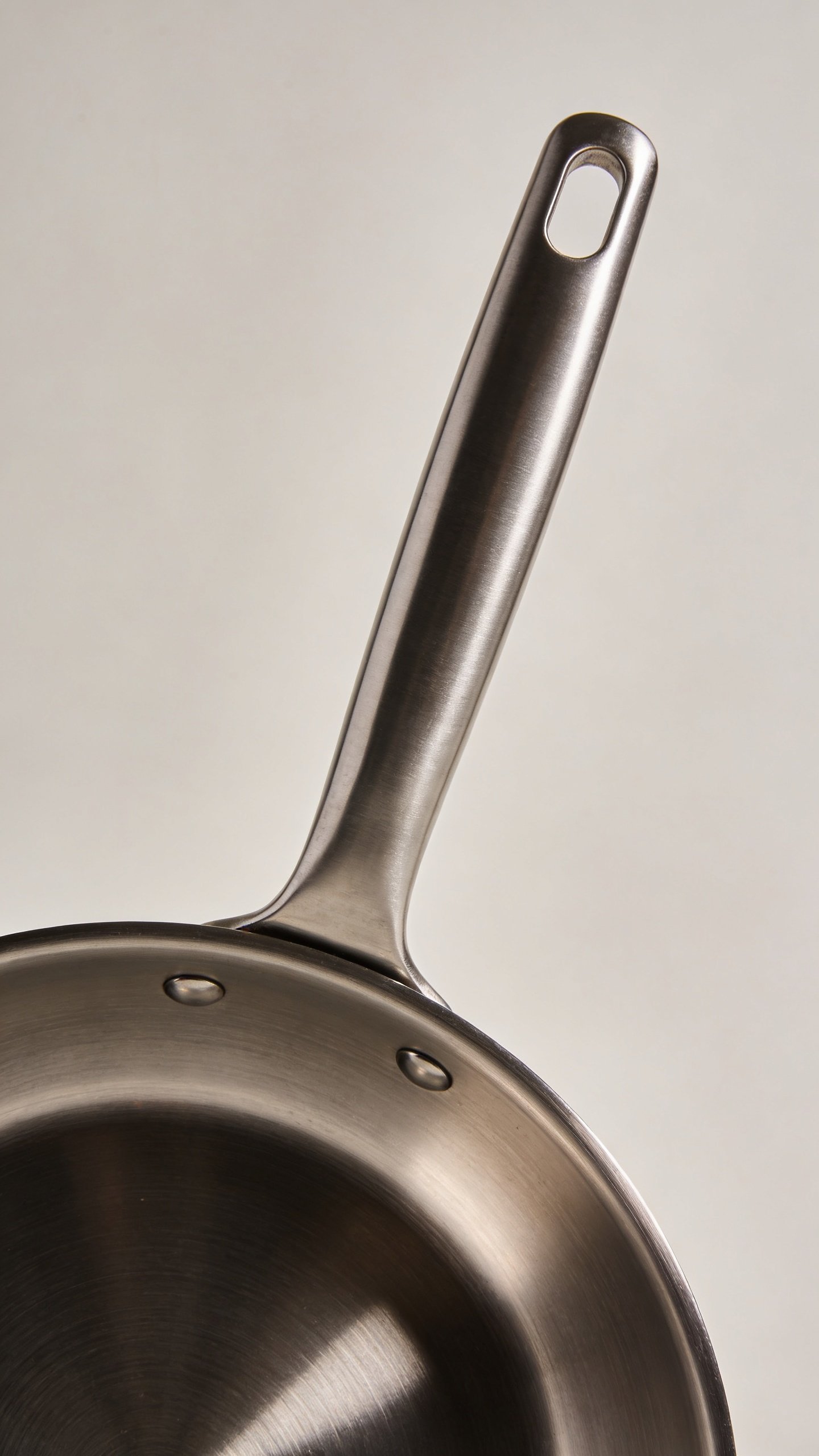
Nonstick pans aren’t just for pancakes and omelets—chefs use them for anything fragile or delicate where sticking would ruin the day.
The modern nonstick coatings are tougher than you think, but the game changes once you overheat them or scratch the surface.
Use cases:
– Eggs, fish, and thin sauces that deserve a gentle touch.
– Reducing sticking on delicate proteins where you’d rather flip with confidence than chase with a spatula.
Tip: reserve your nonstick for the tasks where you’d lose the pan’s soul if you burned the fond. FYI, avoid metal utensils in nonstick surfaces; you’ll thank yourself later.
Cast iron: oven-to-table drama with a rugged attitude
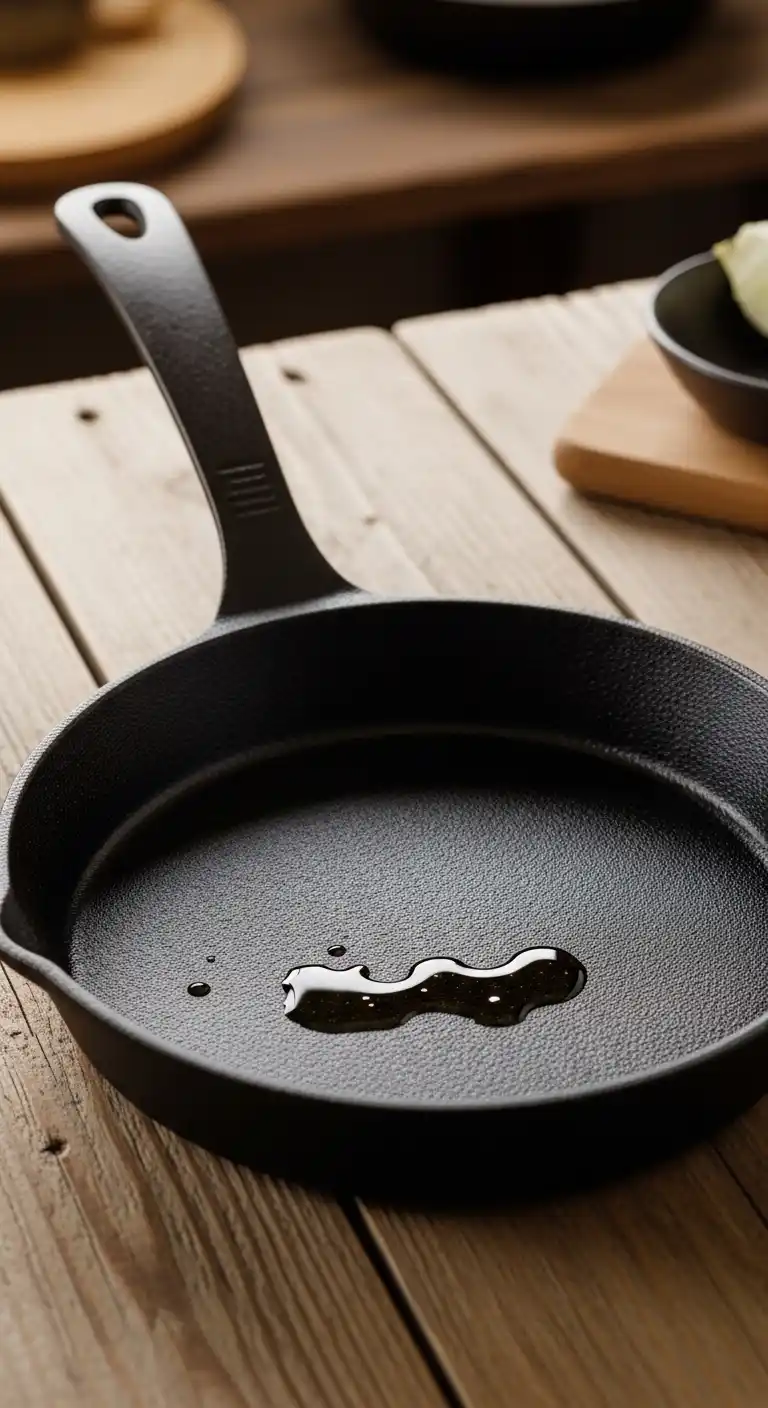
Cast iron isn’t just nostalgia—it’s a performance staple for chefs who want serious heat retention and that crusty, caramelized edge.
It’s heavy, sure, but it’s also incredibly versatile.
Why chefs love it:
– Oven finishing: sear on the stove, finish in the oven for even, controlled cooking.
– Durable searing: that iron pan builds a seasoning layer that improves with use.
– Flavor development: fond builds up in a way that’s almost magical for sauces and pan gravies.
Care notes:
– Avoid soap in most cases; a quick scrub and a light oiling keeps the patina happy.
– Dry thoroughly to prevent rust, then oil lightly for storage.
Specialty pans worth a flirt with the fire
Every kitchen has those “hard-to-reach” pans that do one thing so well you wonder how you cooked without them. Here are a few that often show up in pro lineups.
Wok and high-heat winners
A carbon steel wok or a heavy-gauge aluminum version handles sizzling stir-fries and smoky flavors with ease. The wide surface area, quick heat, and constant tossing make it the king of fast, high-velocity cooking.
Saute pans and rondeaux
For sauces, pan reduction, and weekly Sunday tomato magic, a deep sauté or a rondeau keeps liquid from splashing all over your shoes. The tall sides mean you can swirl, flambé, and reduce without losing the action in the kitchen theater.
Copper-lined magic (with caveats)
Copper heats up fast and responds like a sports car. Many chefs love copper-lined stainless or bare copper for precise temperature control—until it tarnishes and requires constant maintenance. If you’re not ready to polish regularly, copper might be more drama than you want.
Size, weight, and the right fit for your kitchen tempo
One of the most underrated factors in a chef’s pan choice is how it feels in the hand.
A pan can be the right tool, but if it weighs you down after a 12-hour shift, your food suffers too.
Guidelines:
– For tight spaces and quick moves: lighter carbon steel or small stainless pans.
– For big batches and heavy searing: larger cast iron or heavyweight stainless.
– For pantry efficiency: a well-curated set that covers your bases—one or two of each material plus a few specialty pans.
Quick setup idea:
– A 8- to 10-inch stainless skillet for quick eggs or sauté.
– A 12-inch carbon steel pan for searing and quick pan sauces.
– A 12-inch cast iron for steaks or finishing dishes in the oven.
– One deep sauté or rondeau for braises and big sauces.
Care and maintenance: keeping pans in rotation, not rotation into retirement
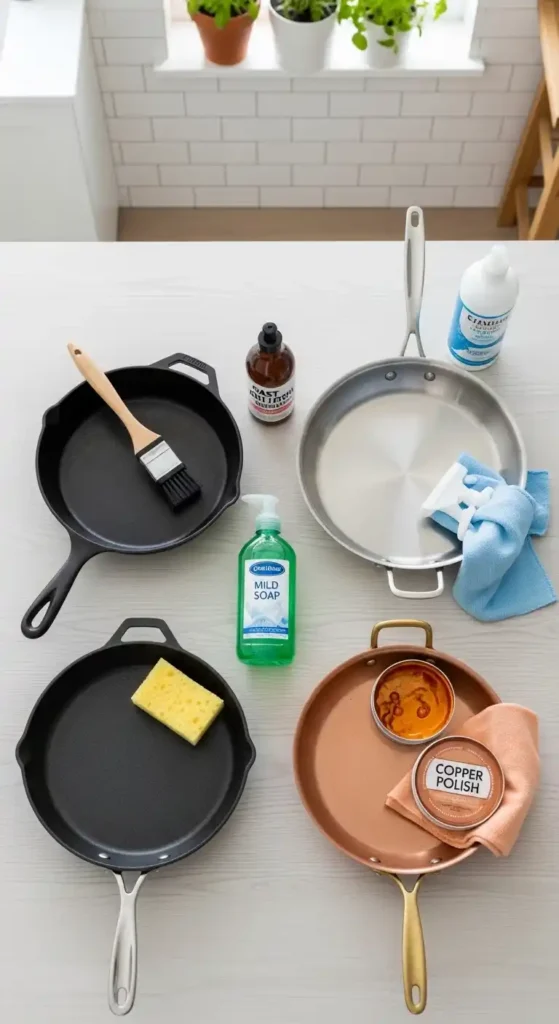
Pans don’t retire; they just earn a longer lease if you treat them right. The biggest offenders? Sticking, rust, and dull finishes from heat abuse.
Simple habits:
– Preheat properly, then add oil to coat the surface before you start cooking.
– Clean promptly. Quick rinse, mild soap if needed, dry thoroughly, and oil lightly.
– Re-season carbon steel and cast iron occasionally to keep that nonstick character and patina building.
Pro move: label your pans by material and purpose. It sounds goofy, but it prevents mix-ups when you’re juggling multiple tasks at once.
What about gadgets and ergonomics?
A pan is a tool, but the handle matters. A comfortable, heat-resistant handle saves you from burning yourself and from tiring out your wrist.
Some chefs love hollow or angled handles that stay cooler, while others choose riveted comfort that lasts.
– Jump to the practical: consider the handle length, balance, and compatibility with your stovetop.
– Avoid overly slick surfaces if you work with a lot of sauces; a little texture on the handle improves grip.
– Storage matters too: consider nesting or hanging options to keep your lineup accessible and safe.
Conclusion
If you’re aiming to cook like a pro, you don’t need a thousand pans.
You need the right pans that cover your main tasks and feel right in your hands.
Stainless for reliability, carbon steel for heat and speed, cast iron for massive flavors, and a few specialty buddies to handle the curveballs.
And yes, a good nonstick for delicate wins.
Build a small, thoughtful set, care for it, and your kitchen will run smoother, your sauces will gloss, and your eggs won’t audition for an omelet horror show.
FAQ
What is the best all-around pan for a home cook?
A stainless steel skillet paired with a carbon steel pan covers most bases. You get durability and no-reaction cooking with stainless, plus fast heating and great sear with carbon steel. Add a nonstick for eggs and delicate fish, and you’re set.
Do chefs actually seal copper pans with a lining?
Yes, many chefs use copper-lined stainless or copper for precise temperature control. The lining protects against copper’s reactivity and makes cleaning easier. It’s a love-hate relationship: copper looks gorgeous, but it requires more upkeep.
How important is seasoning when you cook?
Seasoning matters a lot for carbon steel and cast iron. It builds a natural nonstick surface, enhances flavor, and improves with use. It’s not a mystery ritual—just a little practice and regular maintenance.
Can I use metal utensils on nonstick pans?
Not ideal. Metal utensils can scratch the coating, shortening the pan’s life. Use wooden, silicone, or nylon tools, and you’ll preserve the surface for longer.
How do I know when a pan is the right size for a dish?
Think portion size and sauce volume. If your pan swallows your ingredients or you can’t fit a proper amount of liquid to deglaze, you’re in the wrong size. For most home cooks, 10-12 inches covers a wide range of tasks without crowding.
What’s the one piece of advice you’d give new cooks?
Master a small set first, learn how each pan behaves, and build your intuition. The right pan makes a hungry night feel like a confident kitchen win. And don’t fear the scrub brush—your future self will thank you.


