

Can You Put Glass in the Oven Explained in 60 Seconds

Can you put glass in the oven? This essential kitchen safety guide explains whether oven-safe glass cookware can withstand high temperatures, how to avoid glass shattering in the oven, the difference between tempered glass and regular glass, and expert tips for safely baking with glass dishes.
Have you ever looked at a glass dish, squinted at the oven, and wondered if this is a smart combo? Short answer: sometimes, yes.
But not all glass plays nicely with heat, and a little knowledge goes a long way.
Let’s break down what’s safe, what’s not, and how to cook with glass without turning your kitchen into a science experiment.
Can glass go in the oven? The quick reality check

The short version: many glass dishes are oven-safe, but not all. Some glass can handle heat like a champ; other types crack under pressure, heat shock, or sudden temperature changes.
If you’re unsure, check the label or manufacturer guidelines. And yes, there are glassware hacks that make life easier—so you don’t have to play “guess the bake.”
FYI, when in doubt, opt for oven-safe glass from reputable brands and avoid tiny print that says “for decorative use only.”
What makes glass oven-safe?
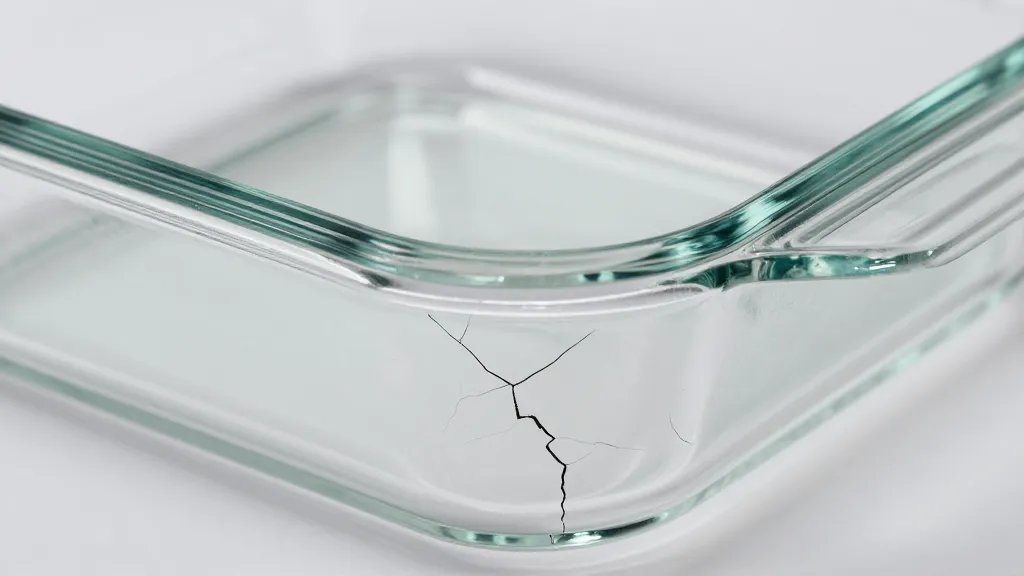
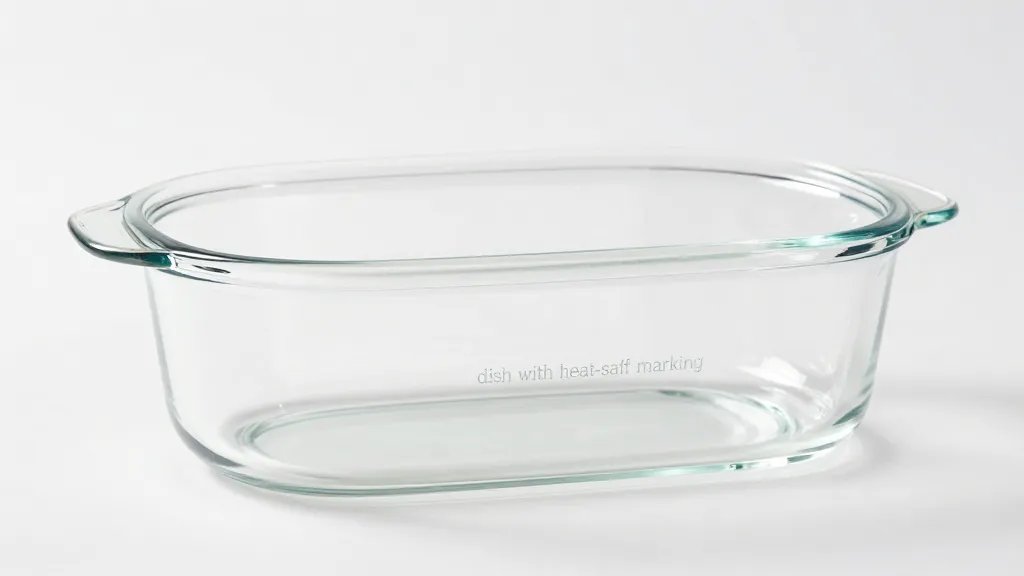
Let’s break down the factors that determine whether glass can handle the oven.
- Material type: Borosilicate and tempered glass are the heavy lifters. They’re built for hot suddenly, not just warm-slow. Pyrex is a classic example you’ve probably heard of.
- Manufacturing process: Some glass is treated to resist thermal shock. If a dish is marked “borosilicate” or “tempered,” you’re in safer territory.
- Thickness and shape: Thicker walls + flat bottoms tend to distribute heat more evenly. Deep casserole shapes can handle longer bake times but may heat unevenly if you use a faulty rack.
- Labels and ratings: Look for phrases like “oven-safe,” “Temperature safe up to X degrees,” or similar. If it doesn’t say anything, play it safe and don’t bake with it.
What happens if you get it wrong?
Spoiler: glass can crack, shatter, or pit your mood more than your dish. Here are the common culprits:
- Thermal shock: Moving from a hot oven to a cold counter or adding icy ingredients can stress the glass.
- Rapid temperature changes: Don’t go from oven to fridge or freezer, even if it’s tempting to stash leftovers.
- Overheating: If you bake at a higher temp than the glass is rated for, it loses its grip on safety and may crack.
- Impact stress: Dropping a glass dish or banging it against the rack can create microcracks that worsen with heat.
If you’re hearing the alarm bells, cool it down slowly, and don’t try to salvage a compromised dish. Replace it rather than risk a messy disaster.
Choosing the right glass for different cooking tasks
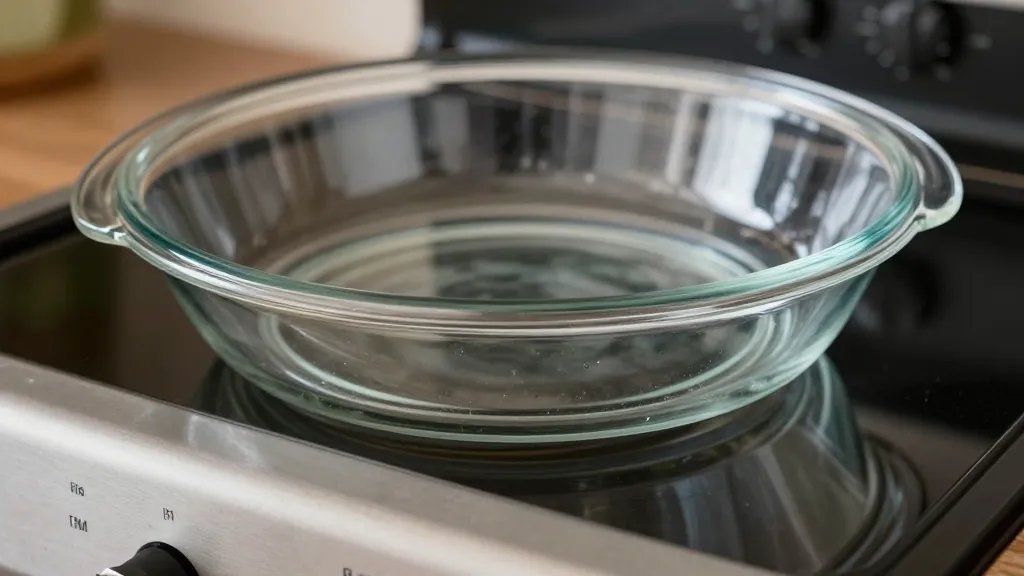
Not all oven-safe glass is created equal. Here’s a quick guide to common scenarios.
Baking casseroles and lasagnas
For long bake times, you want a sturdy, thick-walled dish. Borosilicate or tempered glass works well here. Preheat your oven and give the dish a gentle warm-up—don’t slam it into a blazing oven from the fridge.
Roasting vegetables or sheet-pan style meals
If you’re using a glass baking dish for roasted veggies, ensure it’s one piece with a flat base. Avoid metal racks in some glass dishes unless the manufacturer approves. This helps prevent hot spots and cracking when the heat rages.
Reheating leftovers
Glass is great for reheating in a 350–375°F range. Don’t reheat at too high a temp; let the dish warm gradually. If you’re using a glass container with a lid, remove the lid during reheating to vent steam and avoid pressure buildup.
Care and handling tips to keep your glass safe
A few practical habits save you from heartbreak and a big cleanup.
- Avoid sudden moves: Don’t transfer a hot dish directly onto a cold countertop. Place it on a dry, heat-safe surface first.
- Cool gradually: If a dish comes from the oven, let it cool a bit before washing. Sudden temperature changes can be brutal on glass.
- Hand-wash vs. dishwasher: Many oven-safe glass items hold up well in the dishwasher, but some lids or handles aren’t dishwasher-safe. Check the label.
- Use the right rack: If your oven has a high-density rack, position the glass dish in the middle to avoid hotspots.
Common myths busted
Let’s debunk a few things that drift around kitchen radios and forums.
Myth: Any glass is oven-safe if it’s labeled “glassware.”
Reality: “Glassware” is vague. Some glass is designed for serving only. Look for explicit oven-safe labeling or material specs like borosilicate or tempered glass.
Myth: You can quickly move a hot dish from oven to fridge to speed up cooling.
Reality: Don’t do this. Thermal shock can shatter the glass. Let it cool on a heat-safe surface at room temp before refrigerating.
Myth: Transparent means safe under heat.
Reality: Transparency doesn’t guarantee heat tolerance. Thickness and composition matter more than appearance.
Personal tips from a fellow glass-using enthusiast
I’ve burned a few batches of roasted veggies and learned a thing or two along the way. Here are some practical tips that actually work.
- Label your glassware with a marker if you’re not sure about the safe temps. A quick note can save a panic later.
- Don’t crowd the oven. Glass needs space to heat evenly; overcrowding can create hotspots that stress the glass.
- Start with a lower temp and give it time to heat evenly. If a recipe calls for 450°F and your dish isn’t rated for that, reduce the heat slightly and extend the cook time.
Conclusion: glass in the oven, with confidence
Yes, you can bake with glass—when you know what you’re using and respect its limits. Check the label, choose borosilicate or tempered glass for hotter, longer cooks, and avoid dramatic temperature swaps.
With a little caution and sensible steps, your glassware becomes your dependable kitchen sidekick rather than a dramatic diva in the oven.
FAQ
Is all Pyrex oven-safe?
Most Pyrex is designed for oven use, especially the newer borosilicate versions. Some older Pyrex glass can be more prone to thermal shock, so always verify the specific product’s heat tolerance and avoid sudden temperature changes.
Can glass bakeware go from fridge to oven?
Typically yes, but it’s safer to let it come closer to room temperature before hitting the oven. A cold dish in a hot oven can crack due to thermal shock. If you must bake from cold, preheat gradually and avoid extreme temperature jumps.
What temperature is too hot for glass?
It depends on the dish. Most oven-safe glass handles up to 450°F (232°C) or more, but always check the manufacturer’s guidelines. Soups and sauces can handle lower temps, while casseroles may require higher heat—just stay within the labeled range.
Can glass go under the broiler?
Some glassware is broiler-safe, but many aren’t. If you want broiled edges, confirm that your dish is labeled for broiler use. If in doubt, move to a metal pan for broiling to avoid shattering.
What should I do if my glass dish cracks?
Don’t touch it or try to clean it until it’s fully cooled. If there’s a crack, discard the dish and replace it. A crack can widen under heat, turning a quiet bake into a kitchen emergency—no drama you didn’t sign up for.
If you’ve got a favorite glass dish you swear by, share the story. Did you learn the hard way or did a label save you from a molten disaster? Either way, you’re not alone—glass is wonderfully versatile when used wisely, and a little knowledge goes a long way toward delicious, drama-free results.


