

Can You Make Cheesecake Without a Springform Pan: Easy, No‑Pan Hacks

If you’ve ever drooled over a creamy cheesecake but cringed at the sight of a springform pan, you’re not alone. Can you actually make cheesecake without springform pan?
Spoiler: yes, you can. And it’s not just a backup plan for when you forgot the pan—it’s a legit, tasty alternative with its own perks.
So grab your spatula and a goofy grin, and let’s dive into a world where fluffy cheese dreams don’t hinge on a latch.
Why a springform pan isn’t the only path to cheesecake glory
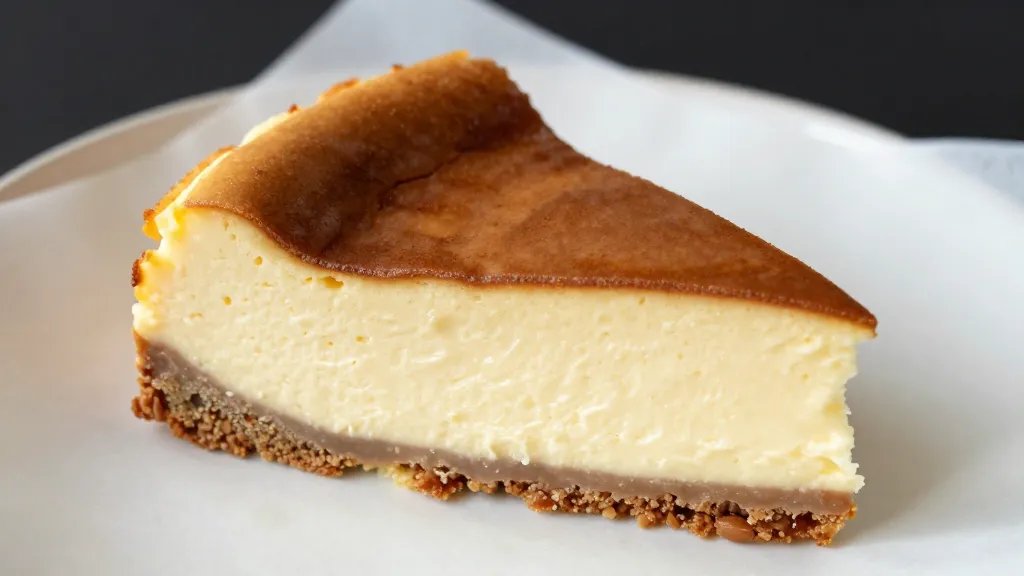
You’ve seen those gorgeous cheesecakes with perfectly clean edges. A springform pan helps achieve that, but it isn’t mandatory.
People bake cheesecakes in pie plates, cake pans, even muffin tins—each method brings its own vibe.
The key is understanding how to prevent cracks, keep the crust intact, and deliver that creamy center without the pan’s ring magic.
FYI, you’ll still want something that makes it easy to lift the cake out in one piece.
Methods that work: no springform needed
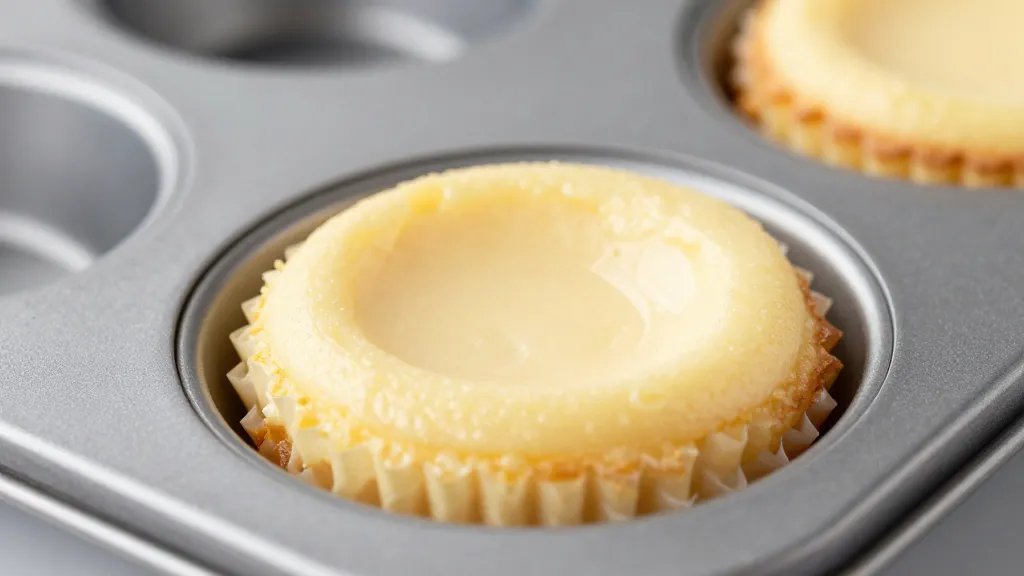
Here are a few practical routes. Pick the one that sounds like your kitchen vibe.
1) The classic pile-in-a-baking-dish approach
– Choose a deep, sturdy baking dish or cake pan, around 8–9 inches in diameter.
– Grease well and line with parchment for super easy release.
– Build up the crust on the bottom and sides if you like a sturdier edge.
– Bake as you would a standard cheesecake, but keep an eye on bake time since the dish can change heat distribution.
2) A crusty bottom surprise: crumb crust in a loaf pan
– Perfect for a sliceable, layer-cake-ish look without a ring.
– Use a regular loaf pan (or a shallow cake pan) and press your crust up the sides lightly for a built-in crust edge.
– This method shines for mini to medium-sized cheesecakes and makes slicing a breeze.
3) Muffin tin miracles for mini cheesecakes
– Bake in 6–12 small tins for cute, portion-controlled bites.
– Each mini cheesecake bakes faster, so watch for doneness.
– Edges stay tidy, and you don’t risk losing the whole thing if a single piece sticks.
What to watch out for (so cracks don’t crash the party)
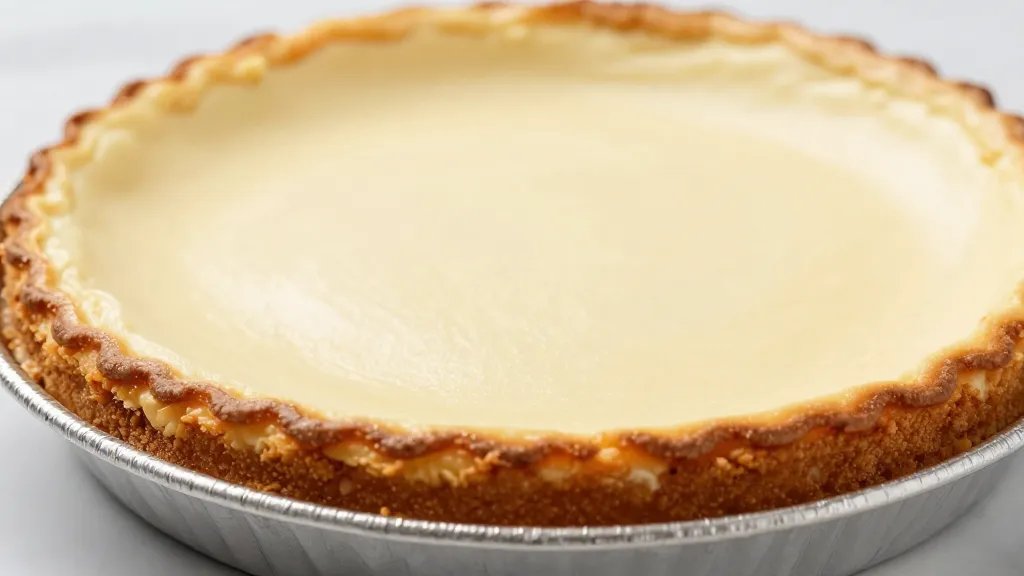
No springform? No problem. You just need to manage a few gotchas.
- Crack prevention: Bake in a water bath when possible, or place the pan in a larger roasting pan filled with hot water. The humidity keeps the surface gentle. If you skip the bath, keep oven temp moderate and don’t overmix the batter.
- Crust integrity: A thicker crust on the bottom helps prevent the cheesecake from sliding and cracking during cooling. If you’re using a non-traditional pan, press the crust firmly and chill before filling.
- Release strategy: Line with parchment and grease well. Run a thin knife around the edges after cooling to help release, then lift with the parchment “handles.”
- Cooling curve: Don’t rush the cool-down. Crack-prone cheesecakes hate sudden temperature shifts. Let it come to room temp, then chill in the fridge for at least 4 hours, ideally overnight.
Crucial swaps: ingredients and technique for non-springform cheesecakes
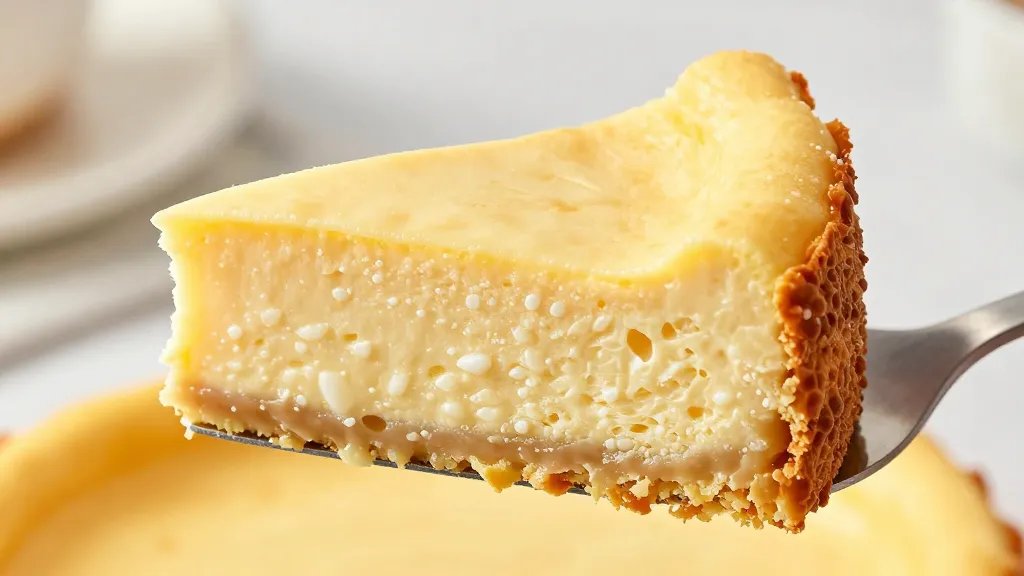
Your batter isn’t a big diva here; it just needs a little different staging.
- Crust ratio: go a touch thicker on the bottom to anchor the center and help slicing. If you’re using a loaf or cake pan, think 1 to 1.5 cups of crumbs per base depending on size.
- Cheese blend: Cream cheese is still king, but you can add a touch of sour cream or yogurt for extra creaminess. A pinch of cornstarch or flour helps stabilize—don’t overdo it, or you’ll mute the fluff.
- Flavor boosters: Vanilla, lemon zest, a splash of almond extract—these carry through just fine without the ring to frame them.
- Texture tricks: For a silkier center, mix on medium speed just until smooth. Over-mixing can trap air and lead to cracks, especially without a springform’s gentle containment.
How to finish and serve without drama
The finish line is all about presentation and ease.
- Release like a pro: Bake in a pan you can lift straight from the oven to a cooling rack, then reframe with parchment handles to lift later. If you’re using a loaf or cake pan, run a knife around the edge after cooling and invert onto a plate—the crust sides will face up for a different look.
- Texture for days: The fridge is your best friend here. Chill at least 4 hours; overnight is even better for clean slices. If you’re in a rush, a quick freeze for 20–30 minutes can help firm up before slicing.
- Serving style: Slice with a warm knife (wipe it between cuts) and adorn with fresh berries, fruit compote, or a drizzle of caramel. No ring? No problem—your plate becomes the stage, not the pan.
Audience favorites: what bakers actually love about non-springform cheesecakes
People have preferences, and these approaches tend to win hearts.
Comfort and accessibility
– No special equipment? No problem. You can use a dish you already own and still get a decadent cheesecake.
– Great for beginners who want a reliable, forgiving method.
Portion control and sharing
– Mini cheesecakes in a muffin tin shine at parties and brunches.
– A loaf or pie pan yields a slice-and-serve vibe that feels fancy without the fuss.
Texture twists
– The different pan shapes can subtly change the bite. A deeper dish can yield a creamier center, while a flatter dish gives a quicker, slightly denser finish. It’s like choosing between cloud or pudding—both dreamy.
Common mistakes that sneak in (and how to dodge them)
Steer clear of these to keep your cheesecake flawless.
- Rolling your eyes at bake time—bake them slow and steady. Higher heat equals more cracks when you’re pan-hopping.
- Forgetting the parchment. It’s the unsung hero that saves you from a kitchen panic when you flip or lift.
- Underbaking or overbaking. Use a toothpick for center jiggle: just a little wobbly is perfect, then it sets as it cools.
- Overmixing. You want creamy, not air biscuits. Mix until just smooth.
Conclusion
So yes, you can absolutely bake a killer cheesecake without a springform pan. The crust can be sturdy, the center velvety, and the release accessible.
It’s all about choosing the right vessel, minding the bake and cooling, and playing a little with presentation.
If you’re curious, try a simple crust-first loaf pan cheesecake this weekend. If it’s your first time, you’ll probably say, “That wasn’t so scary after all.” IMO, you’ll be hooked.
Frequently asked questions
Can you really bake a cheesecake without a springform pan?
Yes. Many people bake in pie plates, cake pans, loaf pans, or muffin tins. It takes a bit more planning for release and evenness, but it works beautifully.
Will the edges look like those fancy springform cheesecakes?
Your edges might be less perfectly crisp-free, but they can still look delicious with a good crust and careful release. A thicker crust helps, and you can slice and plate with flair to hide minor imperfections.
Is a water bath essential when not using a springform pan?
Not always, but a water bath dramatically reduces cracking by maintaining moisture. If you skip it, bake at a lower temp and slow pace, and keep cooling gradual.
How do I slice and serve a cheesecake baked in a regular pan?
Chill fully, run a knife around the edge, and use a sharp, hot knife for clean cuts. A warm knife helps too if you want ultra-smooth slices. Wipe between cuts for neat portions.
Are mini cheesecakes in muffin tins different from a full-size cheesecake?
They bake faster, cool quickly, and are perfect for sharing. The texture is similar, but you’ll notice a slightly tighter crumb due to the smaller volume.
What’s the best pan to start with if I’m avoiding a springform?
A sturdy, deep baking dish or a cake pan around 8–9 inches works well. Line with parchment and grease generously, and consider a thick crust for stability.
If you want, tell me what you’ve got in your kitchen (pan types, oven quirks), and I’ll help you map out a precise, no-springform cheesecake plan with exact times and ingredient ratios. Happy baking, my friend—your next cheesecakey victory is just a pan away.


