

How Many Quarts Is a 9×13 Pan? Quick Bake Truth

If you’ve ever stared at a 9×13 pan and wondered just how many quarts you’re dealing with, you’re not alone.
It’s one of those kitchen trivia questions that actually matters when you’re planning a bake-off or trying to scale a recipe.
Let’s cut to the chase: a 9×13 pan typically holds about 3 quarts of batter, mixture, or sauce.
Simple as that, right? Not so fast—there are a few nuances worth knowing so you don’t spill, overflow, or undercook your masterpiece.
How the pan size translates to quarts
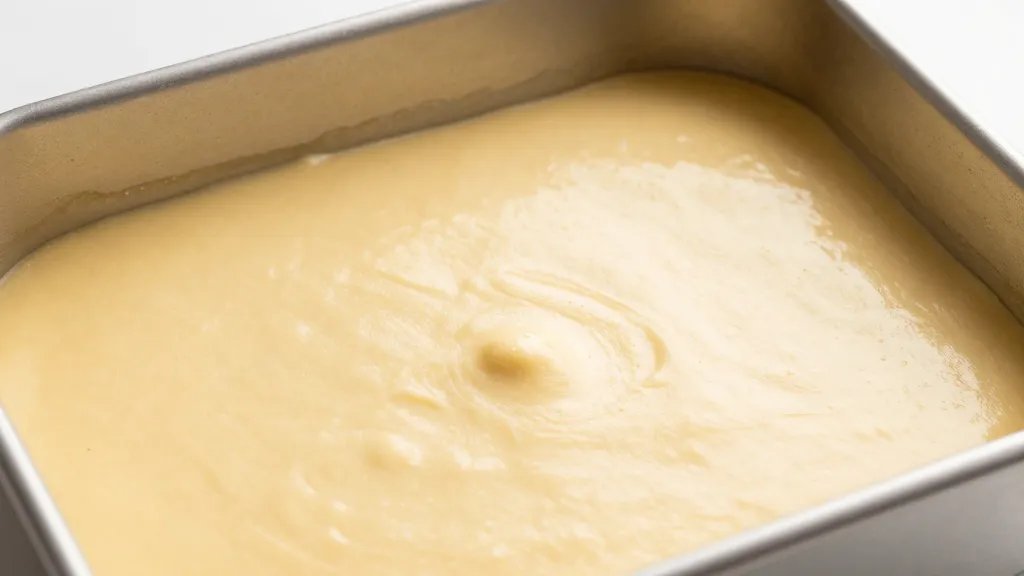
Let’s translate inches into liquid familiarity. A standard 9×13 pan is about 9 inches by 13 inches and usually 2 inches deep.
If you’re filling it to the rim, you’re looking at roughly 3 quarts of volume.
If you’re mixing something thicker or chunkier, you’ll fill it a bit lower. If you’re pouring a runnier batter, you might get away with a little more, but you’ll still hover around that 3-quart mark.
Tip: Don’t rely on “eye-balling” alone. When you’re testing a recipe, it helps to measure precisely. Your cake won’t bake evenly if the batter sits 1 inch deep in some spots and 3 inches in others.
Why knowing the quarts matters in the kitchen
There’s a practical reason we care about pan capacity. It affects bake time, even heat distribution, and whether you end up with a volcano of batter or a dry disaster.
– Bake time consistency: If your pan is underfilled, your bake time shifts. If it’s overfilled, you risk overflow and undercooked centers.
– Even cooking: A balanced batter depth helps heat move through the pan evenly, so you don’t get a sunken middle or a crusty edge.
– Portion control: If you’re feeding a crowd, knowing the quart capacity helps you estimate servings without guessing.
FYI: If you bake for a party and want to slice neatly, aiming for a 2/3 to 3/4 full pan is a sweet spot for many cake batters and casseroles.
Common recipes and how they fit
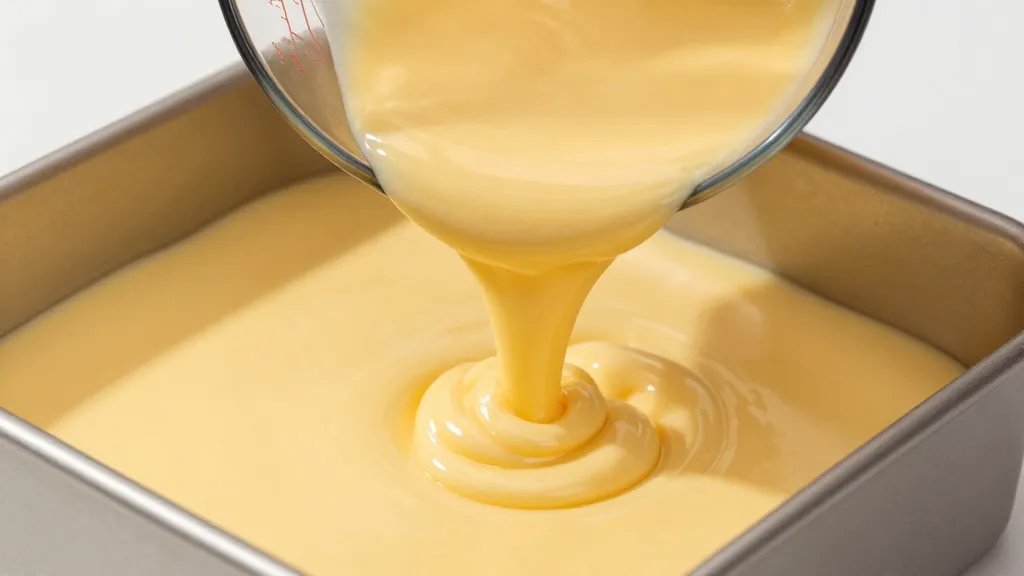
Think about what you typically bake in a 9×13 pan. Cakes, brownies, casseroles, sheets of lasagna—each uses the pan a bit differently.
– Cake batters: Most cake recipes that fill a 9×13 pan are designed to reach about 2 inches deep. That’s roughly 2 to 2.5 quarts depending on the recipe and frosting.
– Brownies: Brownie batter is dense, so you’ll usually fill the pan about halfway to two-thirds full. That lands you around 2 quarts, give or take.
– Casseroles: If you’re layering noodles, veggies, and sauce, you’ll likely top out around 2.5 to 3 quarts, depending on what you’re cooking.
– Dump-and-bake sheets: A “pan-sized” casserole that calls for a liquidy sauce might creep toward 3 quarts.
How to measure practically at home
You don’t need a fancy graduated cylinder to figure this out. A few simple tricks will save you from measuring mishaps.
– Use a liquid measuring cup for the batter, then pour into the pan and see where you land.
– If you don’t want to clean a separate cup, pour into the pan gradually and note the level as you go.
– For thicker mixtures (like brownie batter), fill to a mark you know you’ll reach with the recipe’s stated batter depth.
Adjusting recipes when you only have a 9×13 pan
Sometimes you’ll want to scale a recipe up or down and you only have that pan. Here’s a quick guide.
– If a recipe is meant for a 9×13 pan, stick to it. It’s likely designed for roughly 3 quarts and a certain bake time.
– If you’re halving a recipe, don’t just halve the batter. Halve ingredients and consider reducing bake time slightly.
– If you’re doubling, you’ll probably fill the pan near the top. You’ll need to monitor bake time closely to avoid overbaking the edges while the center finishes.
Hidden pitfalls and how to avoid them
Every pan has its quirks. Here are a few sneaky pitfalls and how to dodge them.
– Overflow risk: Batter that’s too thin and a pan that’s too full = messy oven cleanup.
– Dry edges: If your batter is thick or your focus is crispy edges, you might end up with a dry perimeter.
– Uneven cooking: A pan with warped bottoms or inconsistent depth bakes unevenly.
– Material matters: Metal pans heat differently from glass. Glass pans can take longer to brown and may need a lower temp.
Deep dive: material matters
– Metal pans heat quickly and can create a nice crust. They’re the go-to for most 9×13 recipes.
– Glass pans distribute heat more evenly but can cause darker edges and longer bake times.
– Dark, nonstick coatings brown more aggressively, which affects both bake time and texture. Keep an eye on color cues, not just time.
– If you’re adapting a recipe from a glass pan to metal, reduce the oven temp by about 25 degrees F and watch bake times.
Conclusion: quick recap
So, how many quarts is a 9×13 pan? Roughly 3 quarts when filled to a typical baking depth. Use that as your baseline for most cakes, casseroles, and sheet-pan wonders.
Adjust up or down based on what you’re making and how full you want the pan to be.
And yes, a little planning goes a long way—your oven will thank you, and so will your guests.
FAQ
How do I know if my 9×13 pan is actually 3 quarts full?
A good rule of thumb is to aim for about two-thirds to three-quarters full for batters that rise (cakes, quick breads). For dense casseroles, you can go closer to the full line, but watch for overflow. If you want a precise measure, weigh the batter and compare to recipes’ volume guidance.
Can I use a 9×13 pan for something that’s supposed to be in a 10×15 pan?
Usually yes, but you’ll need to adjust bake time and monitor doneness closely. A 10×15 holds more volume, so moving to a 9×13 will create a thicker slab and bake differently. Expect a bit longer bake time and check with a toothpick or thermometer.
What if my batter is runny and I only have a 9×13 pan?
Pour slowly and consider chilling the batter for a moment if possible. If overflow is a worry, place the pan on a parchment-lined sheet to catch drips. You can also rotate the pan halfway through baking for evenness.
Does pan depth affect quarts, or is it just diameter?
Depth absolutely matters. A deeper pan (2 inches) holds more liquid than a shallow pan with the same footprint. If your pan isn’t a standard 2 inches deep, you’ll need to estimate based on actual depth and adjust accordingly.
What’s the best way to store leftovers from a 9×13 pan?
Let the dish cool, then cover or wrap to keep moisture in. Sliced cakes and casseroles store well in the fridge for a few days. For longer storage, freeze in portions and reheat as needed.
Any quick rule-of-thumb for converting recipes to a 9×13 pan?
Multiply or divide the batter in roughly two-thirds to three-quarters increments for depth, then adjust bake time by about 5-10 minutes (start checking earlier). Use the pan’s depth as your guide for how full to fill it.


