

Made In vs All-Clad: Which Cookware Is Better in 2026?

Compare Made In vs All-Clad cookware in this in-depth guide. Discover differences in performance, durability, design, and price to choose the best cookware for your kitchen.
When comparing premium cookware brands like Made In and All-Clad, home cooks and professional chefs alike often ask which delivers better performance, durability, and value for money.
In this detailed comparison, we’ll explore everything you need to know—from stainless steel construction and heat distribution to price, design, and long-term reliability.
Whether you’re upgrading your kitchen with high-quality cookware or deciding between Made In cookware and All-Clad stainless steel pans, this guide will help you choose the best option for your cooking needs.
What “Made in” actually means for cookware
If you’ve seen “Made in France” or “Made in USA” on a pan, you’re not just reading a label—you’re reading a promise. Made in cookware brands tend to spotlight country of origin as a badge of craftsmanship, tradition, and the materials they use.
– It’s often about manufacturing location rather than the exact material mix.
– It can imply a consistent production process and sourcing standards, depending on the brand.
– The price range varies, but you’ll sometimes find boutique brands with a strong story behind the origin.
But don’t assume origin = top-tier performance. Those labels can be marketing magic too. FYI, some makers import cores or components and assemble locally, which still proudly checks the “Made in” box.
All-Clad: the brand that became a verb
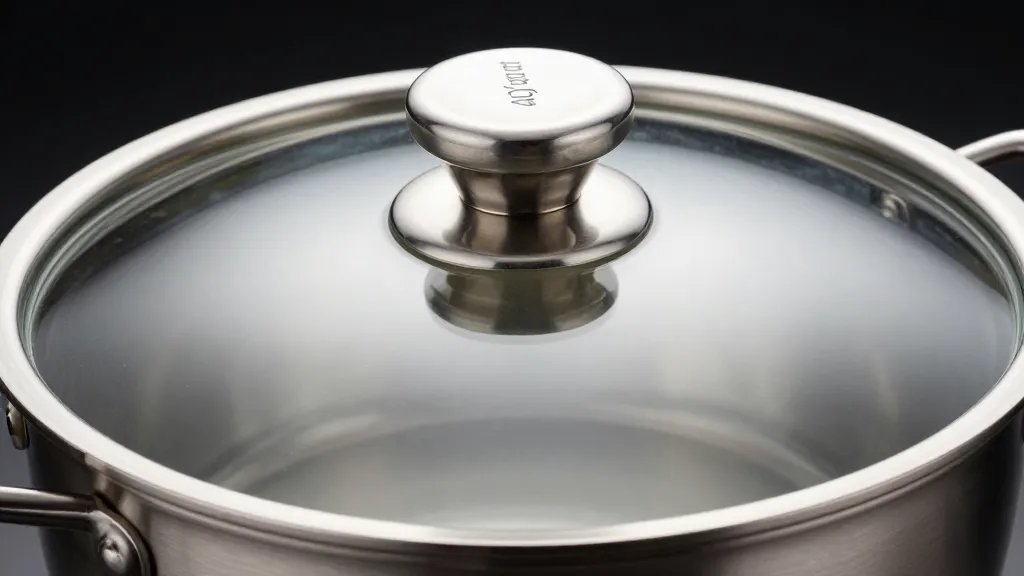
All-Clad is essentially the term you drop when you want your cookware to sound elite. The brand got famous by bringing bonded metals together—think aluminum cores sandwiched between stainless steel layers.
– The hallmark: superb heat distribution and durability.
– Their flagship is a stainless-on-stainless or stainless-on-aluminum construction with multiple layers.
– The vibe is premium, but with a price tag that says “you’re serious about cooking.”
All-Clad isn’t the only company doing bonded metal, but they popularized it to a whole generation of home chefs. It’s the “I mean business, even if I’m sauteing onions” vibe.
Bonded vs. single-ply: what’s actually in the pan?
This is the heart of the debate. Bonded (or multilayer) pans like All-Clad bring metals with different properties together to get the best of both worlds.
– Bonded: An inner core (often aluminum or copper) for quick, even heat; outer stainless steel for durability and ease of cleaning.
– Single-ply: One material, usually stainless steel. Very robust, easy to clean, but heat distribution isn’t as dramatic as bonded pans.
– Induction compatibility: Stainless steel dishes typically work well on induction; aluminum by itself usually does not, unless bonded to steel.
Want the quick verdict? If you cook a lot with sauces, pan sauces, or require precise heat control, bonded pans shine. If you’re boiling water, simmering grains, or you just want something sturdy and affordable, a good single-ply stainless can be a smarter pick.
Durability, warranty, and real-world use
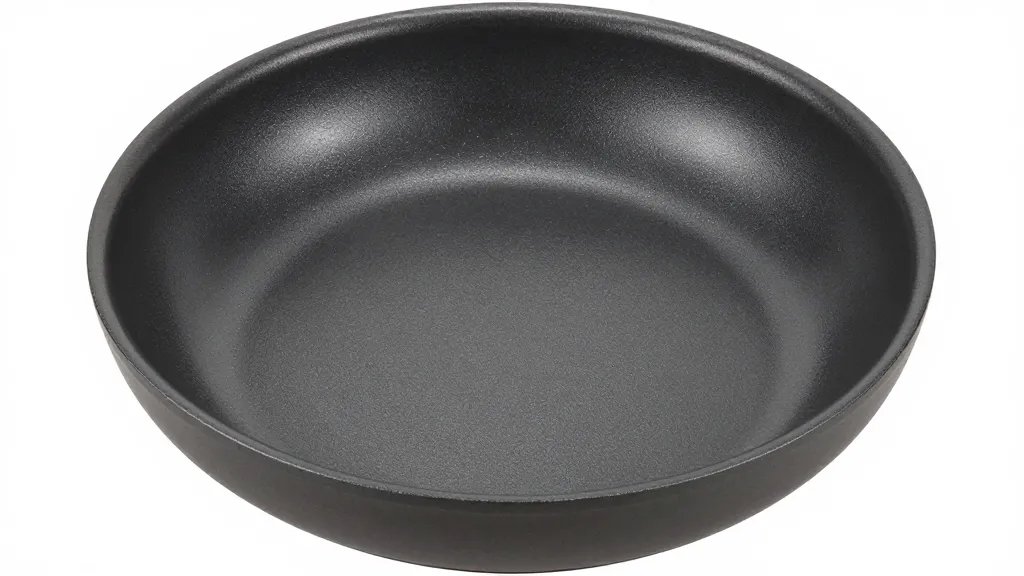
Quality cookware lasts. Or at least it should if you treat it right. Here’s how to think about durability and the brand promise.
– All-Clad: solid warranties, and the brand’s reputation for longevity is part of the package.
– Made in: depends on the brand and line. Some offer generous warranties; others mix-and-match components that affect longevity.
– Use case matters: dishwasher abuse, metal utensils, and overheating can shorten life for any pan.
Do you want something that survives a kitchen accident and keeps performing? Look for a robust build (thick walls, tight-fitting lids) and a warranty that actually covers common mishaps, not just cosmetic flaws.
Performance notes: heat, sear, and sauce work
Let’s get practical. How do these pans actually perform when you’re cooking?
– Heat up time: Bonded pans heat more uniformly and tend to hold heat longer. You’ll notice fewer hotspots.
– Searing: Stainless surfaces give you that nice crust, especially with a proper preheat. Bonded pans help by distributing heat evenly under the surface.
– Saucing: If you’re reducing sauces, the even heat of bonded pans helps prevent scorching and ensures glossy results.
– Cleaning: Stainless interior with a smooth surface over a bonded base cleans up nicely, but you’ll still want to avoid super-stubborn spots with a quick soak.
Optional subtype: if you want to get into the nerdy details, check for aluminum cores between stainless sheets and the number of layers (5-ply, 7-ply, etc.).
More layers = generally better heat distribution, but diminishing returns creep in past a certain point.
Style, weight, and daily practicality
Beyond tech specs, you’ll live with these pans day in, day out. Let’s talk feel.
– Weight: All-Clad’s bonded sets can be hefty. If you’re not into lifting heavy gear, you’ll want to test the weight in-store or look for lighter variants.
– Aesthetics: Stainless steel with mirror polish looks fancy on the stove, but it shows fingerprints and grease like a reality show contestant. Some people love the look; others prefer a brushed finish.
– Handles and lids: Pay attention to riveted handles and snug lids. They matter more than you’d think for daily use and safety.
– Maintenance: Stainless is forgiving, but it still needs care. The higher-end feel often comes with the expectation of more meticulous cleaning and seasoning (where applicable).
Price vs. value: where does the magic lie?
Yes, we need money talk. If you want peak performance in every scenario, you’ll probably pay more. But there’s nuance.
– All-Clad: You’re paying for a durable, reputable name with proven performance. Expect higher initial cost, solid resale value, and peace of mind.
– Made in: Depending on the exact line, you might land an excellent value with solid performance and innovative construction. Some brands under the Made in banner deliver high value without breaking the bank.
– Budget options: You’ll find stainless steel pans that work great for beginners or casual cooks, but you may trade heat consistency, longevity, or warranty coverage.
In short: if you cook daily, invest in something reliable. If you cook occasionally, cheaper options can absolutely do the job.
Subsection: care tips to extend life
Because maintenance matters more than most people admit.
Hand washing vs. machine washing
– Most high-end pans survive the dishwasher, but hand washing extends the life of the finish and the rivets.
– Dry promptly to prevent water spots or corrosion.
Preheating and oiling
– Preheat on medium heat and test with a drop of water (water should dance and vaporize quickly).
– Use a light coat of oil for sticking foods, especially if you’re not using a nonstick surface.
Storage and stacking
– Use soft separators or cloths between pans to avoid scratching. If you stack, keep lids separate or place a soft barrier.
Conclusion: choosing your path without the drama
If you want something you can rely on, All-Clad’s bonded steel-and-aluminum constructions deliver proven performance and a premium feel.
If you crave smart design, value, and a brand that emphasizes craftsmanship with a modern twist, Made in options can be a fantastic fit.
There’s no universal “best.” It’s about your cooking style, budget, and how you value longevity vs. initial excitement.
So, what’s your kitchen mission? Quick weeknight dinners, or slow-cooked sauces that beg for a crust? If you’re torn, remember this: a good pan should make cooking feel effortless, not like wrestling a bear.
Pick what makes you smile when you reach for the pan, and you’ll actually cook more often.
FAQ
Is All-Clad worth the extra money?
All-Clad offers durable construction, strong warranties, and consistent performance. If you value reliability and a long lifespan, the investment pays off over time. If you’re new to cooking or on a tight budget, you can still get great results with other brands or lines.
Are Made in pans as good as All-Clad?
Made in brands span a range of quality. Some lines match the performance of popular bonded systems, while others are excellent value with solid builds. It comes down to the specific line, material stack, and how you’ll use it. FYI, you don’t have to pick one; you can mix and match based on task.
Do bonded pans heat better than single-ply?
Usually, yes. Bonded pans distribute heat more evenly and respond faster to temperature changes. If you’re searing or making delicate sauces, that even heat matters. If you’re reheating leftovers, single-ply can perform just fine.
Can I use metal utensils on these pans?
Most stainless and bonded pans tolerate metal utensils, but you’ll want to avoid aggressively scraping the surface. Caring for the finish and not scratching the interior is a good habit. Use wooden or silicone tools if you’re unsure.
What should I consider if I’m shopping on a budget?
Look for a solid stainless core, adequate layer count, and a reputable warranty. Don’t chase the brand name alone; read reviews about heat distribution, handle quality, and longevity. A well-made budget-friendly pan will still deliver great cooking results.


