

How to Prepare a Cake Pan for Perfect Cakes

Learn how to prepare a cake pan for perfect cakes with this step-by-step guide, including expert tips on greasing, lining, and preventing sticking for flawless baking results every time.
You’ve got a cake to bake, but first you’ve gotta talk to your pan.
It’s not just metal and a nonstick dream—it’s the stage where your cake will rise, puff, and pretend to be a fancy dessert.
Let’s get your pan prepped, so your cake doesn’t stick around the bake and crash the party.
Why the Pan Prep Matters
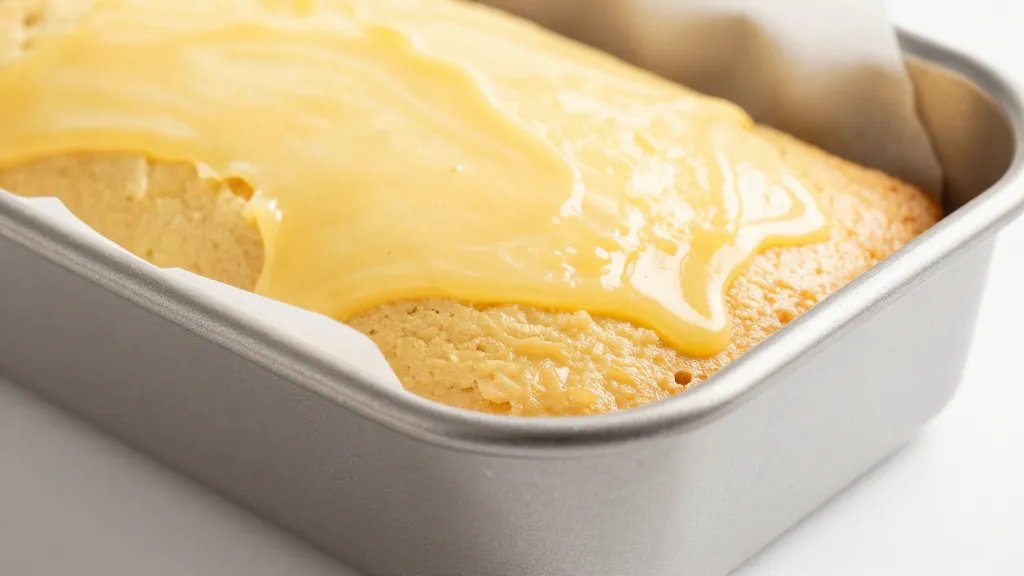
Your cake and your pan have a love-hate relationship. If you skip this step, you’ll fight with sticky edges, uneven domes, and the ever-dour crumb stuck to the bottom.
Prep sets the scene: the batter releases cleanly, the rise is even, and you don’t hear the sighs of despair from your oven.
FYI, a little prep saves you a lot of scrubbing later.
Choosing the Right Pan for Your Cake
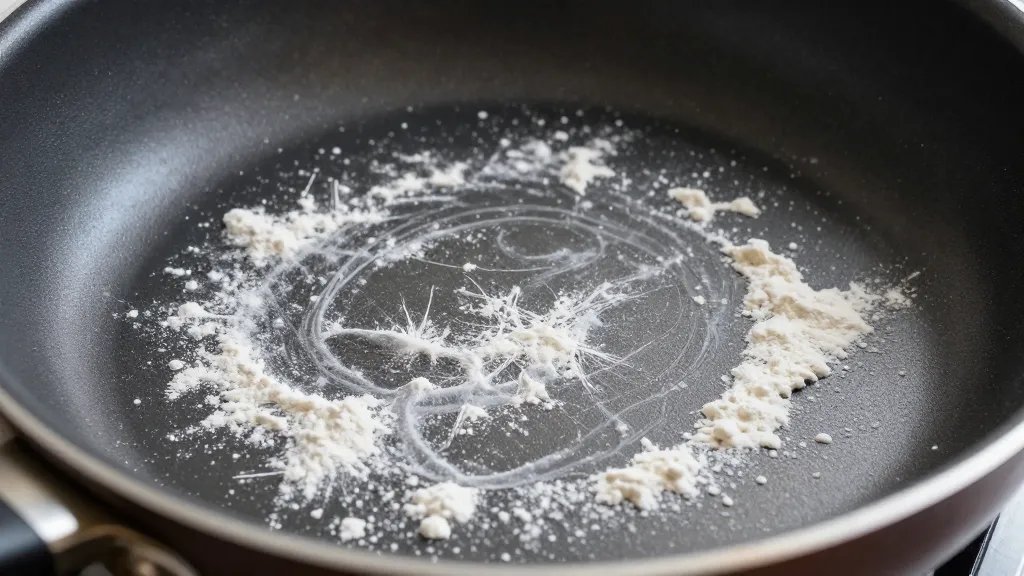
– Consider the bake, not the look. Different cakes need different pans.
– Round, square, and loaf pans all behave differently in heat.
– Nonstick is convenient, but you can still prepped it like crazy.
Internal Clues: What Your Cake Needs
– Dense cakes (pound, loaf) benefit from sturdy, straight-walled pans.
– Light, airy cakes (angel food, chiffon) need lightly seasoned or uncoated surfaces to help release.
– Layer cakes usually require a round or square 8-9 inch pan with even edges.
Basic Pan Preparation: The Simple Route
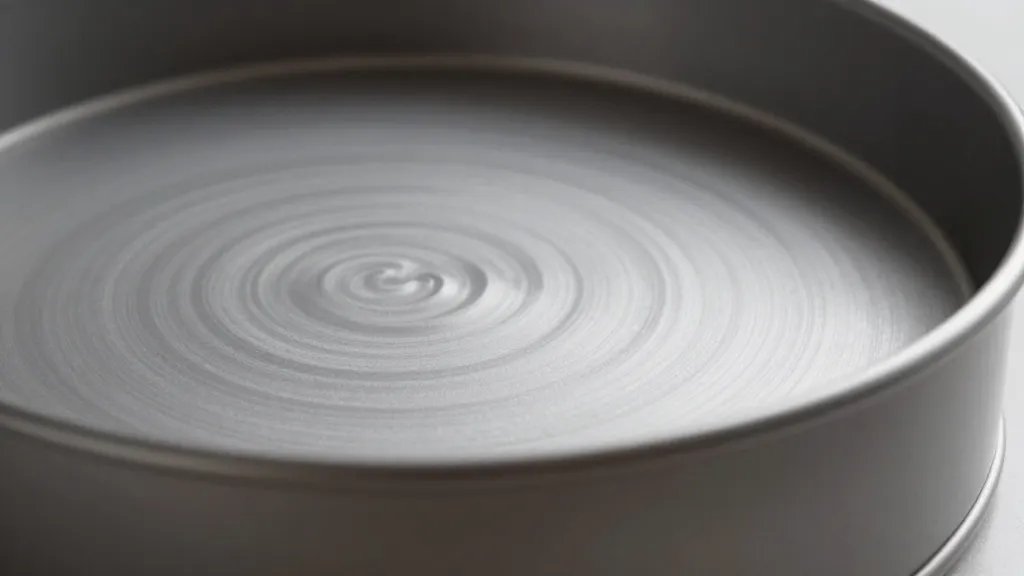
– Lightly grease the pan with butter or oil, making sure every nook is coated.
– Dust with flour for a dry, floury finish that nudges the batter away as it bakes.
– Tap out the excess flour and wipe the surface clean if needed.
Alternative: Use a Spray That Actually Works
– For quick prep, use a baking spray that includes flour. It’s a one-and-done option.
– If you’re using parchment, lay a circle of parchment on the bottom and grease the sides.
When to Reach for Parchment Paper
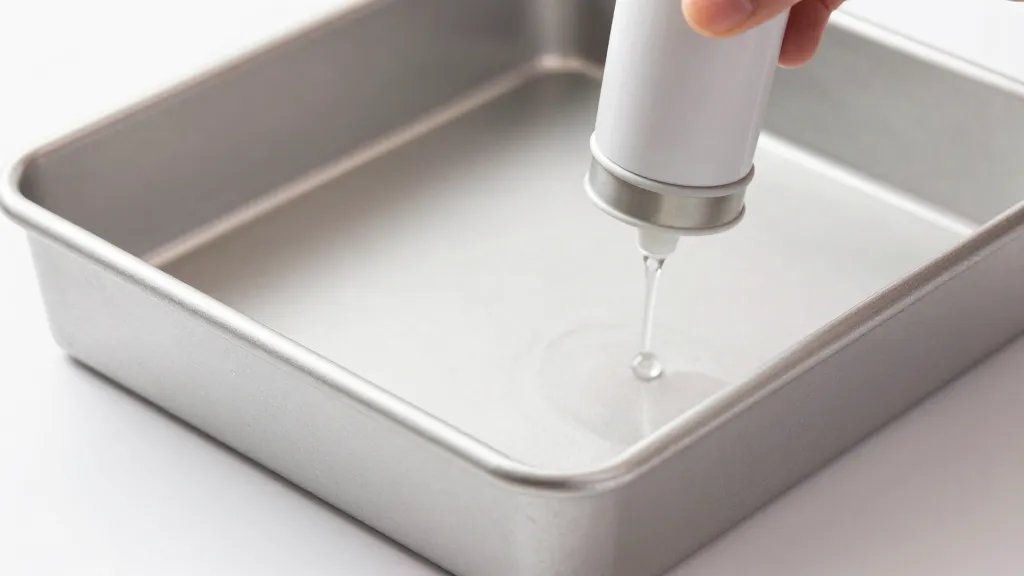
Parchment is your cake’s best friend when you want pristine release. It’s especially handy for delicate batters, gingerbread, or anything that might cling to the pan like a clingy ex.
How to Cut and Fit Parchment Like a Pro
– Trace the pan’s bottom on parchment, then cut a circle precisely.
– For square/rectangular pans, cut a sheet to fit the bottom and one for the sides if needed.
– Lightly grease the parchment so it sticks to the pan’s surface and doesn’t slide.
Line, Then Prep: The Double-Protection Method
Line the bottom with parchment, grease the sides, and dust with flour. This two-layer approach keeps your cake intact and gives you a clean release every time. It’s like wearing a belt and suspenders for your bake.
Edge Cases: Nonstick Pans and Silicone
– Nonstick pans still benefit from a light coat of fat to ensure smooth release.
– Silicone molds are famously forgiving, but you still should grease lightly and dust if you’re not using parchment.
Troubleshooting: Common Pan Prep Fails
– Fail: Cake sticks to the pan.
– Fix: Add parchment and ensure you’ve greased thoroughly. Don’t skip the flour dusting step.
– Fail: Uneven rise or domed tops.
– Fix: Check pan size matches the recipe. An overfilled pan or wrong bake temp can lead to a dome.
– Fail: Soggy bottom.
– Fix: Preheat properly and ensure your batter isn’t too wet. Give the pan a good pre-bake burnish: a quick grease and dust.
Extra Tips for Specific Cake Types
– Angel food cake: Use a clean, ungreased tube pan with no fat on the sides. It climbs because of egg whites, not slick sides.
– Bundt cakes: Generously grease every nook of the ridges. Dusting with flour can be tricky in the molds’ grooves—don’t skip it.
– Cupcake liners: If you’re baking cupcakes instead of a full cake, liners negate the pan prep entirely for the cups, but you still want a light spray between batter and cup.
Putting It All Together: A Quick Prep Checklist
- Choose the right pan for your cake type.
- Line with parchment if using delicate batters or if sticking is likely.
- Grease the pan thoroughly on all surfaces that will touch batter.
- Dust with flour (or use a flour-based spray) and tap out excess.
- Double-check heat and oven settings before you pour in the batter.
Conclusion
Pan prep is the quiet hero of baking. It doesn’t shout, but it saves your cake from sticking, breaking, and dramatic plate-assembly drama. Do the simple steps, and you’ll enjoy clean releases, even rises, and fewer tears over a clean pan. You got this.
FAQ
How early should I prepare the pan before baking?
You can prep the pan right before you mix your batter or while your oven preheats. Either way, it should be ready to go the moment you pour the batter in. Don’t wait until the batter is already in the pan—that’s a recipe for chaos.
Can I skip parchment if I’m using a high-quality nonstick pan?
Even with nonstick, a light coating of grease and a dusting of flour helps prevent sticking and gives you an easier release. If you’re in a hurry, spray with a flour-containing baking spray and skip parchment, but don’t skip the slick layer entirely.
What if my cake sticks despite pan prep?
Let it cool for a minute and then run a knife around the edge to loosen. If it’s still stubborn, gently pat the pan with a damp towel to help release the edges. For next time, consider using parchment or increasing the greasing step slightly.
Is parchment paper always necessary for chocolate cakes?
No, but it’s often wise. Chocolate batters tend to stick a bit more, especially if they’re dense. Parchment ensures clean release and makes cleanup a breeze.
Do different pans require different prep methods?
Yes. Loaf pans, Bundt pans, round pans, and square pans each interact with heat and batter differently. Adjust greasing and lining accordingly, and when in doubt, lean on parchment for a safety net.
What’s the best tip for quick pan prep?
Use a flour-based spray and line only if needed. It’s the fastest route that still yields reliable release. FYI, a quick tap and shake to evenly distribute the dusting helps too.


