

What Is a Nonreactive Pan and Why It Matters in Cooking

You’ve probably seen “nonreactive pan” tossed around in kitchen chatter and wondered what the hype is. Spoiler: it’s not a magic frying pan from a sci-fi kitchen.
It’s a specific kind of cookware that behaves very differently from reactive pans, and knowing the difference can save you a lot of frustration (and scrubbing).
What does “nonreactive” even mean in the kitchen?
Let’s start there, and then we’ll dive into why it matters, how to use it, and what to look for when you’re shopping.
What makes a pan nonreactive, anyway?
Nonreactive means the pan won’t chemically react with acidic or alkaline foods. Think lemon juice, tomatoes, wine, vinegar, or even long simmering sauces.
A reactive pan can dull flavors, cause discoloration, or add metallic tang to your food. No one wants a side of metal taste with their lasagna, right?
In practical terms, nonreactive pans are usually lined with materials that resist corrosion and don’t shed into your meal. Stainless steel and enamel-coated pans are the most common examples.
An unlined reactive metal, like plain aluminum, copper, or cast iron (when not seasoned properly for certain foods), can react with acidic ingredients. It’s not a disaster, but it’s not ideal for everyday cooking.
Common nonreactive options and how they behave
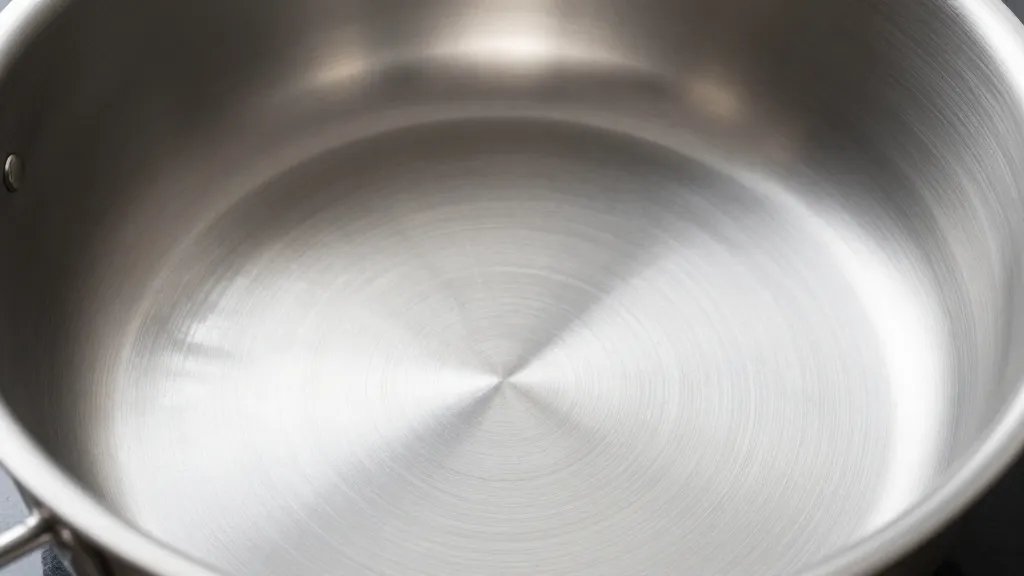
There are a few stalwarts in the nonreactive world. Here’s the quick tour so you know what you’re getting.
- Stainless steel with a protective lining or bonded layers. Durable, versatile, and relatively easy to clean. Some stainless steel pans are actually aluminum cores wrapped in stainless to balance heat and reaction resistance.
- Enamel-coated cast iron. Beautiful and forgiving. The enamel keeps the iron from meeting your tomato sauce, while still giving you great heat retention.
- Ceramic-coated pans offer a slick nonstick surface without relying on traditional nonstick polymers. They’re nice for low-fat cooking, but handle with care—they can chip if you’re not gentle.
- Titanium-reinforced coatings pair lightweight feel with nonreactive surfaces. They’re fabulous for everyday sautéing if you’re not a metal-scraper enthusiast.
- Hard-anodized aluminum that’s been treated to be nonreactive and tough. Heat distribution is solid, and you won’t taste aluminum ad nauseam.
Why nonreactive matters when you cook
Here’s the practical why: flavor, color, and safety. Reactive pans can impart metallic or sour notes to delicate dishes.
Ever notice your tomato sauce tasting oddly “tinny” in a reactive pan? That’s the reaction in action.
– Flavor integrity: Nonreactive surfaces preserve the intended taste.
– Color preservation: You’re less likely to see weird discolorations in sauces and gravies.
– Food safety: Some metals can leach into foods in trace amounts, especially with acidic ingredients and longer cooking times. Not a catastrophe, but why push your luck?
– Maintenance ease: Many nonreactive pans resist staining and musty odors better than reactive metals.
How to use a nonreactive pan like a pro
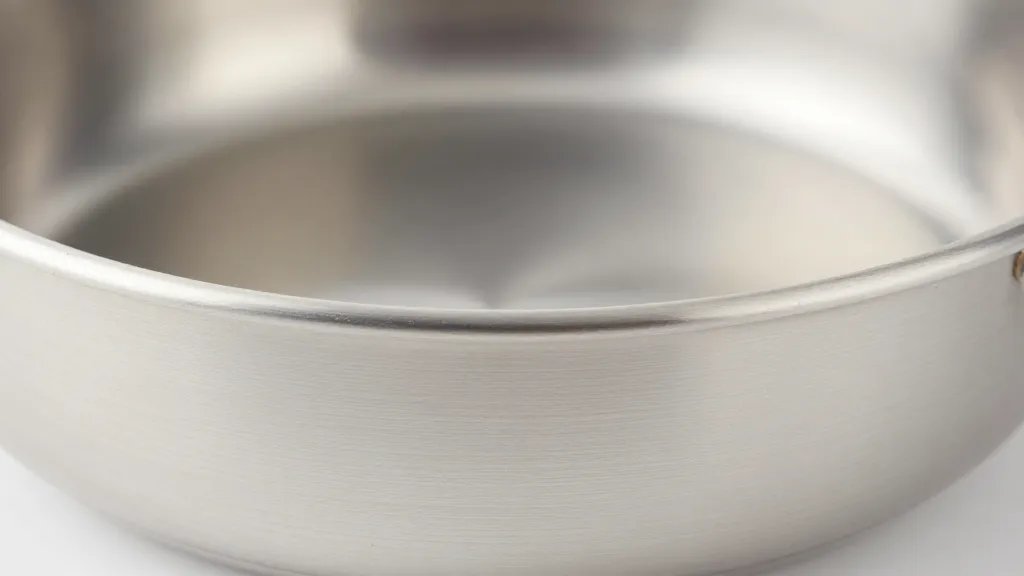
Put the right foods in the right pans, and you’ll thank yourself later.
- Preheat properly. Give the pan a minute or two to warm up on medium heat before adding oil or food. This helps prevent hot spots and sticking.
- Oil wisely. Use a little fat to create a slick surface, especially with stainless or ceramic coatings. If you’re sautéing, don’t drown the pan in oil—just a thin sheen.
- Watch acid and temperature. If you’re reducing wine or citrus, a nonreactive pan keeps flavors clean. Don’t crank the heat to max unless you’re searing, then you’re fine to go a bit hotter, but avoid scorching.
- Cleaning loves gentle care. Let the pan cool, then soak gently. Avoid abrasive scrubs on coated surfaces; you’ll thank me later.
Common pitfalls to avoid
No pan is perfect, but a few missteps can ruin your nonreactive investment.
- Don’t use highly abrasive tools. Metal spatulas are fine on some stainless surfaces, but on ceramic coatings or enamel, they’ll scratch.
- Avoid sudden temperature shifts. Placing a hot pan into cold water can warp or crack enamel and coatings. Patience, friend.
- Skip dishwasher chaos. Some nonreactive coatings aren’t dishwasher friendly. Hand wash when in doubt to preserve longevity.
- Don’t ignore manufacturer notes. Some nonreactive coatings have quirks—seasoning, if applicable, or specific heat limits. Read the label, please.
Spotlight on heat distribution
Nonreactive materials can have different heat behaviors. Stainless steel pans with an aluminum or copper core heat more evenly than plain stainless.
This means fewer hot spots and more predictable browning. If you love perfectly even searing on veggie medleys, a good multi-layer stainless pan is worth it.
What to buy if you’re building a kitchen arsenal
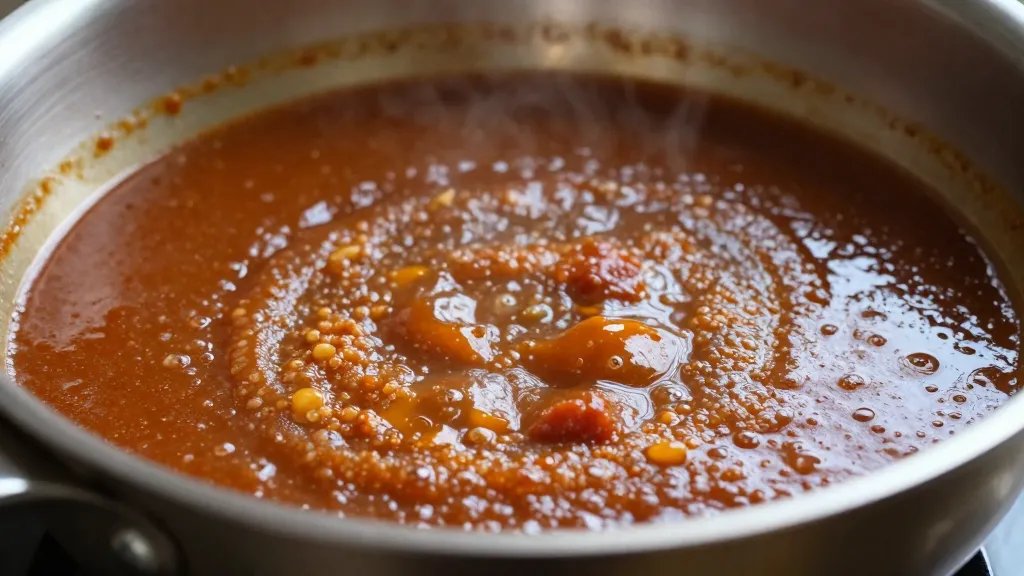
If you’re piecing together a set, here’s a practical starter guide that won’t break the bank or your enthusiasm.
- One versatile stainless steel sauté pan with a mid-sized capacity and a sturdy lid. This is your go-to for sauces, sautéing, and one-pan meals.
- Enamel-coated cast iron a favorite for braises and high-heat searing that still stays nonreactive with tomatoes and wine.
- Nonstick options with nonreactive coatings for eggs and delicate fish—but reserve these for tasks that truly benefit from easy release.
Size and shape considerations
– For daily cooking, a 10–12 inch skillet or sauté pan is a sweet spot. It handles a couple of servings without feeling cramped.
– For sauces or larger batches, a 3–4 quart pan gives you room to reduce without splatter everywhere.
– If you braise or do a lot of one-pot meals, a deeper pot in enamel or stainless is your best friend.
Care and longevity: keeping nonreactive pans happy
Treat your nonreactive pans right and they’ll repay you with years of faithful cooking.
- Seasoning isn’t universal, but when it exists, follow the brand’s recipe. Some enamel coatings don’t need it, others do a light oiling.
- Cook with moderate heat. Nonreactive surfaces don’t automatically tolerate high heat forever; they just heat more evenly and hold up well when you stick to sensible temps.
- Store properly. Stack with care or use a protective layer to avoid scratches on coated surfaces.
Debunking myths about nonreactive cookware
– Myth: Nonreactive means “no flavor.” Reality: It means you won’t introduce unwanted metallic flavors from the pan itself. Your flavors stay true to the ingredients.
– Myth: All nonreactive pans are expensive. Reality: You can find great value options; you don’t have to buy the priciest set to start.
– Myth: Nonreactive means heavy and unwieldy. Reality: There are light, easy-to-handle options, especially in aluminum-core stainless and ceramic coatings.
Conclusion
If you’re serious about not letting your cookware influence your food, a nonreactive pan is a smart anchor in the kitchen.
It protects flavor, keeps colors honest, and reduces the drama of cooking acidic sauces.
FYI, it also demystifies a lot of classic recipes that rely on bright, clean-tasting ingredients.
So yes, the right nonreactive pan can be your secret weapon for weeknight wins and Sunday sauces alike.
FAQ
What exactly counts as nonreactive cookware?
Nonreactive cookware includes pans whose interior surfaces don’t react chemically with acidic or alkaline foods. Common examples are stainless steel (often with an aluminum or copper core), enamel-coated cast iron, ceramic-coated cookware, and hard-anodized aluminum. These surfaces don’t leach metals into your food and don’t corrode when exposed to acidic ingredients.
Can I still use metal utensils on nonreactive pans?
It depends on the coating. Stainless steel and hard-anodized pans tolerate metal utensils better, but enamel and ceramic coatings can scratch if you’re not careful. When in doubt, use wooden or silicone tools for coated surfaces to keep them pristine.
Are nonreactive pans dishwasher-safe?
Many are, but some coatings aren’t dishwasher-friendly. If you’re unsure, hand wash to preserve the coating and extend the pan’s life. Always check the manufacturer’s care instructions.
Which nonreactive pan is best for beginners?
A mid-sized stainless steel pan with a solid core (often labeled as “tri-ply” or “multi-layer”) is a great starter because it’s versatile, durable, and forgiving. Add an enamel-coated cast iron piece later for braises and countertop-friendly heat retention.
Do nonreactive pans affect flavor in non-acidic dishes?
For the most part, nonreactive pans won’t alter the taste of non-acidic dishes. You’ll notice flavor changes primarily from ingredients, seasoning, and cooking technique, not from the pan itself.
Is copper nonreactive?
Copper is reactive, so copper pans aren’t ideal for acidic foods unless they’re lined with a nonreactive metal like tin or stainless. If you see “copper core” pans, they’re typically lined to maintain nonreactivity while offering great heat distribution.


