

Jelly Roll Pan for the Busy Kitchen, Savior You Need

I won’t beat around the bush: a jelly roll pan is one of the unsung heroes in a busy kitchen. It’s not a fancy gadget, but it saves you from cracked nerves and half-baked pastries.
If you’ve ever wondered what the heck a jelly roll pan actually does, you’ve landed in the right place.
What exactly is a jelly roll pan?
Think of a jelly roll pan as a shallow, wide baking sheet with high, straight sides. It’s basically a flatter cousin of a brownie pan, designed for thin, even layers.
The sides keep batter from oozing over the edge, and the shallow depth means you get a quick, consistent bake.
FYI, you’ll see this pan pop up in recipes for jelly rolls, Swiss rolls, cakes rolled with filling, and even sheet pan cookies.
Why it’s different from other pans
- Depth matters. A typical jelly roll pan is about 1 inch high, give or take. That shallow depth is what makes it easy to roll up a cake without tearing.
- Even exposure. The wide, flat surface bakes in a hurry, so you get a uniform color and texture on top and bottom.
- Limited edge for cleanup. The straight sides help you grab the sheet without crumbling the edges of your cake when you flip or roll.
- Compared to a standard baking sheet (no rims), a jelly roll pan won’t keep batter from spilling if you’re not careful.
- Compared to a cake pan with tall sides, this pan stays out of the way when you’re rolling your cake around a filling.
Materials and what to look for
- Material: Aluminum is common because it heats evenly and cools quickly. Cast iron exists too, but you’ll rarely see it for this use. Aluminum with a nonstick coating is popular for easy release.
- Coating: Nonstick helps with cakes and cookies, but you’ll want to grease anyway to be safe. If you’re avoiding coatings, look for uncoated aluminum and plan on oiling or flouring.
- Size: The classic jelly roll pan is about 15 x 10 inches, but you’ll see 17 x 11 or 12 x 17 variants. Pick a size that matches your typical oven and your recipe’s dimensions.
- Rim height: 1 inch is standard. Higher rims can trap steam and affect browning—good for some recipes, not so much for others.
Bonus tip: check the corners
Rounded corners can help with release, but some bakeware has sharp, square corners that can make rolling trickier. If you’re new to jelly roll magic, look for a pan with slightly rounded corners to avoid tearing your cake on the way out.
What you can cook and bake in it
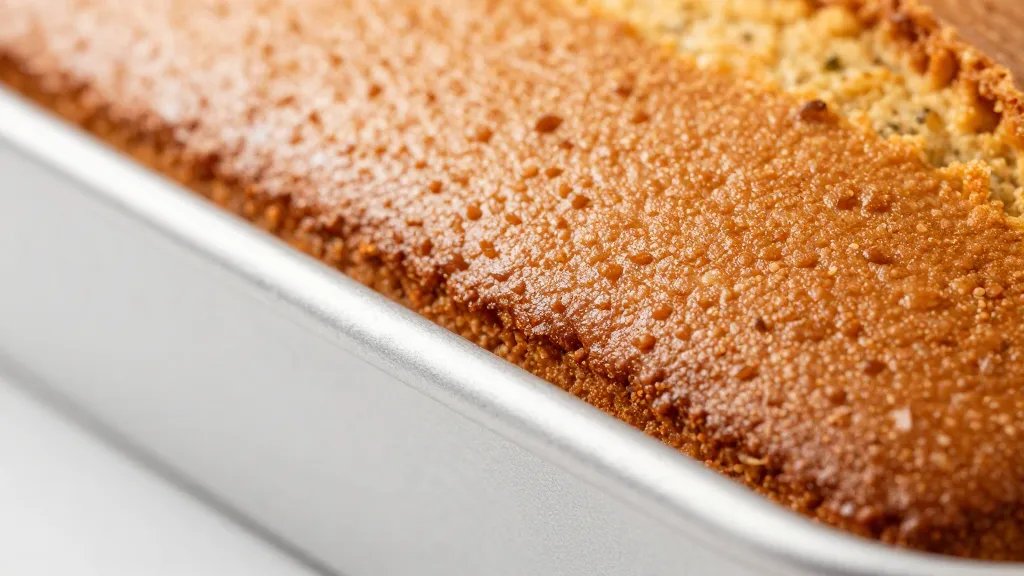
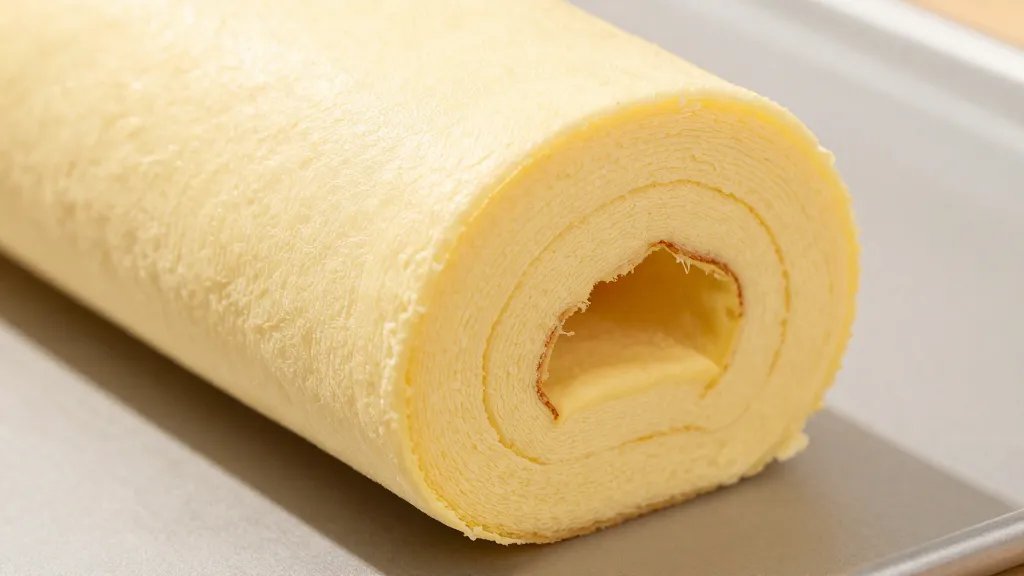
- Jelly rolls and Swiss rolls: The stars of the show. The thin layer bakes evenly and rolls up neatly.
- Sheet cakes: A fast, light cake that’s perfect for a casual celebration. Add a creamy filling and dust with powdered sugar for a simple finish.
- Thin cookies: Some delicate cookies spread less on a shallow pan, giving you evenly thin cookies with just a little edge crisp.
- Roasted veggies: Okay, this is also a brag-worthy multipurpose pan. It handles veggies in a thin layer for quick roasting and easy cleanup.
Tips for perfect rolls every time
- Prep like a pro. Grease the pan, line with parchment if your recipe calls for it, and flour lightly. This is not the time to wing it and hope for the best.
- Even batter: Spread your batter to the edges for a uniform roll. A spatula with a straight edge helps you nudge it into place.
- Watch the bake. Don’t rely on a generic bake time. Start checking a few minutes early and test for a springy, just-set center.
- Roll with care. Let the cake cool a bit before rolling, or you’ll end up with cracks and a sad filling. A towel helps, too—no shame in the folding technique.
Care and maintenance: keeping it in tip-top shape

- Cool before washing. Let the pan cool, then wash with warm soapy water. Don’t dive straight into cold water; it can warp some metals.
- Avoid abrasive scrubbers. They wreck nonstick coatings and dull looks. A soft sponge goes a long way.
- Dry thoroughly. Water tricks can lead to spots or rust on uncoated aluminum. Quick dry helps.
- Storage matters. Store flat with a protective layer if possible to avoid dents in the rims.
Subsection: choosing between aluminum and nonstick
Aluminum advantages
- Excellent heat conduction means even browning and faster bake times.
- Durable and generally affordable.
Nonstick coatings—pros and cons
- Pros: Food releases easily, less greasing, easier cleanup.
- Cons: Coatings can wear over time; avoid metal utensils that scratch. If you’re allergic to certain coatings or want to avoid chemicals, you might lean uncoated.
Common mistakes to dodge
- Overfilling the pan. You want a thin, even layer. Overfilling invites spillovers and gummy edges.
- Skipping parchment or grease. Release nightmares are real. A little prep goes a long way.
- Using the wrong size for the recipe. A larger pan can dry out the cake; a smaller one can overflow. Follow the recipe’s guidance when possible.
Conclusion
A jelly roll pan might be the most unassuming tool in your kitchen, but it’s a secret weapon for light, delicate cakes and flawless rolls.
It’s all about the balance: shallow depth for easy rolling, a wide surface for even baking, and a sturdy rim to keep things tidy. If you bake at all, this pan is worth a spot in your lineup.
IMO, you’ll reach for it more often than you expect, especially when you want that perfect roll without drama.
FAQ
What size is the classic jelly roll pan?
The classic is typically about 15 x 10 inches with a 1-inch rim, but variations exist. Check your recipe and oven dimensions before you buy.
Can I use a regular sheet pan instead?
You can, but a regular sheet pan has lower sides. You’ll risk batter spilling or a tougher roll. If you only have a standard baking sheet, you’ll just need to be extra careful or adapt the recipe for a sheet cake rather than a roll.
Is aluminum better than nonstick for jelly roll pans?
Aluminum heats evenly and cools quickly, which helps with even baking. Nonstick is convenient, but coatings wear over time. Choose based on how you bake and how much you value easy release versus longevity.
How do you prevent cracks when rolling a cake?
Let the cake cool slightly, roll it gently with a towel or parchment, and roll along the long edge to minimize tears. A thin, even layer helps too—thicker layers crack more easily.
Can I use a jelly roll pan for cookies?
Definitely. It bakes cookies thinner and crisper, with uniform edges. Just keep an eye on bake times since the shallow depth can cook faster than a regular sheet pan cookie.


