

What Is a Saucepan: the Cozy Kitchen Hero

A saucepan might be the unsung hero of the kitchen, but it’s stubbornly reliable: it boils, simmers, and condenses miracles into a cozy bubble.
If you’ve ever wondered what makes a saucepan different from a pot or a skillet, you’re in the right place. Grab a cuppa and let’s dive in.
What exactly is a saucepan?
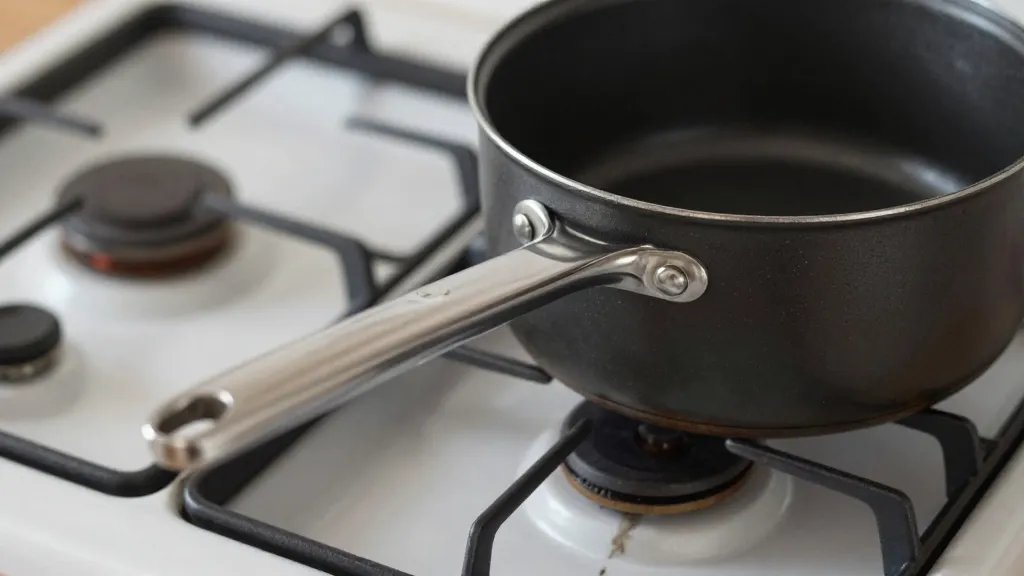
A saucepan is a deep, usually tall-sided pot with a long handle. It’s designed for tasks that require controlled heat and frequent stirring.
Think sauces, soups, grains, and reheating leftovers without a hot mess.
The legs of a typical saucepan aren’t a thing you’ll rely on—this one’s meant to live on the stove and be moved around with one hand while you whisk with the other.
Key traits you’ll notice:
- High sides to reduce splatter and keep liquids contained
- A long handle for precise maneuvering
- A straight or gently curved profile that distributes heat evenly
- Versatility from simmering to steaming small amounts
Why the shape matters: how a saucepan works
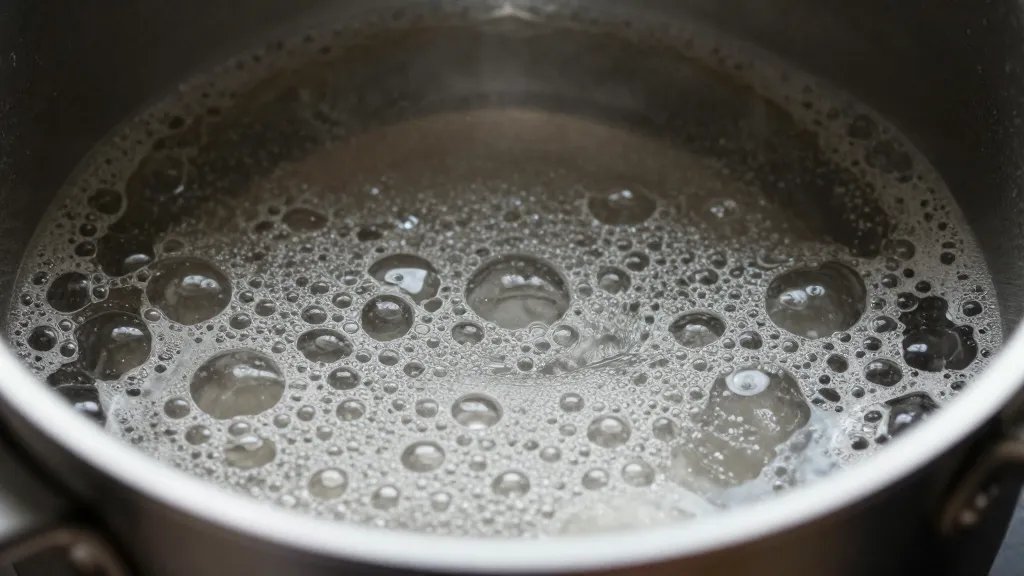
Have you ever noticed how sauces cling to the edges just a tad differently than soups? That’s not magic—that’s geometry and heat management working together.
The tall sides reduce evaporation a bit, which is perfect for reducing sauces without turning them into a flavorless syrup.
The narrower base compared to a stockpot concentrates heat where you need it most: the bottom.
Heat distribution and control
– Most saucepans have thick bases to spread heat evenly and avoid hotspots.
– The lid helps trap moisture when you’re simmering or reducing.
– A long handle stays cool enough to grip (usually with metal or silicone), so you’re not playing hot-potato with the pan.
Pro tip: If your stove runs hot, look for a pan with a thicker base. It’s like giving your sauce a little spa day—less scorching, more even simmer.
Materials matter: what your saucepan is actually made of
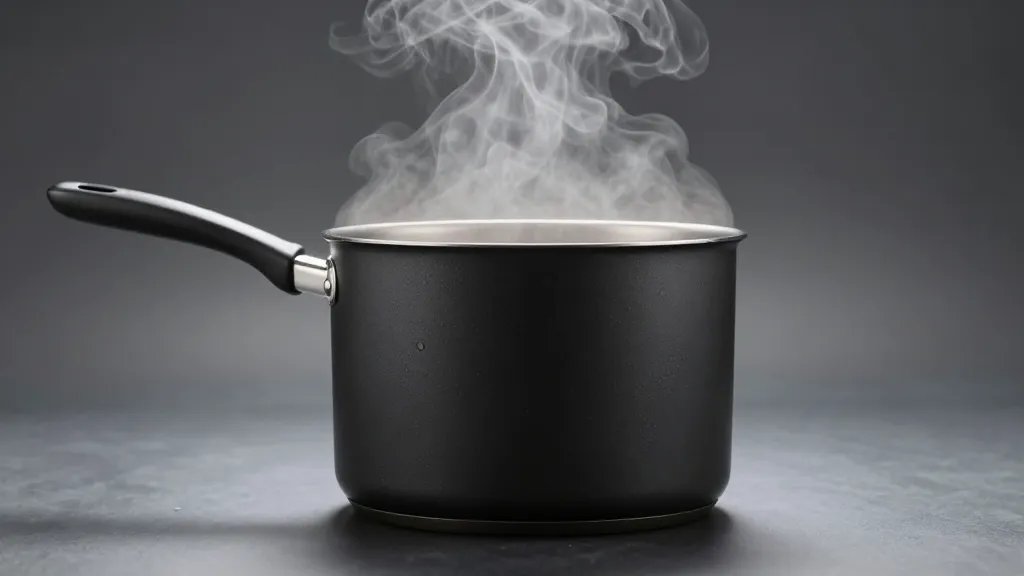
Saucepans come in a few main materials, each with its own personality. Here’s the quick tour so you can pick one that fits your cooking style.
Stainless steel with aluminum or copper cores
– Durable, non-reactive, and great for a wide range of dishes
– The core or layered bottom helps with even heat distribution
– Won’t impart flavor to acidic dishes like tomato sauces
Nonstick
– Great for low-fat cooking and easy cleanup
– Not ideal for high-heat searing or reducing heavy sauces
– Handle and coating care matters—avoid metal utensils that scratch
Cast iron
– Hefty and can go from stovetop to oven
– Naturally nonstick when seasoned well, but needs upkeep
– Heats slowly but retains heat like a champ
Other options
– Aluminum: light and cheap, but can react with acidic foods unless coated
– Copper: fantastic heat control, but requires maintenance and polishing
– Ceramic-coated: scratch-resistant but can wear over time
Common uses for a saucepan
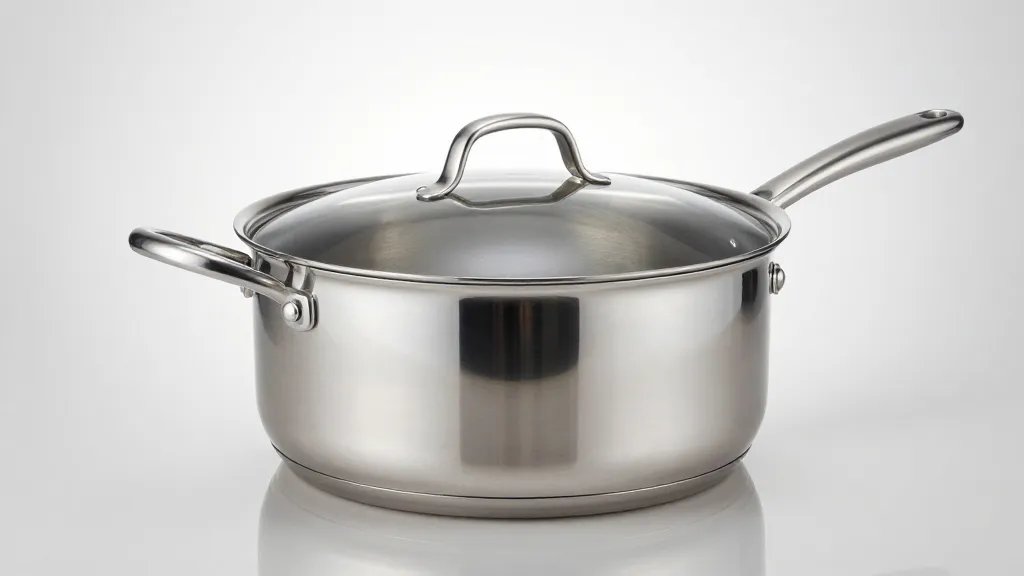
If you bake a lot, you’ve probably used a saucepan for more than you realized. Here are the everyday heroes you’ll likely reach for.
- Sauces: pan sauces, reduction, emulsions
- Heating liquids: milk, broth, coffee concentrates
- Cooking grains in small batches: quinoa, couscous
- Reheating leftovers gently without scorching
- Steaming tiny veggies or dumplings with a little water in the bottom
Tips to choose the right saucepan for you
Because there’s no one-size-fits-all in cookware, here are some practical tips to help you shop without regretting later.
Size matters, but not too big
– A 1 to 2-quart pan works for sauces and small portions.
– A 3 to 4-quart pan covers most daily tasks and still stores nicely.
– For serious batch-cooking, you’ll want something around 5 quarts or more.
Rim design and pour spouts
– A straight rim makes pouring easier and reduces drips.
– Some pans have a small pour spout—super handy for sauces.
Lid fit and venting
– A snug lid keeps heat in for quicker reductions.
– A vented lid isn’t always necessary, but it’s nice for simmering without a boil-over.
Care and maintenance: keep your saucepan happy
If you don’t want your saucepan to betray you at the worst possible moment, treat it right. A little ritual goes a long way.
- Season cast iron lightly to build a natural nonstick surface, then maintain it with oil.
- Avoid metal utensils with nonstick coatings to prevent scratching.
- Clean promptly after use to prevent stubborn stains and residue.
- Dry thoroughly to prevent water spots or rust on exposed metal.
Stains and stubborn residue
– Soak with warm soapy water and a non-abrasive sponge.
– For tough spots on stainless steel, a paste of baking soda and water can work wonders.
Myths and realities about saucepan use
Let’s debunk a few kitchen myths that might be tripping you up.
Myth: A bigger pan always means better results
Reality: Bigger isn’t always better. You want a pan that fits your batch size. Overcrowding leads to uneven cooking and more stirring, not a better outcome.
Myth: You can never have too many saucepans
Reality: You can have too many, especially if you’re short on storage. Pick a versatile size as your workhorse and add specialty pans if you cook specific things often.
Conclusion
A saucepan is the quietly dependable workhorse of the kitchen. It handles sauces, reheats, and sautés tiny portions with style and practicality.
Pick a material that fits your vibe, keep an eye on the bottom heat, and you’ll wonder how you ever lived without it.
FAQ
What is the main difference between a saucepan and a pot?
A saucepan is deeper with a long handle and narrower base, designed for simmering, sauces, and small-batch cooking. A pot is usually wider with shorter handles, meant for larger volumes and tasks like boiling pasta or stock.
Can I use a saucepan in the oven?
Some saucepans are oven-safe, especially those with metal handles and certain materials. Check the manufacturer’s guidelines before popping yours in the oven. FYI, cast iron saucepans are usually fine, but always confirm.
Is nonstick coating safe for high heat?
Nonstick coatings aren’t ideal for high-heat searing. They shine for low- to medium-heat cooking and easy cleanup. If you need to brown something, switch to stainless or cast iron for that step.
How do I prevent sauces from scorching?
Use a pan with a thick, even base, keep heat moderate, and stir frequently. If your sauce reduces too fast, lower the heat and give it a stir—frequent attention beats burnt sugar every time.
What size should my first saucepan be?
A 2-quart saucepan is a solid starter. It covers most basic tasks—sauce emulsions, reheating, and small servings—without crowding your stove.


