

What Is a Braising Pan and Why It Rocks

It’s a pan with purpose. A braising pan isn’t just a big pot you pretend to know how to use—it’s your versatile kitchen sidekick, ready for long, slow flavorful builds or quick, high-heat sears that still taste like you spent all day on them.
So what is a braising pan, really? It’s a sturdy vessel designed to brown meat or veg, then slowly braise or simmer in a flavorful liquid. Think: crispy edges, tender middles, and gravy that clings to every bite.
If you’ve ever enjoyed a fall-apart pot roast or a glossy pan sauce, you’ve tasted the magic of braising.
FYI, the tool matters as much as the technique.
What sets a braising pan apart from a regular pot
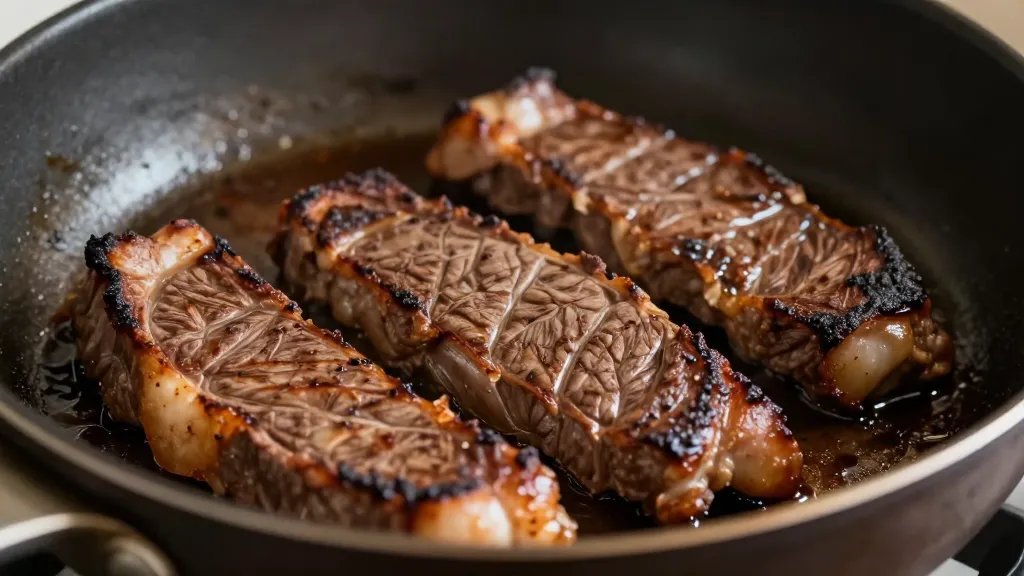
– Size and shape: Braising pans are usually wide and relatively shallow, with a roomy cooking surface and tall sides. That combo gives you both good browning and steady braising without sloshing everywhere.
– Material matters: You’ll see options like enameled cast iron, pure cast iron, stainless steel with a heavy bottom, or even nonstick coatings. Each has its vibes, heat distribution, and care requirements.
– The lid factor: A tight-fitting lid traps moisture, which is essential for braising. Some lids cinch down with heat retention that practically whispers, “you’re welcome.”
– Or a pan + lid duo: If your cookware stack is minimal, you can still achieve braise magic with a big, heavy Dutch oven or a wide skillet and a foil cover. The goal is to trap steam and keep things juicy.
Who should consider adding one to their kitchen
– Big-batch cooks: If you feed a crowd or love leftovers, a braising pan shines. It handles generous proteins, root veggies, and saucy reductions like a champ.
– Weekend meal preppers: You can brown on day one, braise on day two, and have a dinner ready with minimal effort.
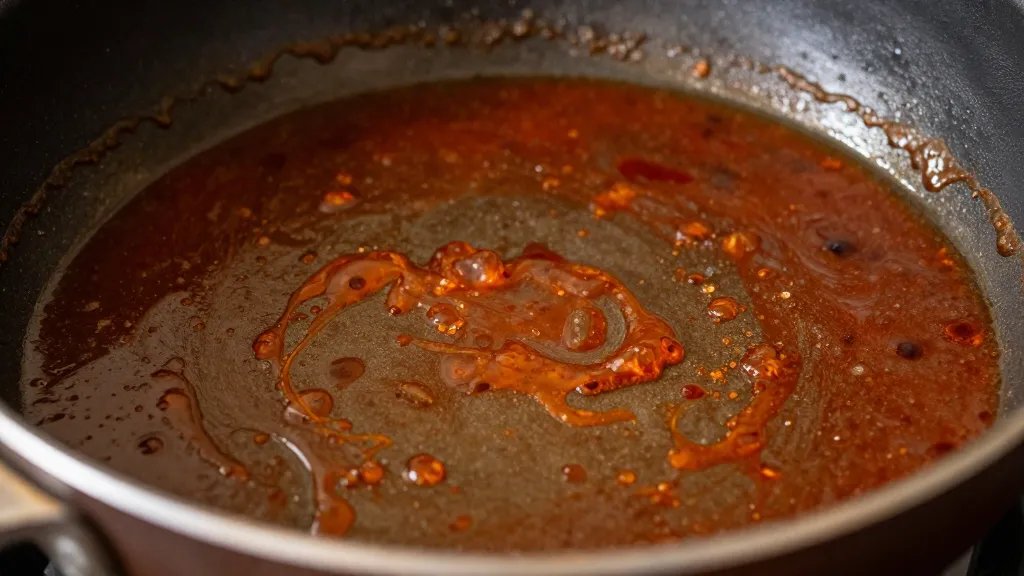
– Saucy dreamers: If you chase glossy pan sauces, the wide surface area gives you plenty of fond to deglaze and reduce.
– Beginners who want a forgiving workhorse: A good braising pan invites mistake-friendly cooking—more surface area means easier browning and more control.
How to choose the right braising pan
– Material match:
– Enameled cast iron: Ideal for even heat, no seasoning needed, easy cleanup. Heavier, more expensive, but it loves braising.
– Cast iron: Superb heat retention, excellent crusts, require seasoning and careful cleaning.
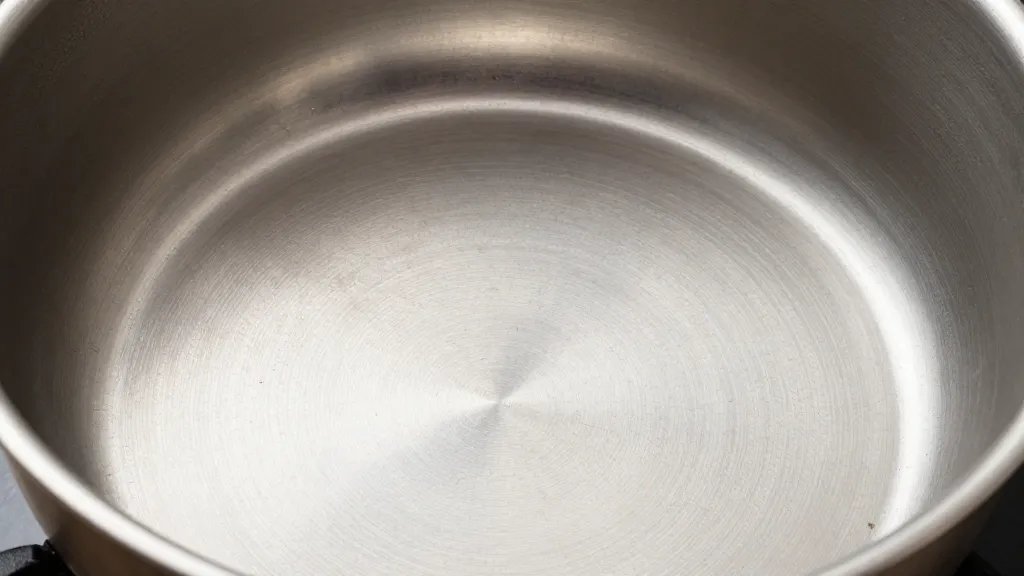
– Stainless with heavy bottom: Lighter, good for searing and braising, but may not hold heat as long as cast iron.
– Size matters: Think about your typical protein. A 4–6 quart model handles a couple pounds of meat or several servings of vegetables; 7–12 quarts handle bigger roasts or stews for crowds.
– Handles and lid: Large, sturdy handles help when things get hot and heavy. A tight lid is non-negotiable for moisture retention.
– Maintenance: Enamel is forgiving if you hate seasoning. Bare cast iron wants love, seasoning, and never soaking.
What you cook in a braising pan
– Classic pot roast: Caramelize the meat, add aromatics, pour in stock or wine, cover, and braise until tender.
– Short ribs and brisket: Low and slow wins. The pan’s surface helps develop flavor and the meat soaks in it beautifully.
– Chicken with vegetables: Think paprika, garlic, onions, carrots, and a splash of stock; the whole dish becomes a cozy one-pan miracle.
– Vegetarian braises: Root vegetables, mushrooms, tomatoes, and beans braised in stock or tomato-based liquids yield deeply flavored meals.
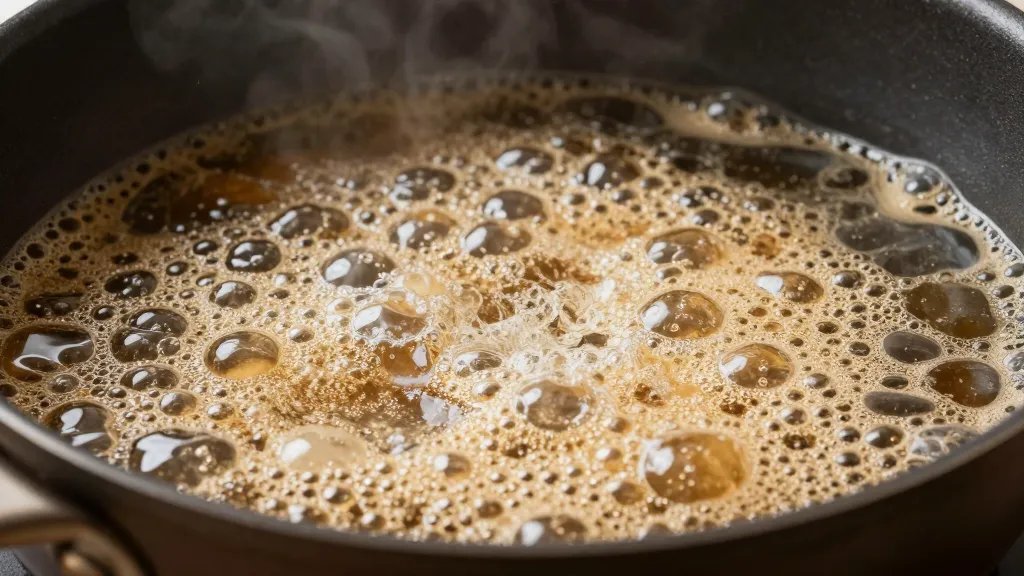
– Pan sauces: After braising, deglaze with wine or broth, reduce, and finish with butter for that glossy finish.
Techniques to get the most out of your braising pan
– Sear first, then braise: Brown the protein well on all sides to build flavor. Don’t rush this step.
– Don’t crowd the pan: Leave room for browning. If you overload, you’ll steam instead of sear.
– Deglaze smartly: After browning, splash in a liquid to lift stuck bits. Scrape them up—the fond is flavor gold.
– Low and slow or fast and hot: For tougher cuts, aim for low heat over longer times. For tender cuts, you can finish with a shorter braise at moderate heat.
– Liquid matters: Stock, wine, beer, or even a tomato-based braise work. Keep enough liquid to come halfway up the braised ingredients.
– Finish with a glaze or sauce: A quick reduction at the end or a splash of lemon, vinegar, or fresh herbs brightens the dish.
Adjusting for different heat sources
– Gas stoves: You’ll feel the heat directly; use a heat diffuser if you’re worried about hotspots.
– Electric coil stoves: Cast iron holds heat well, so you might dial down a notch or two to prevent scorching.
– Induction: If your pan is induction-ready (many enameled cast irons are), you’ll get rapid, even heating—great for precise braising.
– Outdoor or camp cooking: A braising pan can absolutely work on a grill with indirect heat and a covered setup for that “campfire but fancy” vibe.
Care and maintenance tips
– Cleaning: For enamel-coated, hand wash with mild soap. For cast iron, avoid soaking; dry promptly and rub with a light coating of oil.
– Storage: Keep lids on or slightly ajar to prevent moisture from lingering and rust forming, especially with cast iron.
– Stain and odor control: A baking soda paste can help restore shine or remove stubborn stains on enamel. For cast iron, a gentle scrub and oil seasoning routine keeps it happy.
Common mistakes to avoid
– Skimping on browning: Skipping the sear loses a ton of flavor. If you’re short on time, sear in batches rather than crowding the pan.
– Too little liquid: Braising needs moisture. Let the pan simmer with enough liquid to manage long, slow cook times.
– Overcooking delicate proteins: Tender cuts can overcook quickly if you’re not watching. Check early and rest after braising for juicy results.
– Choosing the wrong lid: A loose lid or no lid = moisture escape. Use a properly fitting lid or foil to trap steam.
Conclusion
A braising pan is a kitchen workhorse that blends searing power with slow-cook generosity. It’s where crust meets velvet, where bold flavors marry with time.
If you crave one pot meals that still feel fancy, this is your ticket.
IMO, once you own one, you’ll find excuses to braise recipes you didn’t even know you needed.
Frequently asked questions
What’s the best material for braising pans?
Enamel-coated cast iron is a crowd-pleaser if you want even heat, easy cleanup, and less fuss with seasoning. Bare cast iron delivers amazing crusts and heat retention but requires more maintenance. Stainless with a heavy bottom is a lighter alternative with solid performance.
Can I braise on the stovetop or in the oven?
Yes. Most braising pans are designed for both stovetop browning and oven braising. Start with a good sear on the stove, then transfer to the oven for hands-off long braising. The oven helps maintain steady, gentle heat.
How much liquid should I use for braising?
Aim for liquid halfway up the ingredients. You don’t want everything swimming, but you do want enough moisture to prevent scorching and to make a satisfying sauce.
Can I braise vegetables in a braising pan?
Absolutely. Root vegetables, squash, and mushrooms braise beautifully. Add aromatics and stock or a flavorful tomato base, then simmer until tender.
How do I clean an enamel-coated braising pan?
Let it cool, wash with warm soapy water, and avoid scouring pads that could scratch the enamel. Dry thoroughly and store with the lid on to protect the enamel from chips or cracks.
Is a braising pan worth the investment for a small kitchen?
If you cook meals with depth of flavor and love one-pot dishes, yes. A braising pan replaces several tools: a skillet, a stock pot, and a roasting pan can live inside one piece of cookware. It’s a space saver that pays off in flavor.


