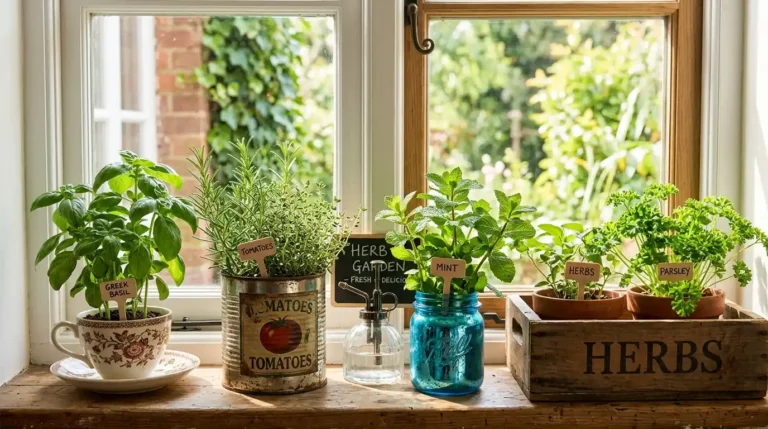

What Is Pan Seared: Crunchy Inside, Juicy Outside

Think of a pan seared as the culinary equivalent of press-and-go: a hot skillet, a little oil, and a moment of sizzling magic.
It’s all about turning a simple piece of food into something caramelized, crusty, and irresistibly flavorful. No fluff, just the good stuff happening in a pan.
What pan searing actually is (and isn’t)
Pan searing means getting a tasty brown crust on the outside while keeping the inside juicy. It’s not deep-frying, braising, or roasting, though it often leads into those methods.
The key is high heat, a dry surface, and patience (or at least not washing your pan every time something bubbles).
Here’s the quick breakdown:
- High heat creates Maillard browning, the fancy term for that crusty, flavorful surface.
- Patience matters: don’t rush the crust. Wait for a good sear before flipping.
- Dry surface rules: moisture kills crust. Pat meat dry and pat dry again if needed.
What you can sear (and what you probably shouldn’t)
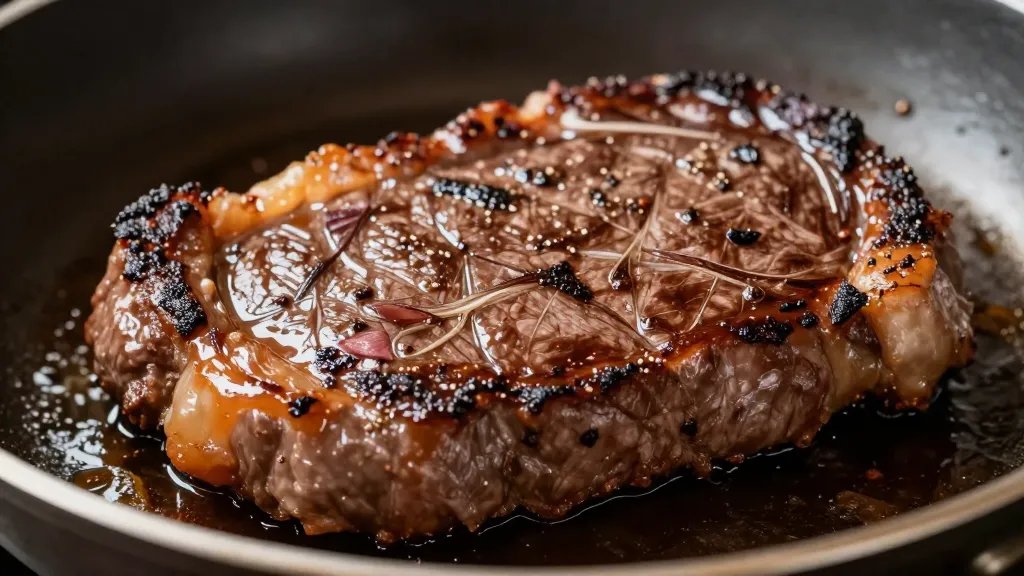
Meat is the classic, but you can pan sear more than just chicken or steak. Veggies, tofu, even fruit like halloumi or peaches can get in on the action.
The one thing to watch: fat content and surface moisture. If it’s sweating, you’ll steam, not sear.
FYI, dense proteins like fish or pork chops react beautifully when you respect their thickness and fat marbling.
Meats that shine with a good sear
- Steaks and chops
- Chicken thighs with skin for extra crisp
- Shrimp or scallops (short sear, don’t overcook)
Veggies and alternatives that work
- Mushrooms, peppers, zucchini, asparagus
- Tofu and tempeh with a thin coating of starch
- Halloumi and paneer for a cheesy crust
Tools of the trade: what you actually need
You don’t need a fancy skillet, but you do need the right surface and heat. A heavy-bottom skillet or cast-iron pan distributes heat evenly and holds a blistering crust.
Stainless steel is great because it shows you the browning, but nonstick can work for delicate proteins if you’re careful (and don’t max out the heat).
Key items:
- Heavy pan (cast iron, stainless steel, or a thick aluminum with good heat spread)
- High-smoke-point oil (canola, grapeseed, or neutral olive oil)
- Kitchen towels for dry pat-downs and a spatula for flipping
The method: steps for a solid sear
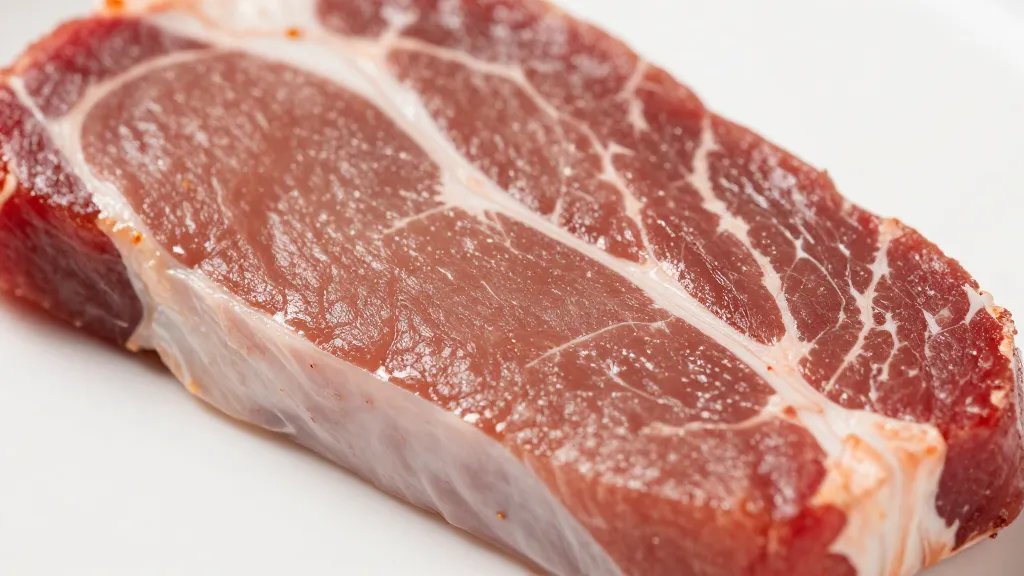
Let’s walk through a straightforward approach. You’ll be surprised at how little time this actually takes.
- Pat the surface dry. The drier the better for a crust.
- Season generously. Salt early to help surface moisture evaporate.
- Preheat the pan until it’s shimmering hot. You should hear a gentle sizzle when the food touches the surface.
- Add oil, swirl, then lay the food away from you to avoid splatters.
- Let it sear without moving. Check for a crust; flip when it releases easily and shows deep browning.
- Finish with a touch of butter or aromatics if you want extra flavor, then remove and rest briefly.
Common hiccups and how to fix them
- Sticking: your pan isn’t hot enough or there’s too much moisture. Dry and re-sear.
- Soggy crust: pat dry, blot extra moisture, and keep the heat up.
- Uneven cook: start with even-sized pieces for consistent contact with the pan.
Temperature magic: how hot is hot enough?
You want scorching, not timid. If you drop a water droplet and it sizzles away instantly, you’re in the right zone.
For most proteins, aim between medium-high to high heat. If your oil begins to smoke, that’s your cue to turn down slightly or switch to something with a higher smoke point.
Tips to manage heat:
- Preheat the pan to the right temperature before adding oil.
- Use enough oil to sheen the surface, not pool it.
- Adjust heat as you go: if the crust is sticking or the color isn’t developing, tweak the flame.
Flavor boosters: finishing touches that elevate the sear
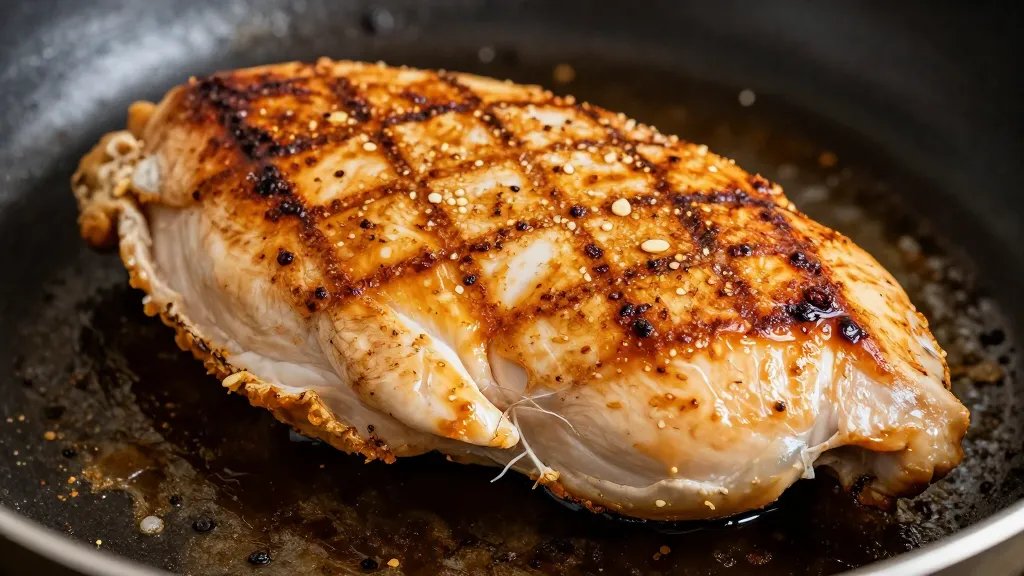
A great sear is a canvas. Here are a few ways to add personality without drowning the crust in heavy sauces.
- Finish with butter and a splash of wine or citrus in the last minute for sheen and aroma.
- Herbs and aromatics: thyme, rosemary, garlic, and shallots in the pan become aromatics that glaze the surface.
- Glazes that cling: a light brushing of soy, honey, or balsamic can create a lacquered finish—careful not to burn.
Butter vs. oil: the finishing touch
Butter adds flavor, but it burns quickly. If you use butter, add it near the end and baste with its melted goodness. This gives you both flavor and that glossy finish without a bitter taste.
From stovetop to plate: a quick rest and serve
Resting matters more than you think. Let the meat or veggie rest a few minutes after searing to redistribute juices and finish carrying heat internally.
Cutting too early floods the plate with juices and robs you of that perfect crusty exterior.
Serving ideas:
- Pair seared steak with a simple herb butter and a side of crisp vegetables.
- Seared chicken thighs with roasted garlic and lemon zest spark joy on weeknights.
- Try seared halloumi over a quick salad with a splash of olive oil and lemon.
Creative twists: taking pan searing beyond the basics
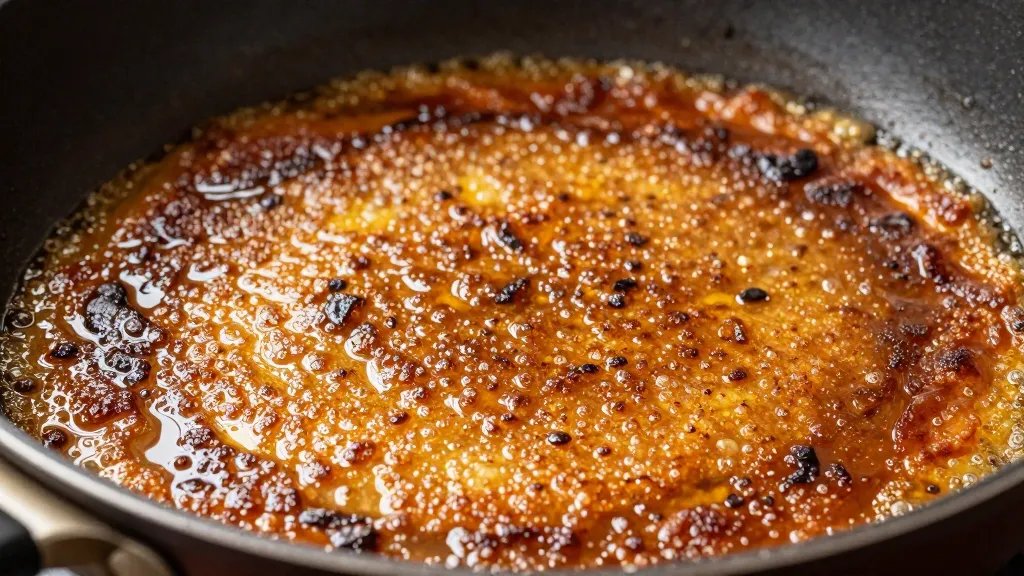
If you want to level up, experiment with crusts, marinades, and finishing sauces. A starch coating (like cornstarch or potato starch) can boost the crust’s robustness, especially on fish or tofu. Marinades with a dry surface — you know, a little salt, sugar, and spices — can accelerate browning and flavor.
- Dry-brine briefly for extra crispiness on chicken or pork.
- Use a dusting of flour or cornstarch for a more pronounced crust on certain proteins.
- Finish with acidity (lemon juice, vinegar) to brighten the flavors after searing.
Conclusion
Pan searing is exactly what it sounds like: a hot skillet, a little oil, and a moment that transforms humble ingredients into something deliciously crusted and deeply flavorful.
It’s accessible, flexible, and forgiving once you get the hang of the heat and the dry surface.
So next time you’re staring at a piece of meat, veggies, or tofu, remember: a good sear turns the ordinary into the irresistible.
FAQ
What’s the biggest mistake when pan searing?
Paragraph: The biggest mistake is cooking with moisture on the surface. Pat everything dry, then sear. Moisture creates steam and prevents a proper crust from forming, and nobody wants soggy crust vibes.
Can I pan sear without a lot of oil?
Paragraph: Yes, you can, but you’ll still want a thin film of oil to help the surface brown and release. If the pan is hot enough and dry, you can start with less oil and add more as needed. FYI, a nonstick pan works, but you’ll miss out on the deep browning you get from a hot metal surface.
Is pan searing the same as pan frying?
Paragraph: Not exactly. Pan searing uses high heat to create a crust with minimal oil, while pan frying involves more oil and cooking the food submerged or semi-submerged. Searing focuses on surface texture and flavor, with a shorter cook time for most proteins.
How long should I rest after searing?
Paragraph: Resting for 5–10 minutes is usually plenty for larger cuts like steaks. Smaller items can rest 2–5 minutes. Resting helps juices redistribute and keeps the meat juicy when you slice into it.
Can I sear frozen meat?
Paragraph: It’s not ideal. Start-thawing first yields a better crust and even cooking. If you must, sear on high heat after thawing and pat dry, but expect uneven texture.
What are some quick finishing sauces I can use?
Paragraph: Try a quick pan sauce: deglaze with wine or stock, add a pat of butter, and finish with chopped herbs. A squeeze of lemon or a dash of soy can also lift the crusty surface nicely. IMO, simple and bright beats heavy sauces any day.