

Why Transitioning an Indoor Herb Garden Outdoor Requires Hardening Off

Every indoor herb gardener reaches the same exciting moment. Spring arrives, temperatures rise, and the urge to move those thriving indoor pots outside becomes impossible to resist.
Basil, rosemary, mint, and thyme all look healthy and strong under indoor conditions. Moving them outside feels like a natural next step toward bigger growth and better harvests.
However, rushing this transition without proper preparation leads to wilted, stressed, and sometimes permanently damaged herb plants.
Transitioning an indoor herb garden outdoor requires hardening off because indoor grown herbs are simply not prepared for the outdoor environment.
Understanding why this process matters and how to do it correctly saves your plants, protects your investment, and sets your herb garden up for a genuinely successful outdoor growing season.
What is Hardening Off and Why Does it Matter
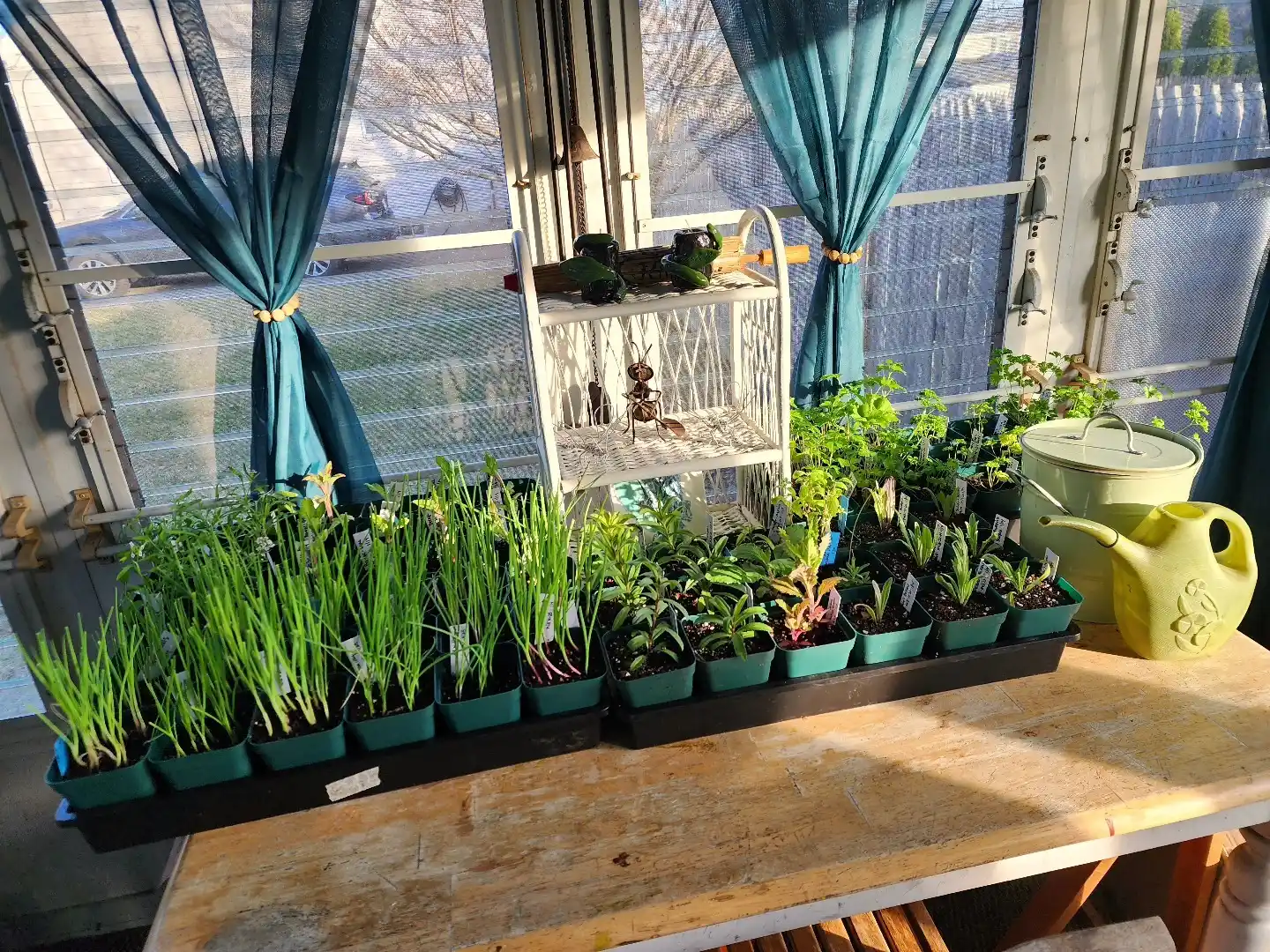
Hardening off is the gradual process of introducing indoor grown plants to outdoor conditions over a period of seven to fourteen days.
Indoor herbs grow in a controlled environment with stable temperatures, filtered light, and no wind exposure whatsoever.
Outdoor conditions are dramatically different and far more demanding on plant systems.
Direct sunlight outdoors is significantly more intense than any indoor light source including grow lights.
Wind causes physical stress on stems and leaves, triggering the plant to strengthen its cell structure in response.
Temperature fluctuations between day and night outdoors can be extreme compared to the stable warmth inside most homes.
Hardening off gives herbs the time they need to adjust to each of these new stressors gradually rather than all at once.
Why Indoor Herbs Struggle Without Hardening Off
Indoor herb gardens develop in comfortable, sheltered conditions that encourage soft, tender growth.
Leaves grown indoors have thinner cell walls, lower wax coating on their surfaces, and less structural strength in their stems than plants grown outdoors from the beginning.
Placing these soft indoor herbs directly into full outdoor sunlight causes a condition called sun scald.
Leaves develop white or brown bleached patches within hours of direct sun exposure. Wind causes tender stems to snap or bend permanently.
Sudden temperature drops shock root systems that have never experienced cold air.
Without hardening off, even the healthiest indoor herb garden can collapse within days of being moved outside permanently.
Transitioning Indoor Herb Garden Outdoor Step by Step
Following a structured hardening off schedule removes the guesswork and protects every herb in your collection throughout the entire transition process.
Days 1 to 3: Introduce Shade and Short Outdoor Sessions
Begin by placing your indoor herbs outside in a sheltered, shaded spot for just one to two hours during the mildest part of the day.
A covered porch, a spot under a large tree, or the shaded side of your home all work well for these first sessions. Avoid any direct sunlight exposure during these early days entirely.
Bring every pot back indoors before temperatures drop in the late afternoon. Indoor herbs are still primarily indoor plants during this first phase and need the security of their familiar environment for the majority of each day.
Consistency matters more than duration during this early adjustment period.
Days 4 to 6: Increase Outdoor Time and Introduce Gentle Sun
Extend outdoor sessions to three to four hours during days four through six. Begin introducing very gentle morning sunlight during the last thirty minutes of each outdoor session.
Morning sun is significantly softer than afternoon sun and causes far less stress on transitioning herb leaves.
Watch leaves carefully for any signs of stress during this phase. Slight wilting during outdoor sessions is normal and recovers quickly once plants return indoors.
Severe wilting, leaf curling, or bleaching signals too much sun exposure too soon. Scale back outdoor time immediately if any of these stress signs appear on your herbs.
Days 7 to 10: Extend Sun Exposure Gradually
By days seven through ten your herbs should handle four to six hours of outdoor time comfortably including direct morning sunlight.
Begin introducing one to two hours of afternoon sun exposure during this phase if plants show no stress signs from morning sessions.
Continue bringing herbs indoors each evening if overnight temperatures drop below 50 degrees Fahrenheit.
Most culinary herbs including basil, cilantro, and mint are sensitive to cold temperatures and suffer root damage when exposed to cold nights too early in the hardening off process.
Days 11 to 14: Full Outdoor Transition
During the final days of hardening off your herbs should handle full days outdoors including several hours of direct sunlight without showing any stress signs.
Leave plants outside for the full day and bring them in only if overnight temperatures threaten to drop below safe levels for your specific herb varieties.
By day fourteen most herbs are fully hardened off and ready for permanent outdoor placement.
Rosemary, thyme, oregano, and sage handle full sun beautifully once hardened. Basil and cilantro prefer morning sun with afternoon shade even after full hardening off is complete.
Best Outdoor Herb Garden Placement After Hardening Off
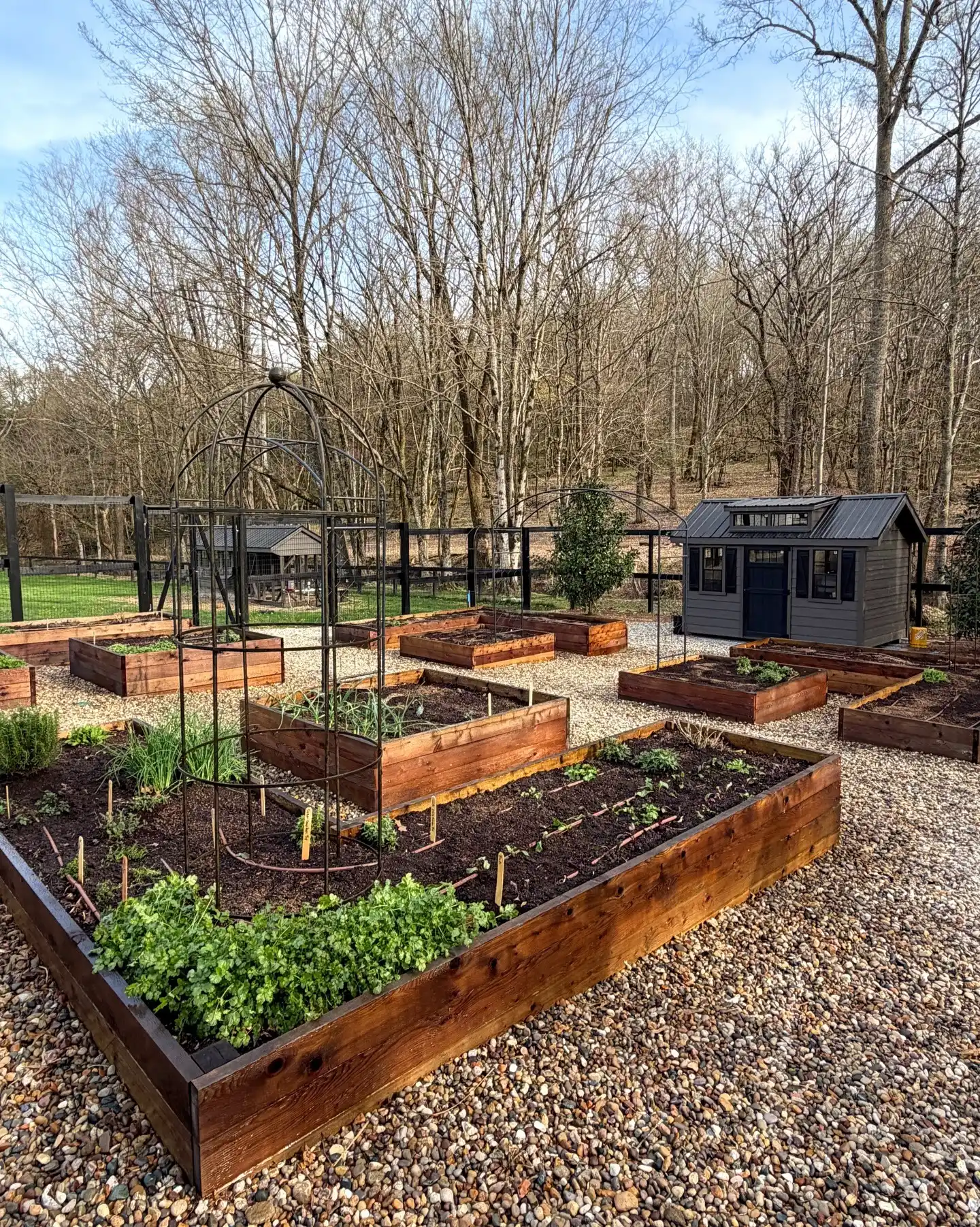
Choosing the right outdoor location for your hardened herbs determines how well they grow throughout the entire outdoor season.
Most culinary herbs need a minimum of six hours of direct sunlight daily for strong, productive growth outdoors.
South facing garden beds, raised planters on sunny patios, and balcony herb gardens with good sun exposure all work excellently for hardened off herbs.
Ensure every outdoor container has proper drainage holes so summer rain does not waterlog roots that worked so hard to adjust to their new environment.
Common Hardening Off Mistakes to Avoid
Many gardeners make predictable mistakes during the hardening off process that set their herb gardens back significantly.
Rushing the schedule is the most common error. Ten days feels like a long time when warm sunny weather is calling.
Skipping days or doubling outdoor time too quickly undoes the gradual adaptation your herbs need. Stick to the schedule consistently for the best results.
Forgetting wind protection catches many gardeners off guard. Even moderate wind stresses unhardened herbs considerably.
Start outdoor sessions in calm, sheltered spots and introduce windier locations gradually as stems strengthen over time.
Ignoring overnight temperatures damages cold sensitive herbs like basil instantly. Always check the overnight forecast before leaving any herbs outside after dark.
One cold night below 50 degrees Fahrenheit can set basil back by weeks or kill young seedlings entirely.
Skipping the shade phase and moving straight to full sun destroys tender indoor leaves within hours.
Every herb regardless of how healthy it looks indoors needs those first shaded outdoor sessions to begin building sun tolerance safely.
Why Hardening Off is Always Worth the Effort
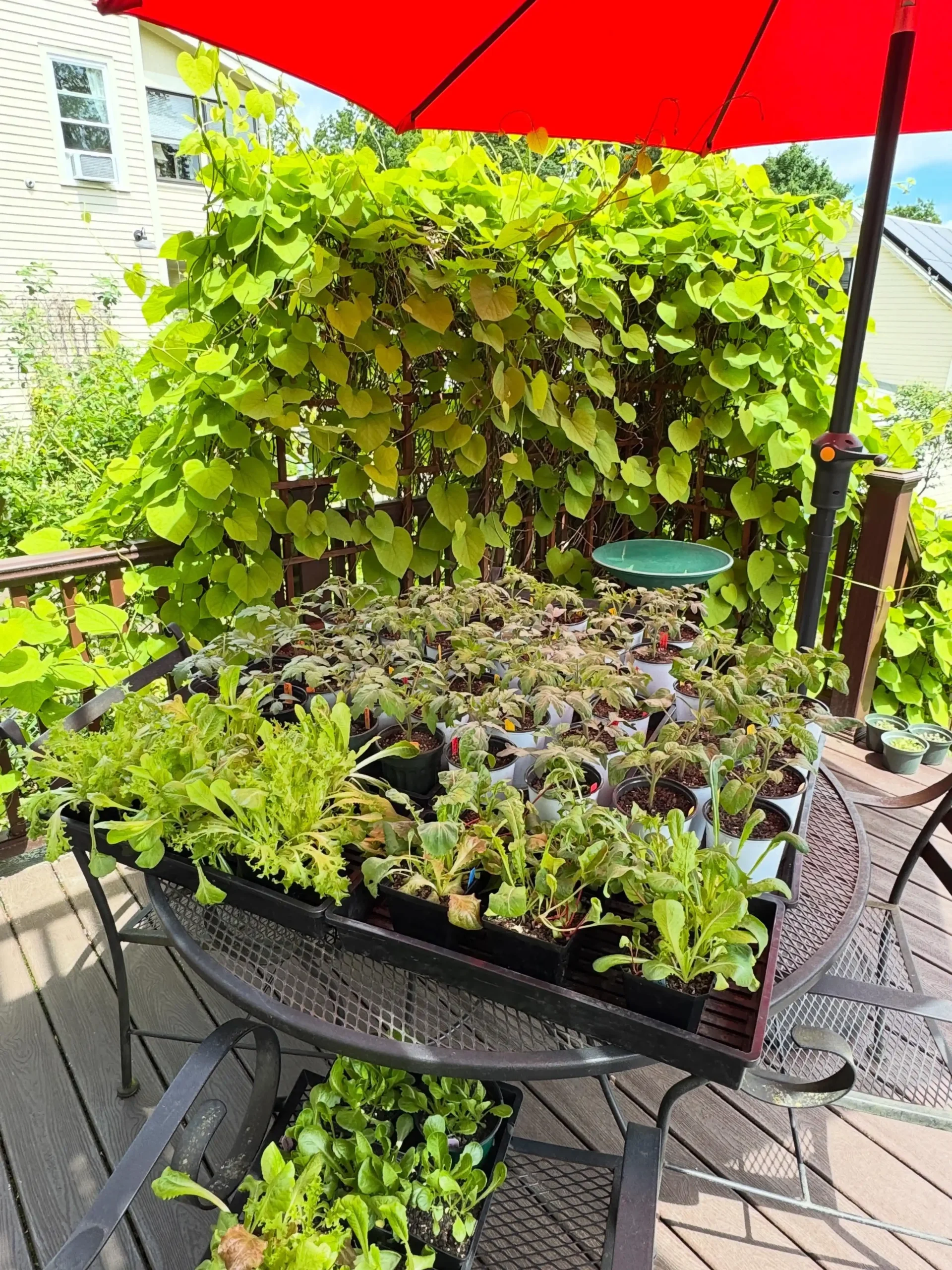
The hardening off process requires patience and consistency but the results make every careful day worthwhile.
Properly hardened herbs establish faster outdoors, grow stronger root systems, produce more flavorful leaves, and resist pests and diseases far more effectively than plants moved outside without preparation.
Transitioning an indoor herb garden outdoor requires hardening off not as an optional extra step but as a fundamental requirement for outdoor gardening success.
Give your herbs the gradual transition they need and your outdoor herb garden will reward you with abundant, aromatic, and healthy harvests throughout the entire growing season.


