

How to Add Color to All-White Kitchen Grandma core

An all-white kitchen offers a crisp, clean slate, but it can sometimes feel a bit cold or sterile.
If you love the cozy, nostalgic charm of grandmacore, you might want to infuse that space with warmth, personality, and soft hues.
Grandmacore celebrates comfort, vintage aesthetics, and the slow-paced charm of a traditional countryside home.
Bringing this look into a modern, monochromatic room requires a thoughtful balance. You can maintain a bright backdrop while introducing patterns and elements that feel collected over time.
Transforming a neutral culinary space does not require a complete renovation. Simple, intentional changes can easily break up the starkness of solid white surfaces.
By layering soft textiles, showing off vintage collectibles, and displaying live foliage, you create an inviting atmosphere.
This guide will show you exactly how to add color to all-white kitchen grandmacore styles without losing the airy feel of your room.
Discover how to turn a blank modern space into a warm, lived-in sanctuary filled with character.
Layering Nostalgic Textiles and Linens
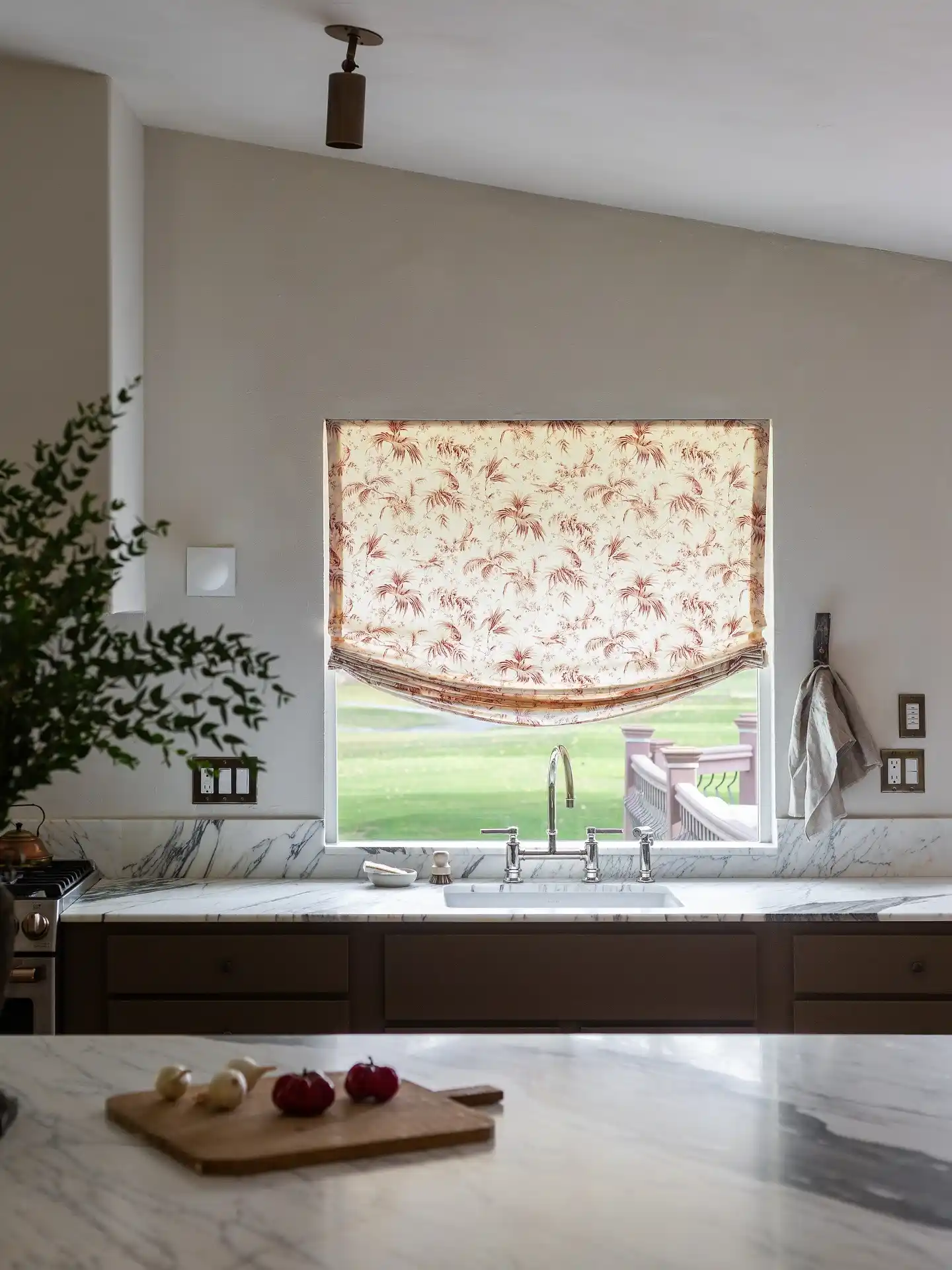
Fabrics offer one of the fastest ways to introduce gentle tones into a stark room. Traditional grandmacore relies heavily on soft, tactile materials that evoke a sense of history and comfort.
Replacing plain white dish towels with patterned options instantly breaks up flat expanses of cabinetry.
Look for classic patterns like gingham, soft florals, or vintage botanical prints to anchor the theme.
Hanging a pair of cafe curtains across a window introduces a soft framework that diffuses incoming daylight beautifully.
Consider using pastel tones like sage green, pale butter yellow, or dusty rose for your linens. These colors add warmth without overwhelming the eye or clashing with your bright walls.
Table runners, quilted hot pads, and embroidered tea cozies add small, charming pops of interest throughout the prep area.
These items are highly functional but double as soft decorative elements when left on display.
Choosing textiles with scalloped edges or delicate lace trim enhances the cozy, handmade feel of the space.
Displaying Vintage Ceramic Collections
Open shelving or glass-front cabinets provide an excellent opportunity to showcase colorful heirloom dishware.
Instead of hiding your plates behind solid doors, turn your daily tableware into a visual feature.
Scouring thrift shops or antique markets for mismatched porcelain pieces yields beautiful results.
Look for plates featuring intricate floral borders, retro fruit illustrations, or classic blue and white transferware patterns.
Stacking these items neatly adds instant texture and depth against a pale backdrop.
- Ceramic Pitchers: Display stone jugs filled with wooden spoons or fresh blooms on the counter.
- Teacups and Saucers: Hang delicate, patterned cups from small hooks underneath your shelving units.
- Mixing Bowls: Nest colorful stoneware bowls together to create an attractive, accessible countertop feature.
- Cookie Jars: Place a vintage painted earthenware jar near your baking station for a playful touch.
Mixing different eras and patterns keeps the display looking authentic and collected rather than artificially staged. The varied glazes catch the light nicely, breaking up the flat finish of painted drywall.
Incorporating Antique Countertop Storage
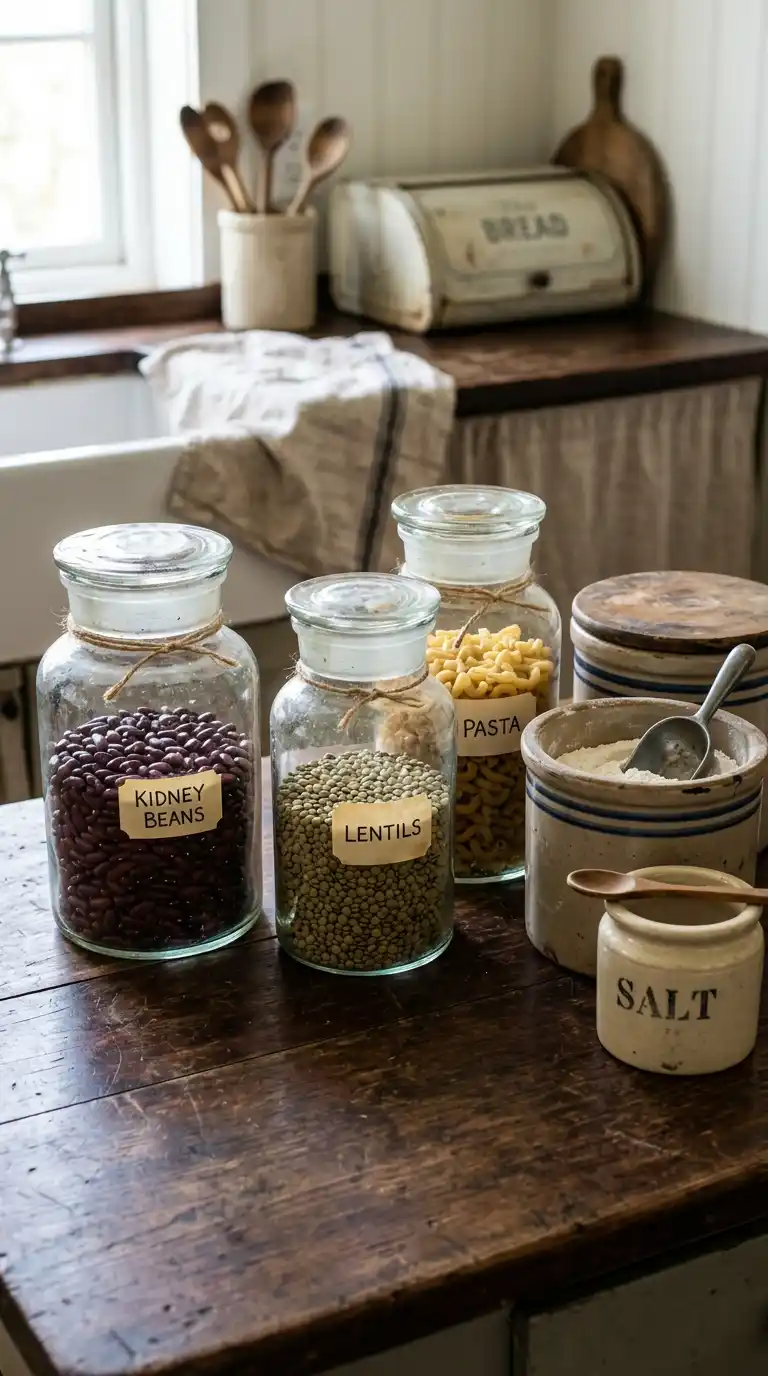
Modern kitchens often prioritize hiding every single tool inside deep drawers. Grandmacore flips this concept by celebrating utilitarian items as part of the decor.
Swapping out sleek plastic or stainless steel containers for vintage alternatives brings instant warmth to your workspace.
Old enameled tin canisters with faded lettering offer charming storage for flour, sugar, and tea bags.
These containers often feature soft jadeite green, warm cream, or pale blue finishes that pop beautifully against white quartz or marble.
Look for vintage bread boxes with painted floral details to anchor a corner of your counter. Heavy stoneware crocks in earthy brown tones provide a sturdy home for rolling pins and whisks.
Using old wooden boxes or woven wicker baskets to corral small spice jars adds an organic texture to the scene.
These functional storage solutions keep your daily essentials within arm’s reach while softening the hard lines of modern appliances.
Creating a Living Window Herb Display
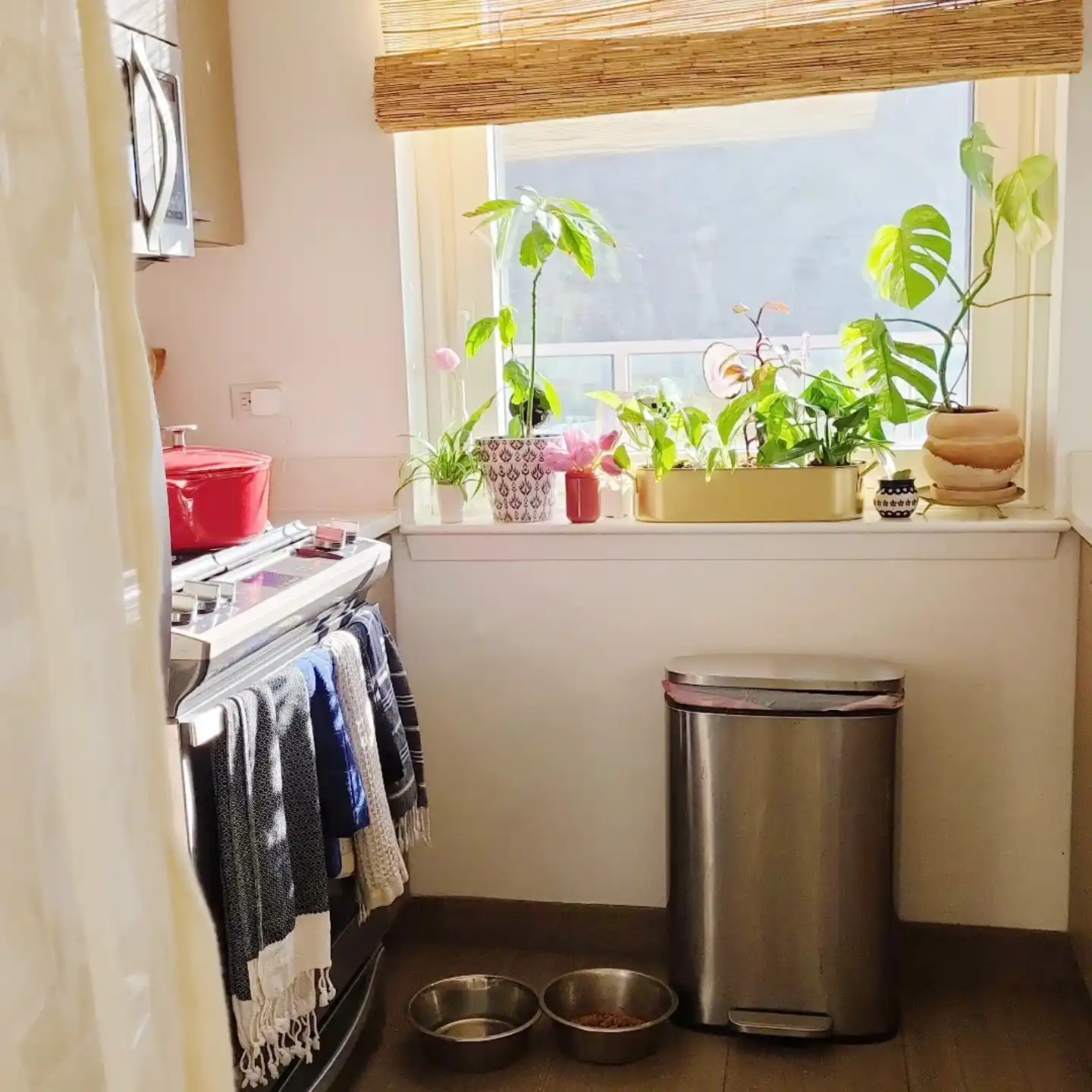
Bringing live foliage into your culinary space introduces natural, vibrant tones that synthetic accents cannot replicate. A sunny windowsill provides the ultimate spot for a miniature edible garden.
Utilizing varied terracotta pots, painted teacups, or upcycled tin cans as planters adds an eclectic charm to the ledge. The rich, earthy orange of natural clay provides a beautiful contrast to stark white painted trim.
Growing fragrant varieties like broadleaf sage, curly parsley, and sweet basil infuses the air with fresh aromas.
The different textures of the leaves—from soft, fuzzy sage to glossy basil—add visual complexity to the window area.
This living display changes constantly as the plants grow and develop flowers, keeping the space feeling dynamic.
Plus, having fresh ingredients directly next to your prep station enhances your daily cooking routine naturally.
Swapping Hardware for Warm Metal Tones
Standard chrome or brushed steel handles can make an all-white room feel distinctly cold and industrial.
Swapping these pieces out for warm, antique metal finishes completely alters the mood of your cabinetry.
Look for bin pulls and cabinet knobs made of unlacquered brass, antique copper, or darkened bronze.
These metals develop a beautiful, unique patina over time as they interact with the oils from your hands.
The warm reflection of brass or copper catches the light, adding a subtle glow to flat cabinet faces.
You can extend this metal theme to other areas of the room for a cohesive look. Hanging a row of polished copper pots from a ceiling rack or wall rail introduces a brilliant flash of color.
A vintage-style brass faucet serves as a stunning centerpiece for a farmhouse sink, grounding the entire grandmacore aesthetic.
Introducing Reclaimed Wood Accents
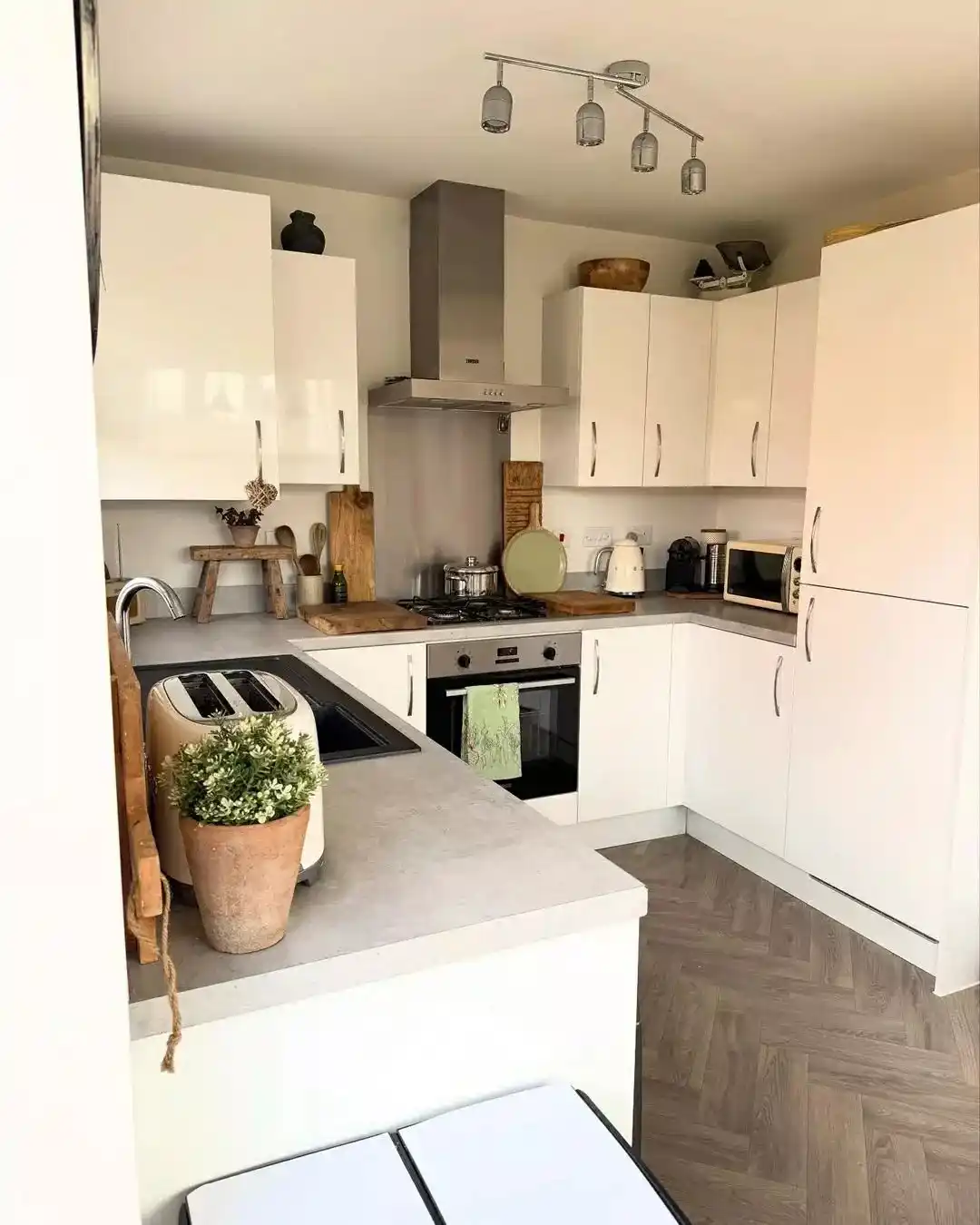
Wood finishes bring an undeniable element of warmth and history into a monochromatic space.
Integrating salvaged or distressed timber elements breaks up the slick, uniform surfaces of modern cabinetry.
Consider replacing a standard island countertop with a thick, rustic butcher block made from reclaimed wood.
The natural grain patterns, knots, and slight imperfections tell a story and invite people to gather around.
- Open Shelving: Mount thick, rough-sawn wooden planks on the walls to hold your colorful ceramic collections.
- Cutting Boards: Lean a collection of varied wooden boards against your backsplash for instant depth.
- Stools and Seating: Place a pair of distressed wooden chairs or stools at the counter to soften the layout.
- Wall Art: Hang a vintage carved wooden sign or an old clock frame to draw the eye upward.
The rich amber and brown tones of timber act as a grounding element, preventing the room from feeling too airy or ungrounded. Wood pairs beautifully with pastel linens and antique metals, unifying the entire design.
Showcasing Whimsical Art and Botanical Prints
Bare white walls can feel intimidating, but they serve as the perfect gallery backdrop for nostalgic artwork.
Grandmacore style embraces whimsical, nature-inspired art that celebrates rural life and home comforts.
Framing vintage seed packets, botanical illustrations, or pages from antique cookbooks adds instant color and personality.
Opt for simple wooden or distressed gold frames to keep the look feeling authentic and aged.
Consider hanging a small collection of decorative painted tin trays or porcelain plates directly on the wall.
Embroidered sampler art featuring sweet phrases or country scenes adds a delightful, tactile element to empty corners.
Placing these framed pieces near your dining nook or baking station creates cozy focal points that invite closer inspection.
This approach allows you to express your personal interests while introducing a curated palette of colors to the room.
Incorporating Colorful Retro Appliances
If you need to replace your small kitchen electronics, consider stepping away from standard black or stainless steel options.
Many modern brands offer high-quality appliances finished in beautiful, vintage-inspired pastel shades.
A soft mint green toaster or a pale pink stand mixer sitting on the counter adds a functional splash of color.
These items become intentional design statements rather than eyesores you want to hide away.
A retro-style electric kettle in cream or baby blue introduces a cozy, inviting element to your beverage station.
Leaving these colorful tools out on the counter makes the space feel active, usable, and full of life.
They bridge the gap between modern convenience and old-world charm, ensuring your kitchen remains highly efficient while exuding personality.
Enhancing the Atmosphere with Warm Lighting
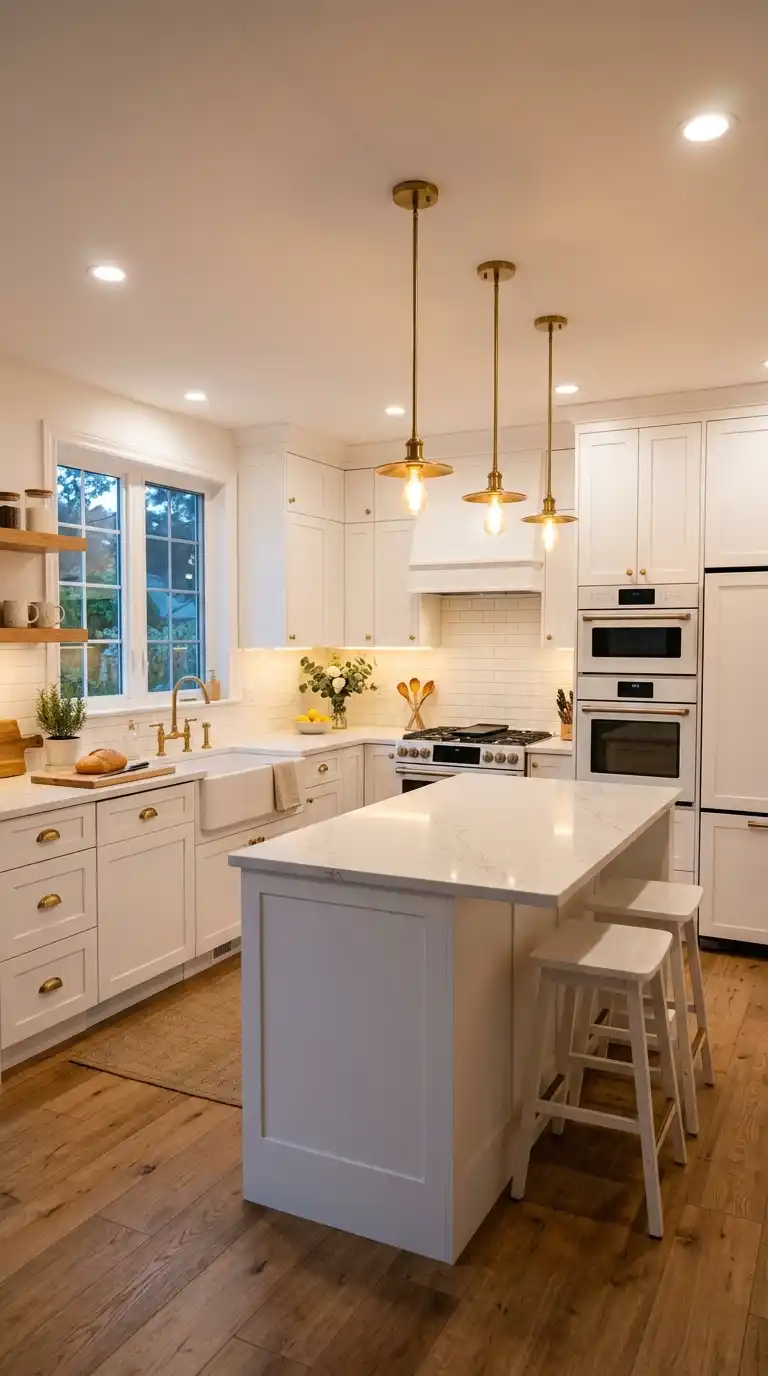
The quality of light in your kitchen dictates how all your color choices are perceived. Harsh, cool-toned fluorescent bulbs can turn an all-white room into a clinical environment.
Switching to warm-white LED bulbs instantly softens the entire space, casting a gentle, golden glow over your decor.
This welcoming illumination enhances the rich tones of your wood accents, metals, and colorful ceramics.
Integrating a vintage glass pendant light or a shaded chandelier above the island adds an elegant focal point.
Look for fixtures featuring milky white milk glass, ribbed textures, or subtle floral painted details.
During evening hours, placing a small, cordless lamp with a fabric shade on a corner of the counter creates an incredibly cozy ambiance.
This gentle layer of light transforms the workspace into a comforting retreat, making it the perfect setting for slow baking and long conversations.
Would you like some ideas on where to find the best vintage hardware, or help picking a specific pastel color palette for your kitchen?


