

Can You Deep Fry in Nonstick Pan? Yes—Here’S How

Can you deep fry in nonstick pan? Learn how to do it safely with the best oils, temperatures, and tips for crispy, perfect results every time.
Many home cooks wonder whether deep frying in a nonstick pan is a good idea, especially when compared to traditional stainless steel or cast iron cookware.
In this guide, we’ll explain how to deep fry in a nonstick pan, the best oils for deep frying, proper temperature control, and essential safety tips to prevent damage to your pan.
Whether you’re frying chicken, fries, or crispy snacks, learning the correct method for deep frying in nonstick cookware can help you achieve golden, crunchy results without compromising your pan’s nonstick coating.
Can you really deep fry in a nonstick pan?
Yes, you can, but it’s not the same as frying in a heavy-duty pot or a dedicated deep fryer. Nonstick pans excel at easy release and quick cleanup, not at staying perfectly stable with a mountain of hot oil.
If you’re trying to whip up a Friday-night batch of doughnuts or chicken wings, a nonstick pan can work for small, shallow fry jobs.
The key is to keep the oil level low and monitor the heat closely. It’s a compromise, not a miracle.
What makes nonstick good — and not so good — for frying
Pros:
- Easy cleanup: oil won’t cling as stubbornly to the sides.
- Less sticking: you’ll clean up after frying much faster.
- Comfortable handling: light pans are nicer to maneuver when you’re watching a simmering pot of oil.
Cons:
- Heat distribution can be uneven; hot spots can scorch or burn coatings.
- Most nonstick coatings aren’t designed for very high temps for long periods.
- Oil capacity is limited in a nonstick pan; you’ll be frying in smaller batches.
FYI: you’ll want to stay well below the smoke point of the pan’s coating. If you’re not sure, it’s smarter to use a dedicated fry pot with a high, stable edge.
The goal is to avoid breaking down the coating or warping the pan.
The right setup for shallow frying in nonstick
- Use a pan with a wide, flat base and straight sides. A 10–12 inch pan is a sweet spot for most home fry tasks.
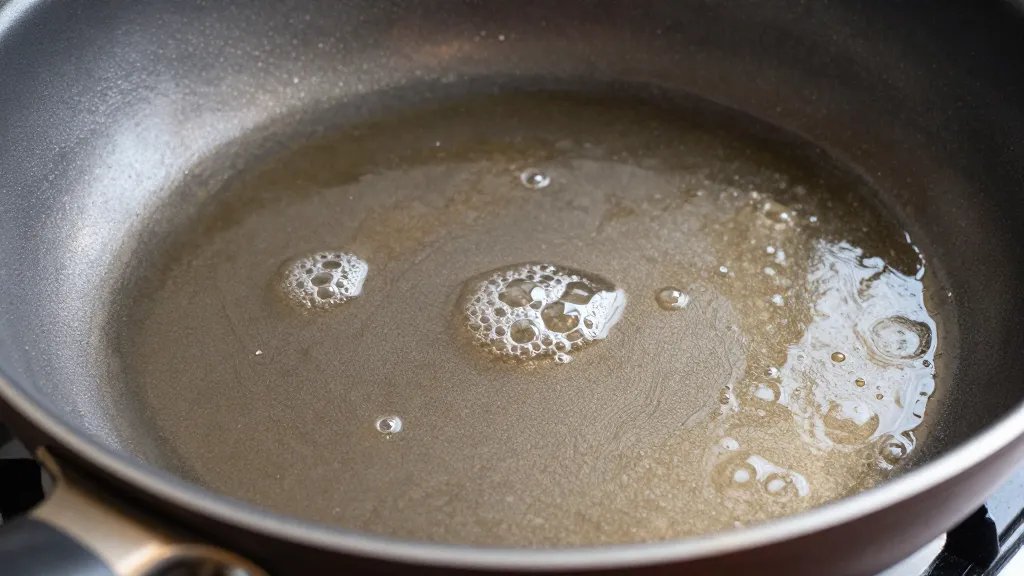
- Fill with enough oil to come about 1/3 to 1/2 inch up the sides. You’re not making soup; you’re frying small portions.
- Heat oil to the right temperature and keep it there. A dead simple test: drop a small piece of batter or bread crumb—if it sizzles and rises steadily, you’re good.
How to test the oil without a fancy thermometer
If you don’t own a candy thermometer, use the crackle test: a crumb should sink a little and rise quickly with a steady sizzle.
If it just smokes, you’ve overheated. If it’s not fizzing at all, it’s not hot enough.
Temperature matters: don’t wing it
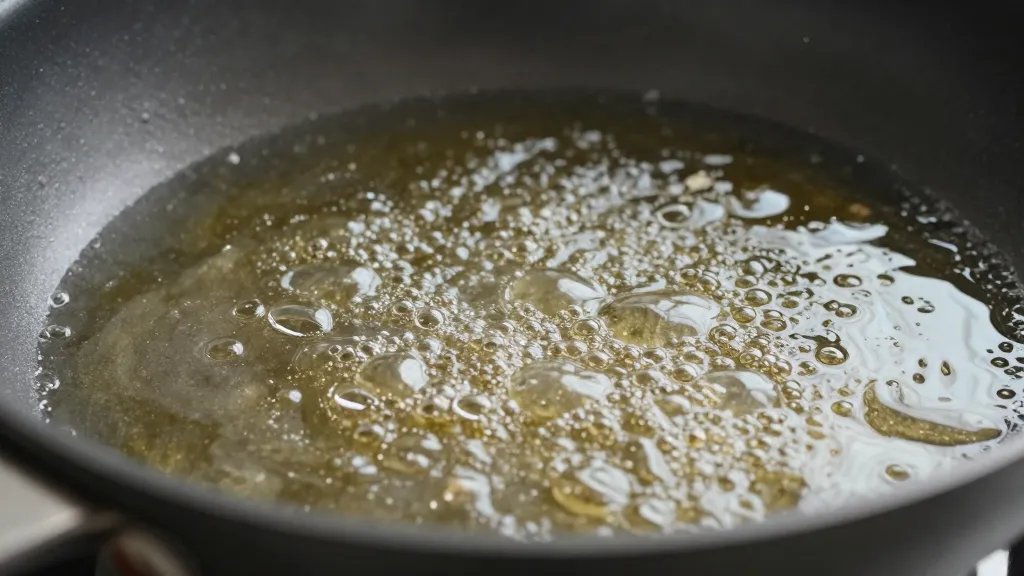
Temperature is the boss here. Too hot, and you’ll burn the coating or coat your food in greasy char.
Too cool, and you’ll soak up oil like a sponge. Aiming for 350–375°F (175–190°C) is a safe, practical range for most fried goodies in a shallow setup.
Simple temp-check tricks
- Use a thermometer if you’ve got one. It keeps you honest.
- If you don’t, do the bread crumb test at around 350°F. It should puff up and turn golden in about 60–90 seconds.
- Maintain heat by adjusting the burner in small increments. Consistency is your friend.
What to fry and what to avoid in a nonstick pan
Some items perform better than others when you’re coupling them with a nonstick surface for a fry job.
Good candidates
- Small bite-sized snacks (tempura veggies, small chicken bites, mozzarella sticks in shallow fry).
- Light batters that don’t cling hard to the coating.
- Pre-seasoned or lightly breaded foods that you’re sure won’t break apart.
Better kept away
- Very thin delicate batters that want to slide off the coating.
- Large, heavy foods that require a deep pool of oil and stable, even temperature.
- Long frying sessions. If you’re planing on long batches, you’ll overheat the coating and the pan.
Oil choice and safe handling in a nonstick pan
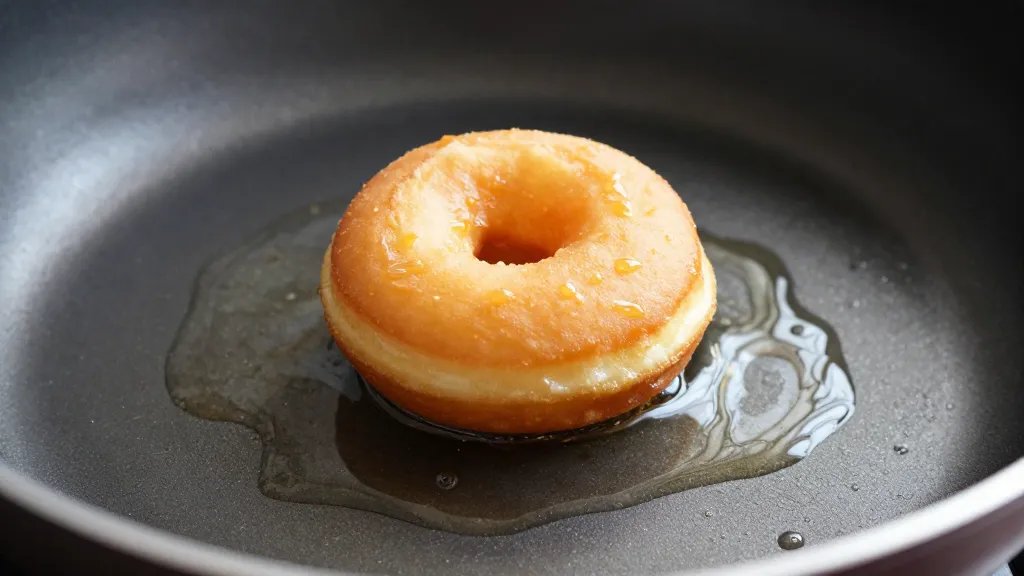
Oil matters more in shallow fry than you’d think. You want something with a high smoke point and neutral flavor.
Canola, peanut, or refined avocado oil are solid choices. Olive oil can be tricky because of its lower smoke point when overheated, and EVOO’s flavor can overpower delicate fried bites.
Safety habits you’ll thank yourself for
- Keep a splash guard handy or stand back a bit while the oil heats. Splatter happens.
- Never leave hot oil unattended. Accidents ruin both your kitchen and your mood.
- Have a plan for dealing with a small oil fire. A metal lid and a class-A fire extinguisher are ideal—never water on hot oil.
Cleanup and aftercare: your nonstick pan, not a burned-out relic
Cleaning up after a shallow fry in nonstick deserves its own micro-guide. Oil on a nonstick pan can be stubborn if you let it soak or scrub with abrasive tools.
Let the pan cool, wipe with a paper towel, then wash with warm water and mild dish soap. Avoid steel wool or harsh scouring pads that can scratch the coating.
If you’ve left oil residue, fill with warm soapy water and soak a bit before washing.
Maintaining nonstick health for frying
- Use wooden or silicone utensils to avoid scratching the surface.
- Avoid high heat for long periods; reserve high heat for your oil or the pan-bike ride you’re on.
- Regularly re-seasoning: not always required, but a light coat of oil rubbed into the surface after cleaning can help.
<h2 Alternatives that might be better long-term
If you’re planning to fry more often, you might want to consider a dedicated deep pot or an air fryer for a healthier, easier path.
Deep fryers come with built-in thermostats and baskets, which keep oil at a consistent temperature and reduce mess.
Air fryers offer a crisp texture with far less oil, which is great for accessibility and cleanup.
If you’re hooked on the flavor of fried foods, though, there’s no shame in sticking to a traditional setup with a sturdy pot and a thermometer.
Experimenting like a kitchen scientist (without setting off the smoke alarm)
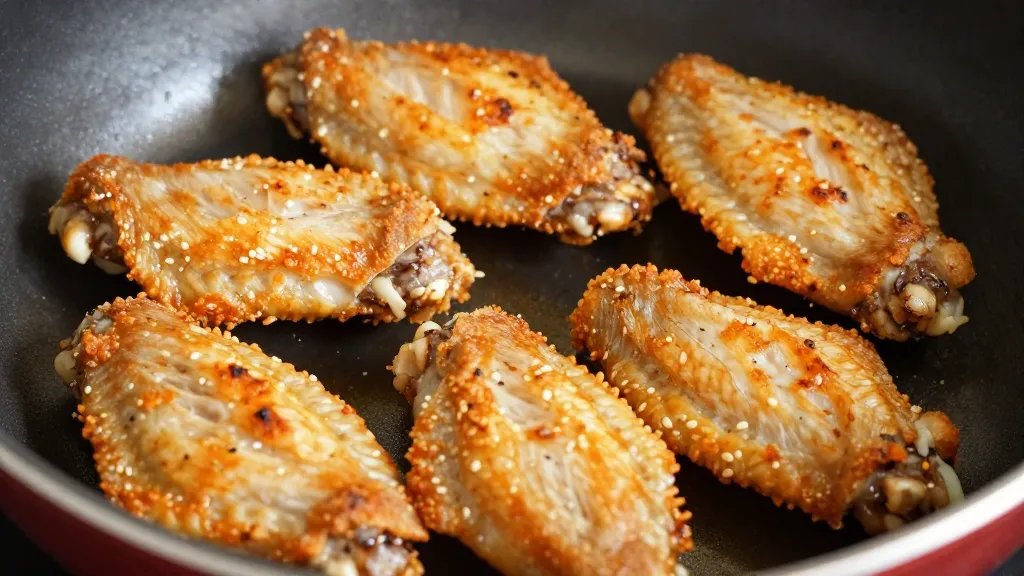
Start small and learn your pan. Fry a few test pieces and taste-test to nail the timing.
The more you fry, the better you’ll become at judging when to flip, when to pull, and when to call it a day.
IMO, the little experiments are half the fun. And if you burn something, hey, you learned not to do that again—no big deal.
Conclusion
Nonstick pans aren’t a magical frying pan, but they can handle shallow frying with a little strategy.
Keep oil shallow, monitor temperature, and choose your foods wisely. If you’re after big batches and deep, even crags of fry, a dedicated pot or fryer will serve you better.
For quick, small fry sessions and easier cleanup, a nonstick pan can absolutely do the job—just don’t pretend it’s a pro fryer.
FAQ
Is it safe to deep fry in nonstick cookware?
It’s safe for small, shallow fry tasks when you stay well below the coating’s heat limits and monitor the oil temperature closely. Avoid filling the pan deep with oil or leaving it unattended at high heat.
What’s the best oil temperature for shallow frying in nonstick?
Aiming for about 350–375°F (175–190°C) is a practical range. It gives a good balance between crispness and not overheating the coating.
Can I fry breaded chicken in a nonstick pan?
Yes, in shallow batches. Keep the oil shallow, use small pieces that don’t overwhelm the pan, and watch for even browning. If you’re making large batches, switch to a sturdier pot to maintain temperature.
What should I do if the coating starts to peel?
Stop frying and cool the pan. If you notice chipping or peeling, it’s best to retire the pan from high-heat cooking for a while. Consider replacing it to avoid coating bits in food.
Can I reuse oil after frying in nonstick?
Yes, but strain it through a fine sieve or cheesecloth to remove bits, store in a dark, cool place, and don’t reuse if you notice off smells or excessive foaming. Reusing oil too many times can degrade flavor and safety.


