

Can You Put a Pan on a Grill: Yes, and How to Do It Right

Ever wondered if you can just plop a pan on a grill and call it a meal? Spoiler: you totally can, with a few pro tips and a dash of common sense.
Griddling on a grill opens up flavors and textures you can’t get on a stove alone. Let’s dive in and keep the drama to a minimum.
Can you put a pan on a grill? Short answer: yes—and yes again, with caveats
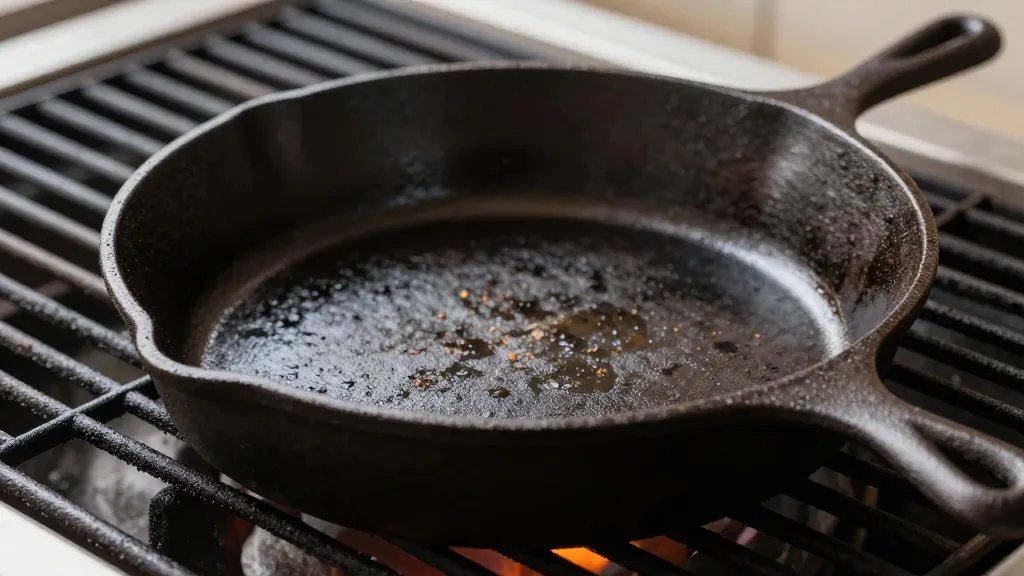
If you’re picturing flames licking the pan and chaos, breathe. You can absolutely use a pan on a grill, and it expands what you can cook beyond burgers and kebabs.
The trick is choosing the right pan, managing heat, and knowing when to go stovetop-style and when to go grill-side.
FYI, it’s a game changer for sauces, searing, and delicate items like fish.
Choosing the right pan for grill use
– Cast iron is the MVP: it heats evenly, holds heat like a champ, and can handle high temps. It’s basically barbecue armor.
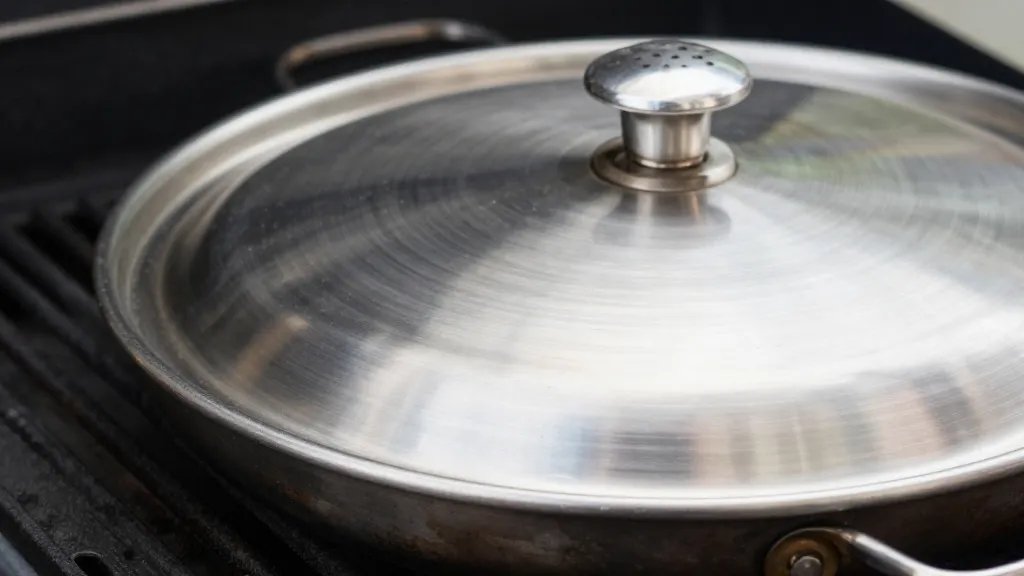
– Stainless steel is solid but needs a good heat ramp and a solid skillet lid for even cooking.
– Nonstick pans? They work, but not forever on high grill temps. If you do use them, keep temps moderate and avoid direct flame underneath.
– Size matters: you want a pan that sits flat and doesn’t rock on the grill grates. A wonky pan creates hot spots and uneven cooking.
What makes a pan grill-friendly?
– Stable bottom: flat, smooth, and doesn’t warp easily.
– Heat tolerance: look for handles that won’t melt and materials that survive grill temps.
– Lid compatibility: a pan with a snug lid or a foil tent helps with steaming and even cooking.
Heat control: drama-free grilling without burning the pan
Grills aren’t ovens, but they can work similarly with a little finesse.
– Preheat properly: give the pan time to come to heat before adding food.
– Learn zones: if you’ve got two zones (direct heat and indirect heat), you can sear, then move the pan for gentle finishing.
– Watch the flame: too high a flame under a pan can char the bottom or warp the pan. Medium to medium-high often works best.
– Handle management: use heat-proof gloves or tongs to reposition, and never use a raw-hand trick like grabbing a hot handle with bare skin.
Sausages, sauce, and sizzling sides: what to cook in a pan on the grill
The grill-pan combo expands your repertoire beyond direct grill marks.
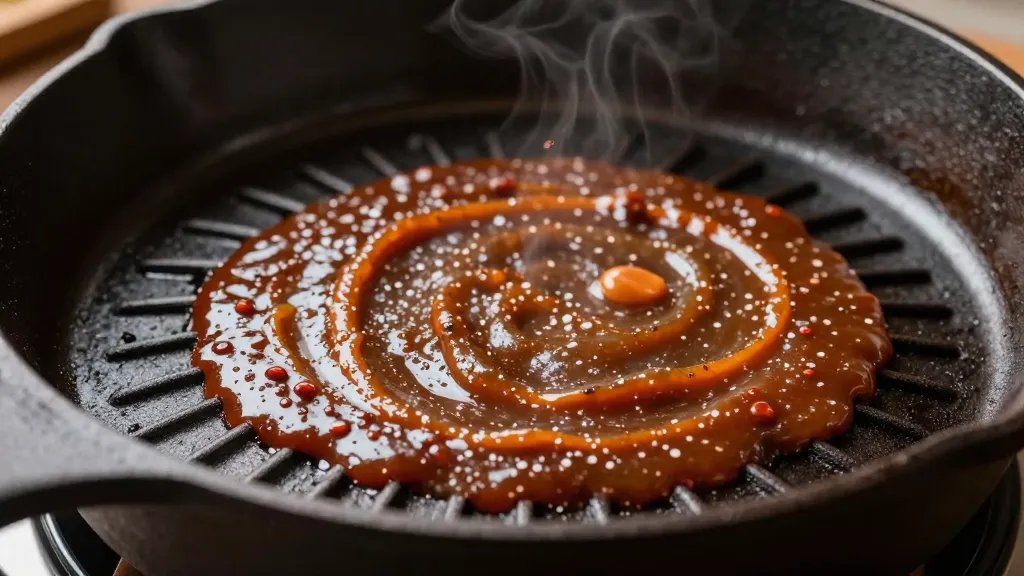
– Sauces: deglaze the pan after searing burgers or steak for quick pan sauces. The fond left behind is liquid gold.
– Searing and finishing: finish thicker cuts like chicken thighs or pork chops with a nice crust, then move to indirect heat to finish.
– Veggies: you can toss mushrooms, peppers, or zucchini in a pan on the grill for even caramelization.
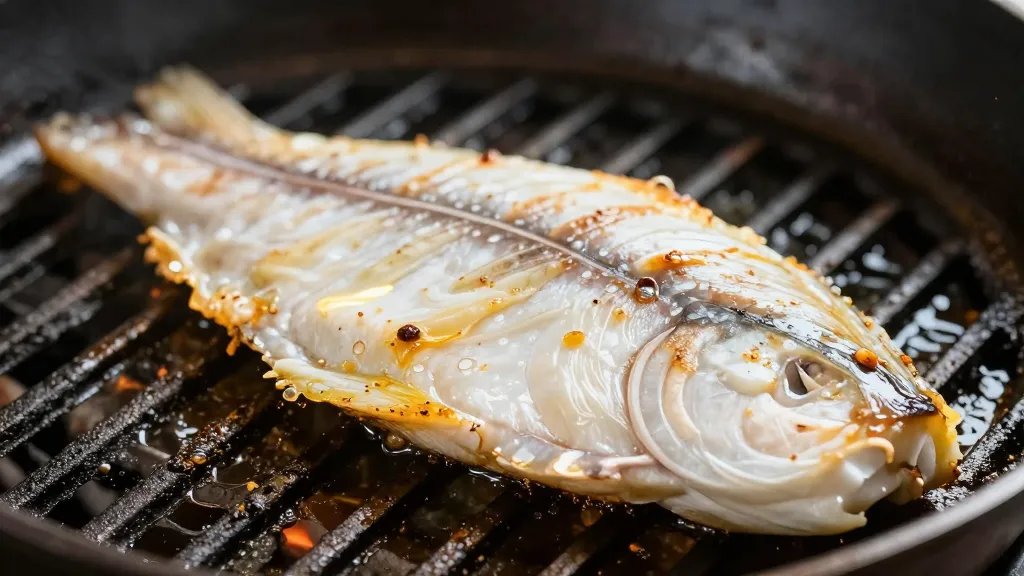
– Seafood: a well-seasoned cast iron pan makes seared fish or shrimp sing without sticking.
When to use a lid vs. no lid
– Lid on: more steam helps cook thick cuts through without burning the exterior.
– Lid off: better for a quick crust and for reducing sauces to a glossy glaze.
Practical pan choices for different grills
– Gas grills: steady temp, easy to control, great for cast iron and stainless steel pans.
– Charcoal grills: add a touch of smoky flavor to your pan-cooked dishes; cast iron shines here.
– Portable grills: tiny pans, big flavor—choose compact options with a stable base.
– Built-in grill pans: if you’re lucky enough to have one, use a grill-safe skillet and enjoy the seamless integration.
Cleaning and maintenance: keep your pan happy and non-stick longer
– Clean while warm: wash with warm, soapy water or using a stiff-bristle brush for cast iron after it cools.
– Dry immediately: prevents rust on cast iron; oil lightly to maintain seasoning.
– Seasoning matters: a well-seasoned pan resists sticking and loves grilling chaos.
– Avoid harsh abrasives: they strip seasoning and dull surfaces.
Common mistakes to dodge (so your dinner doesn’t become a charred legend)
– Ignoring heat zones: cranking one area while leaving another cold leads to uneven cooking.
– Using a fragile pan on a hot grill: you’ll warp it and ruin the coating.
– Neglecting oil management: not enough oil? food sticks. too much oil? flare-ups.
– Not planning sauces ahead: pan sauces cook fast; have stock, wine, or butter ready.
Safety first: handling hot pans on a grill
– Use long tongs and heat-proof gloves: hot steel is no joke.
– Keep kids and pets back: grill nights aren’t a playground.
– Don’t heat empty pans: you’ll warp the pan and waste fuel.
– Watch for flare-ups: fat in the pan can catch fire if you’re not paying attention.
Conclusion: embrace the grill-pan duo and level up your cookout
Putting a pan on a grill isn’t cheating at all—it’s a smart way to add texture, depth, and technique to your outdoor cooking.
With the right pan, controlled heat, and a little confidence, you’ll be swooping in with perfectly seared finishes, glossy pan sauces, and veggie caramelization you didn’t know you could pull off at the barbecue.
So next time you chef it up outside, grab a sturdy skillet, let the flames help you, and enjoy the extra flavor that comes from cooking with a pan on the grill.
FAQ
Can I use any pan on a grill?
Yes, but some pans perform better than others. Cast iron, stainless steel, and heavy-duty aluminum pans with sturdy handles are your best bets. Avoid ultra-thin nonstick pans on high heat for long periods, and always check manufacturer guidance for grill-use safety.
Will a pan ruin my grill or vice versa?
If you use a pan that fits well and you manage heat wisely, you’ll avoid damage. A warped pan is usually a sign of overheating, while uneven heat can stress grill grates. Keep temps in a reasonable range and you’ll be fine.
What foods are best for pan-on-grill cooking?
Think sear-friendly items: steaks, chicken thighs, pork chops, mushrooms, peppers, onions, and fish fillets. Saucy items benefit a lot too—think pan sauces that finish right on the grill.
Do I need to season a cast-iron pan for grill use?
If you’ve got a cast-iron pan with some seasoning, you’re good. If not, season it first. It builds a non-stick layer and helps maintain flavor, especially when exposed to high grill heat.
How do I clean and store a pan after grilling?
Let it cool, wash with warm soapy water (for most pans), dry thoroughly, and apply a light coat of oil to prevent rust on cast iron. Store in a dry place to prevent moisture buildup.
Is it better to start on direct heat or indirect heat when using a pan on the grill?
Both have their place. Start with direct heat for searing to get that crust, then move to indirect heat to finish cooking through without burning the outside. It’s all about balance.


