

What Is a Dark or Coated Pan? Unveil the Secret to Perfect Searing

Cooking tools nerd out, but in a fun way. A dark or coated pan isn’t just a fashion statement in your kitchen—it’s a secret weapon for better-looking browns and easier cleanups.
Let’s demystify what makes these pans tick and how to use them without turning your stove into a chemistry lab.
What is a dark or coated pan, really?
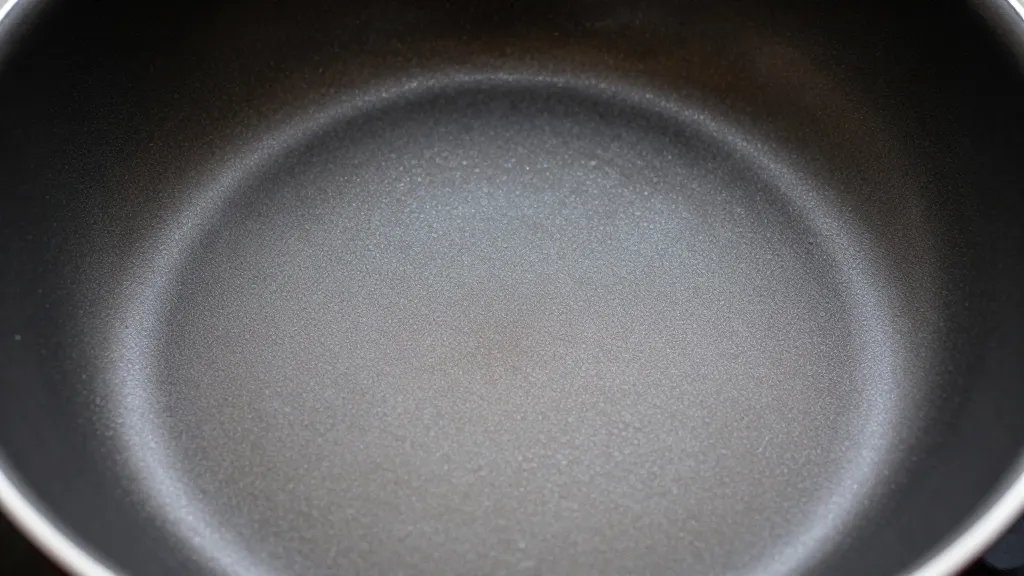
If you’ve walked past a cookware aisle with a puzzled look, you’re not alone. A dark pan usually means a nonstick or seasoned surface with a deeper color, often black or dark gray.
A coated pan wears its protection on its sleeve: a slick nonstick layer, a ceramic coating, or a hybrid finish. The goal? Prevent sticking, reduce fat, and make cleanup less of a spa day for your sink.
Bottom line: dark or coated pans are designed to glide food off the surface with less oil and fewer scraps left behind. They’re the friendly, low-effort option for weeknights and delicate textures.
What’s inside matters: types of coatings
There are a few main flavors of coatings, each with its quirks.
- Nonstick (classic Teflon-style): Easy release, minimal oil, quick cleanup. Overheating and scratching can shorten life, so treat it gently.
- Ceramic coatings: Ceramic-infused surfaces that resist sticking and can handle higher heat, but may wear faster with metal utensils or abrasive cleaners.
- Hybrid and reinforced coatings: A mix of materials designed to resist scratches and improve durability. They’re the “best of both worlds” for most home cooks.
- Darkened steel or carbon steel with seasoning: Not technically coated, but you’ll get a dark patina that develops with use. Great heat response, but it requires seasoning and some love.
So, which is best for you?
If you’re lazy about oil, nonstick or ceramic is your friend. If you crave a skillet that can handle high heat and a serious sear, carbon steel or cast iron sit in a different lane. FYI, you’ll get different flavors and textures from each, so your choice should match what you cook most.
Why the color matters: heat, browning, and sticking
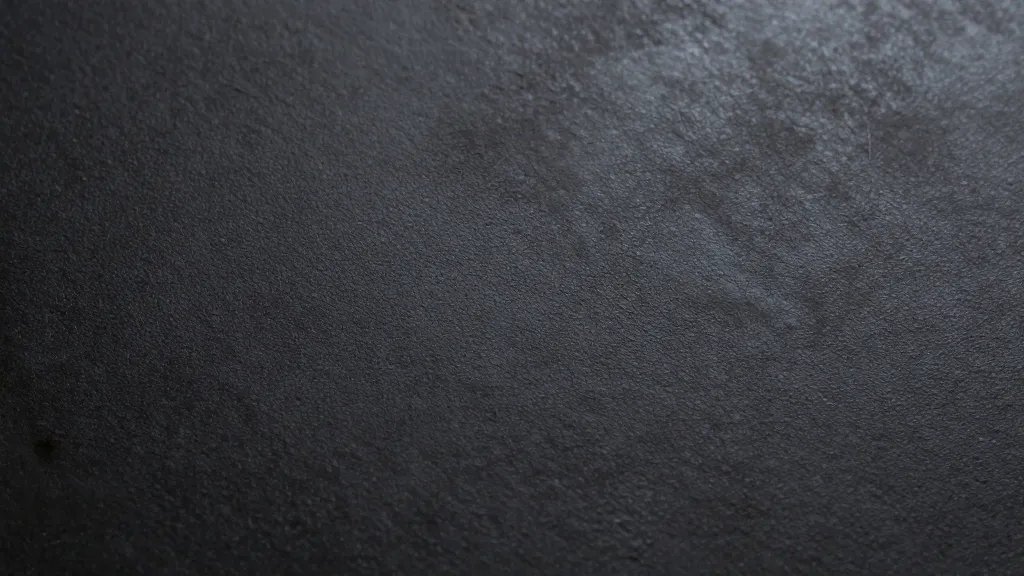
Color isn’t just aesthetic. Dark finishes absorb heat differently and influence how your food behaves.
- Heat distribution: Dark pans can heat more quickly and evenly in some spots, but hot spots still show up. Don’t leave a pan unattended just because it looks like it’s cooking itself.
- Browning vs. sticking: Nonstick surfaces reduce sticking, which means less agitation is needed. For browning, you’ll still want a hot surface and a bit of patience to form a crust before flipping.
- Durability: The darker finish may scuff or wear with metal utensils, depending on the coating. Use wooden or silicone tools if you value longevity.
Want extra crispy results?
Preheat properly, pat proteins dry, and give them space. The pan’s color is a cue, but technique wins the sear game.
Taking care of your dark or coated pan
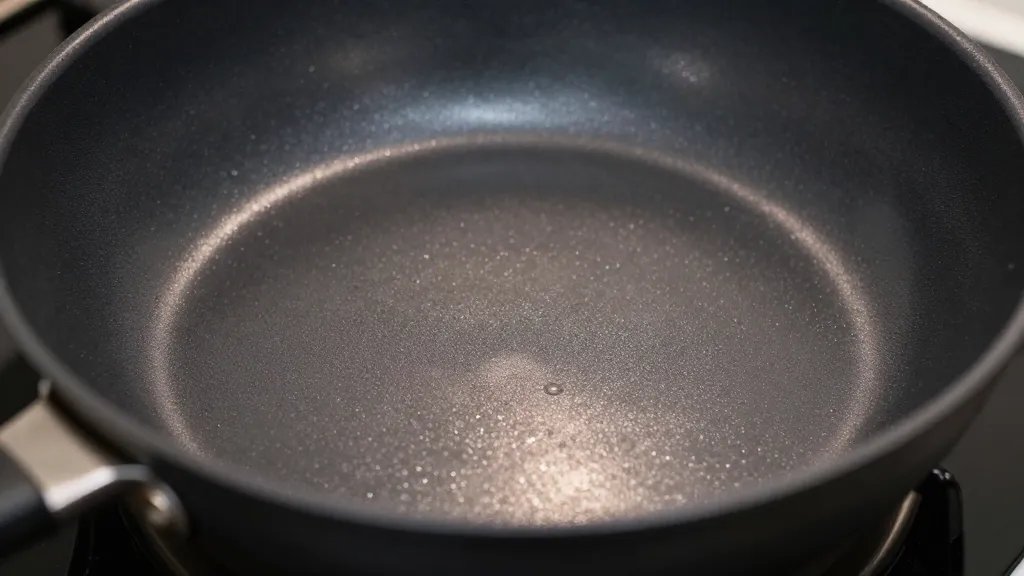
Yes, maintenance matters. No, you don’t have to nurse it like a plant.
- Seasoning vs. factory coatings: Some pans come preseasoned and ready to go; others need a light oil “seasoning” to build a natural nonstick layer. Follow the manufacturer’s directions.
- Avoid high heat abuse: Especially for nonstick coatings, extremely high heat can degrade the surface. Save the mega heat for pans designed for it, like carbon steel or cast iron.
- Utensils matter: Use silicone, wooden, or plastic for nonstick. Metal utensils can scratch and shorten the life of the coating.
- Cleaning protocol: Let the pan cool, rinse, and use a soft sponge. Avoid abrasive pads on coated surfaces. For stubborn gunk, soak briefly or use a gentle dish soap. FYI, vinegar can help with mineral deposits but check your coating’s guidance first.
Do’s and don’ts to extend life
Do: dry thoroughly, store upright, and reapply a tiny bit of oil after cleaning if your surface isn’t fully nonstick. Don’t: stack with rough surfaces, bash it with metal scrapers, or microwave your coated pan (we’ve all tried).
Cooking tricks that make coated pans shine
These pans aren’t magic, but a few tricks help you maximize their strengths.
- Preheat smartly: A minute or two on medium heat is usually plenty. You’re not searing a meatloaf, you’re warming surface chemistry and creating a nonstick barrier.
- Oil matters, not a flood: A thin film works best. Too much oil can fry your food instead of letting it brown, and it won’t help you get that crisp crust you’re after.
- Patience pays off: Don’t rush flipping. If food sticks, it’s usually not ready to release yet.
- Appropriate heat for the job: High heat for searing delicate fish? Not ideal on some coatings. Move to medium-high and keep an eye on heat fluidity.
What about oven use?
Many coated pans tolerate oven use to a point. Respect the manufacturer’s max temperature. If you need a two-pan strategy, finish dishes in the oven and then saucy up the final dish on the stove.
Seasoning, patina, and the “nonstick myth”
There’s a vibe that coated pans “don’t need maintenance.” Not true, friend. Even nonstick coatings age, and some folks love a seasoned surface on certain pans.
- Seasoning isn’t a dirty word: For some carbon steel or cast iron pans, seasoning creates a protective, nonstick-like patina. It’s a ritual, but not always necessary for coated surfaces.
- Patina isn’t magic for coated pans: Dark coatings aren’t just about color. They’re designed to keep food from sticking, but patina in carbon steel is a different beast entirely.
- Replacement horizon: Coatings wear out. If you start seeing peeling, chipping, or a grayish film that won’t clean, it’s time to retire the pan or replace the coating.
How to tell it’s time to retire a coated pan
If food keeps sticking despite good technique, the coating is showing wear. If you notice flaking or odd odors during cooking, stop using it. Safety first, and your stomach will thank you.
Choosing the right dark or coated pan for you
You’re not buying a fashion accessory; you’re picking a workhorse.
- Kitchen style and cooking style: If you sauté a lot of veggies, a reliable nonstick or ceramic-coated skillet can save you from tears (and oil splatter). If you’re into high-heat searing, look at carbon steel or well-seasoned cast iron in a dark finish.
- Maintenance tolerance: Do you want something that’s forgiving and easy to clean, or are you up for a little routine maintenance for a longer-lasting surface?
- Budget and warranty: Coatings range from budget to premium. A good warranty often hints at how long the coating is likely to last with normal use.
Pro-tip shopping list
– Nonstick or ceramic-coated skillet, 8-12 inches, for everyday cooking
– A sturdy carbon steel or cast-iron pan for searing and versatility
– Tools: silicone or wooden spatulas to protect coatings
– Mild cleanser and nonabrasive sponge for easy cleaning
Conclusion
Dark or coated pans aren’t a single trick pony. They’re versatile, friendly to beginners, and surprisingly capable when used the right way.
They help you cut down on oil, stage quick weeknight meals, and clean up without turning your sink into a crime scene.
IMO, the best part is that they invite experimentation—crisping veggies, delicate fish, or a glossy pan sauce without fuss.
FAQ
Are dark pans better than light pans?
Light pans don’t inherently cook worse, but dark finishes can heat more quickly and show browning sooner. It’s not a universal win; it’s about matching the pan to what you cook and how you cook it.
Can I put a coated pan in the oven?
Most coated pans are oven-safe up to a limit printed on the bottom. Check the manufacturer’s guidance. If in doubt, keep it under a moderate heat and avoid going past the recommended max.
What’s the difference between nonstick and ceramic coatings?
Nonstick coatings (often PTFE-based) prioritize easy release at lower to moderate heat. Ceramic coatings are typically more heat-tolerant and can handle higher temps but may wear faster if abused.
Should I replace my pan if the coating starts peeling?
Yes. Peeling coatings can shed into food and degrade performance. Replace or consult the manufacturer for options; don’t keep using a damaged pan.
How do I extend the life of a dark or coated pan?
– Use gentle utensils and avoid metal scrapers
– Clean with warm, soapy water and a soft sponge
– Don’t overheat empty pans; preheat gently
– Dry thoroughly and store properly to prevent scratches
If you’re still deciding between a nonstick wonder and a sturdy carbon steel workhorse, try layering strategies: start with a nonstick skillet for delicate foods and keep a carbon steel pan ready for searing and building flavor.
You’ll have a dynamic duo that covers most weeknight missions without drama.
FYI, the right pan won’t just cook; it will make you smile a little when you flip that first perfectly released pancake.


