

How to Keep Cake From Sticking to Pan Without Tears and Tears

Here is the guide for how to keep cake from sticking to pan is one of the most searched baking concerns, and mastering simple techniques like proper pan greasing, flour dusting, parchment lining, and correct cooling time can ensure your cake releases perfectly every time without cracks, crumbs, or frustration.
It’s heartbreaking when a perfectly baked cake pulls a disappearing act from the pan.
You lift, you wiggle, you pray to the baking gods—only to find a crumbly exit left behind. Let’s fix that and keep your cake smiling in one clean lift.
Grease and flour differently: the tried-and-true base
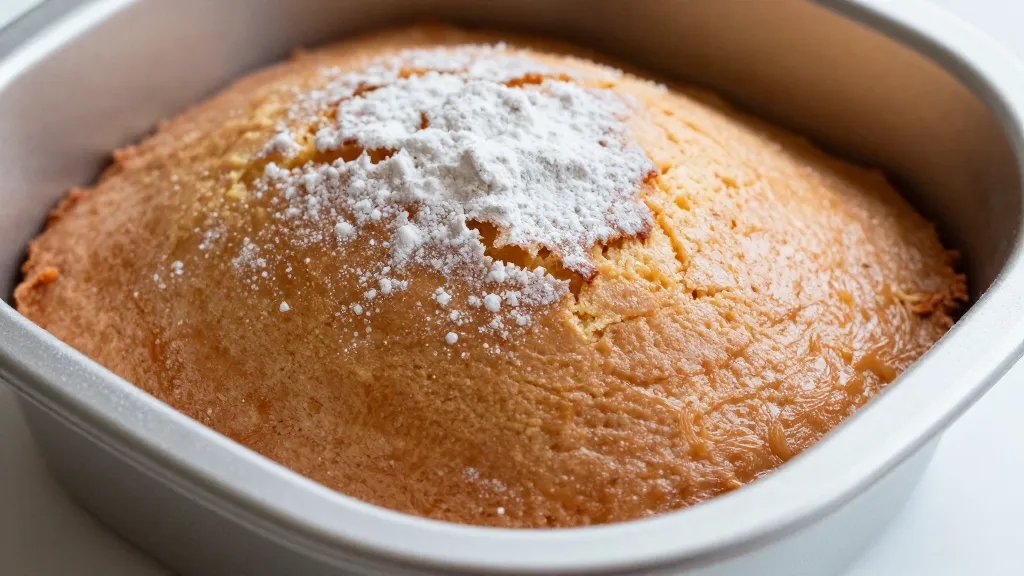
Everyone has their go-to method, and that’s totally fine. The trick is layering so the cake has something to “unstick” from.
- Butter or oil first: Use softened butter or neutral oil to coat every nook and cranny. Don’t skip the sides—the cake will thank you later.
- Flour or cocoa for chocolate cakes: Dusting with flour traps any extra moisture and gives a tiny grip. For chocolate cakes, a light dusting of cocoa works even better to avoid white specks.
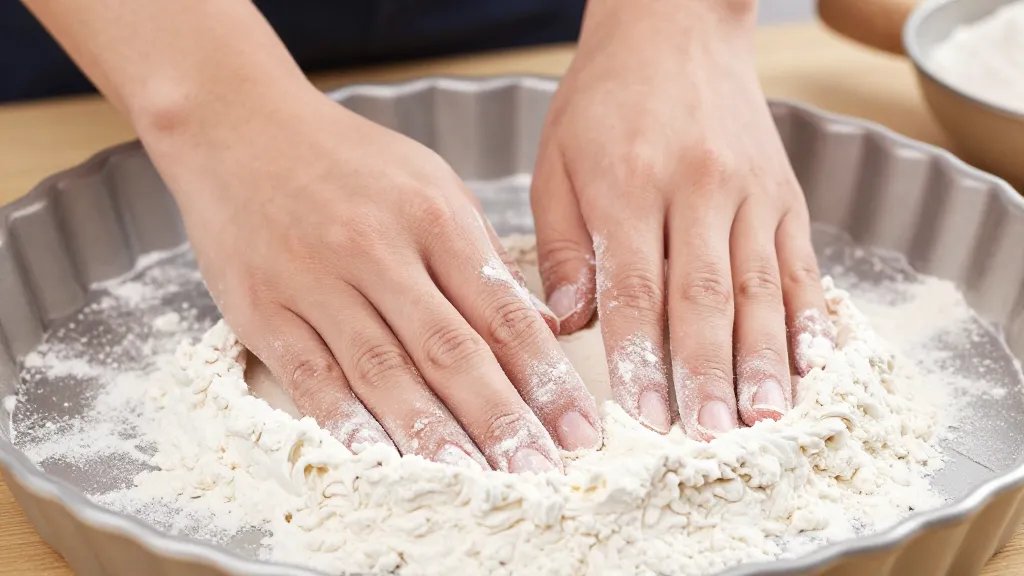
- Tap, don’t pour: After flouring, gently tap the pan to distribute evenly. If you see any bare spots, add a pinch more coating there.
Line the pan properly: the liner mindset
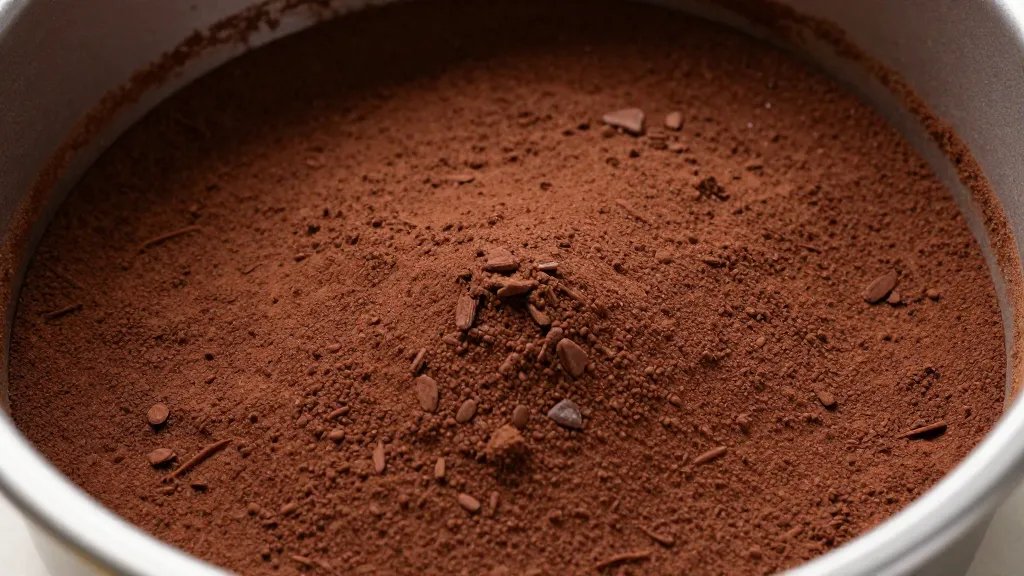
A solid line does wonders. It’s the difference between a clean release and a nightmare de-pan.
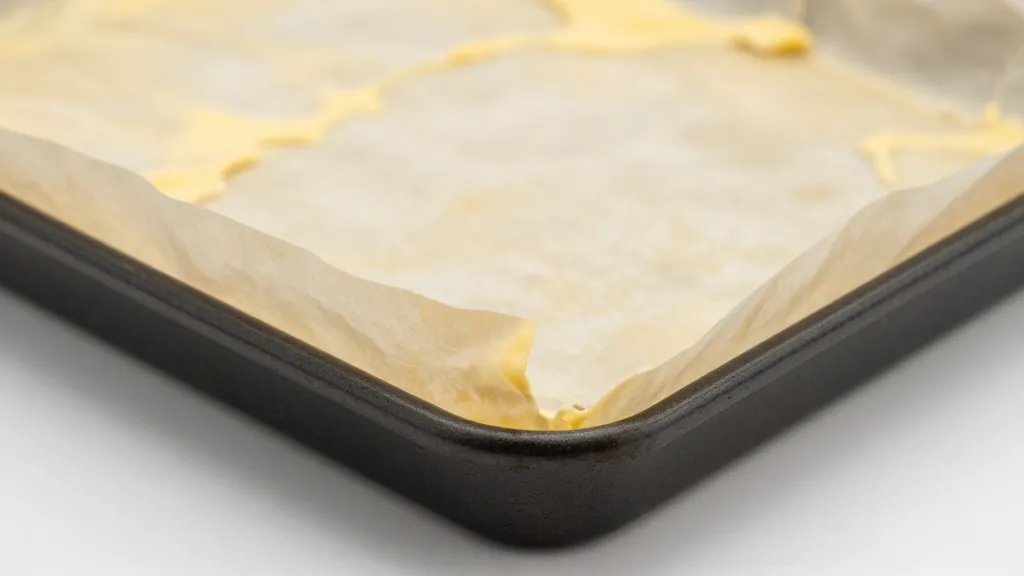
- Grease-and-flour method extended: Line the bottom with parchment paper, then grease the sides once more. This double layer is a superhero shield.
- Parchment paper for the win: Trace the pan, cut the circle, and snap it in. Cut a strip for the sides so the cake never sticks to metal.
- Nonstick sprays have quirks: They’re convenient, but some sprays leave a tacky residue. If you use them, wipe a thin layer and give it a minute to set before pouring batter.
Temperature and batter: timing is everything
Your oven can be dramatic. Too hot or too cool equals sticking chaos.
- Preheat like a boss: Give the oven time to reach the temp before you bake. Cold batter + hot pan = heartbreak.
- Even heat is your friend: If your oven runs hot on top or bottom, rotate the pan halfway through baking to keep things even.
- Cool properly after baking: Let the cake rest in the pan for 10 minutes, then invert onto a rack. If you’re in a rush, a gentle nudge with a thin knife around the edge helps loosen without breaking it.
The power of preparation: pan prep details
Small steps, big payoff.
- Edge emphasis: Use a small amount of fat on the very edge where the cake climbs out. A little extra at the edges helps the escape route.
- Seasoned pans aren’t just for dirty jokes: If your pan is well-seasoned from use, it’ll release easier. If not, a quick spray and a light flour dusting still does wonders.
- Nonstick pans aren’t magical: Even they need love. Don’t skip the parchment for delicate cakes or high-sugar batters.
Alternative strategies: quick fixes for stubborn cakes
If your cake still sticks like a clingy ex, try these savvy moves.
- Ice cream scoop magic: A tiny smear of butter around the edges after baking can loosen the crust for a clean release.
- Let it settle: If it seems stubborn, give it an extra five minutes in a warm oven (not hot) with the door closed to help the edges release a bit more.
- Turn and tap: Place a cooling rack on top and invert the cake with a confident, clean motion. If it sticks, a small knife around the edges can salvage the situation without breaking the cake.
When to use parchment sheets: a deeper dive
Parchment sheets aren’t just pretty paper. They’re a shield for your cake’s dignity.
- Single sheet bottom: A full-circle bottom parchment ensures a clean lift—no more crusty bottoms sticking to the pan.
- Two-sided advantage: If you’re nervous, use a sheet on the bottom and a strip along the sides for extra grip.
- Heat tolerance: Most parchment can handle typical cake temps. If you’re baking at unusually high temps, check the parchment packaging for max temp.
Choosing the right fat: butter vs oil vs spray
The fat you pick changes how easily the cake releases.
- Butter for flavor, oil for moisture: Butter gives a nice flavor but can brown and stick a bit; oil coats evenly and releases cleanly in many cases.
- Spray with a catch: If you use spray, supplement with a light dusting of flour or cocoa to prevent a sticky surprise.
- Combination approach: A thin butter layer followed by a light spray or flour dusting can be the best of both worlds.
Common culprits and how to outsmart them
Some cake-making villains show up more than you’d want. Here’s your battle plan.
- Too much sugar in the batter: Sugar can create a crust that clings. Mix until smooth, don’t overbeat. IMO a gentle mix keeps things friendly.
- Overfilling the pan: If the batter climbs too high, it’s more likely to stick during edges. Fill to about 2/3 of the pan.
- Dense batters: Denser batters need a thorough grease-and-lining routine. Don’t skip the parchment just because you’re saving a step.
Concluding note: keep it simple and consistent
The simplest recipe for success is consistency: prep your pan the same way each time, and your cake will consistently release.
No drama, just dessert. FYI, practice makes perfect, so don’t sweat a small failure—learn from it and tweak your method next time.
FAQ
Will silicone pans help or hurt with sticking?
Silicone pans release cakes quite well in many cases, but they can sometimes cling to darker batters or have uneven release. If you use silicone, still line the pan or grease generously to minimize surprises. IMO silicone is great for flexible releases but not a license to skip prep.
Is parchment paper always necessary?
Not always, but it makes life easier, especially with delicate cakes or sticky batters. If you’re in a pinch, a well-greased and lightly floured pan can work, but you’ll thank parchment when you’re lifting the cake in one piece.
What’s the best way to release a cake that’s stuck?
Run a thin knife or spatula around the edge to loosen, give it a few gentle taps on the pan, and flip onto a cooling rack or plate. If needed, reheat the bottom slightly to help loosen. Patience wins here.
How do I know if I’ve put enough lining on the pan?
If you can see bare metal in any corner after greasing and lining, you haven’t put enough. Aim for a thin, even coat of fat and a layer of parchment that covers every surface the batter might contact.
Can I adjust for different cake types?
Yes. Denser cakes (like pound cake) benefit from extra grease around the edges and a parchment liner. Light, fluffy cakes (like chiffon) usually release more easily but still benefit from parchment and light flour dusting to prevent sticking at the edges.


