

Sheet Pan Vs Cookie Sheet: the Quick Hack for Perfect Bakes

Sheet pan vs cookie sheet—discover the key differences, baking uses, heat distribution benefits, and quick hacks for perfect bakes every time with this essential kitchen guide.
The first time I swapped a sheet pan for a cookie sheet, I felt like I’d unlocked a secret cooking level. Turns out, the difference is practical, not magical.
Let’s clear the confusion once and for all—what’s the real deal between sheet pans and cookie sheets, and when should you reach for one over the other?
What exactly is a sheet pan, and what makes a cookie sheet different?
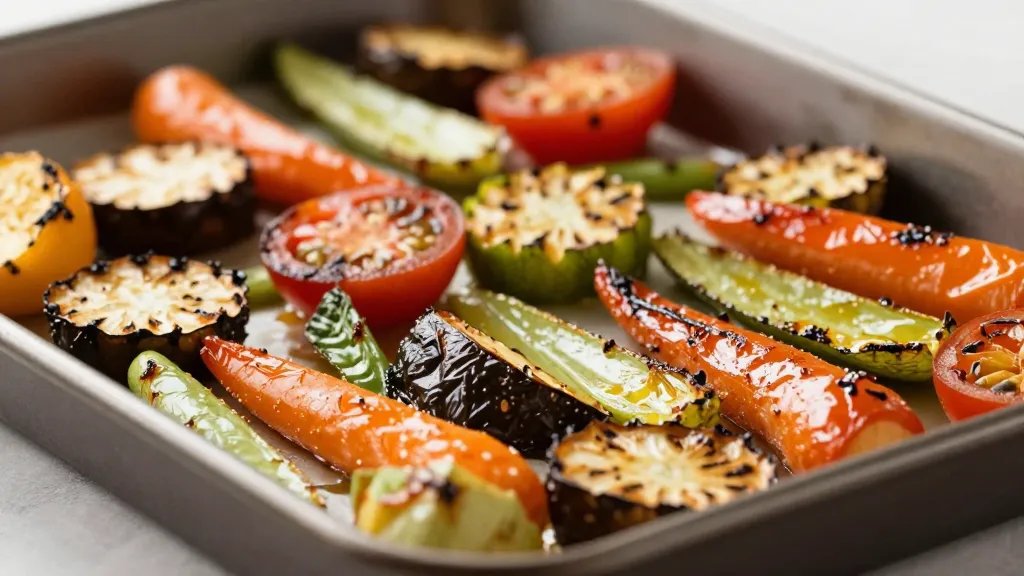
If you peek into most kitchens, you’ll see two main players: sheet pans and cookie sheets. But they’re not interchangeable props in a pantry Oscar ceremony.
– Sheet pan: A sturdy, usually rimmed baking tray. Think of it as the all-purpose workhorse. It can handle roasting veggies, baking sheet-pan dinners, and tray-bakes without flinching.
– Cookie sheet: A flat-ish tray with no or minimal rims. It bakes cookies like a dream, but it can also act as a grill for other delicate items. The missing edge means hot air can circulate more freely around the cookies.
Why does this matter? The rim and the construction directly affect air flow, heat distribution, and how much liquid escapes or stays put. In short, one is built for robustness; the other for evenly shaped, edge-crisp results.
Rim round-up: why rims matter, and how they change results
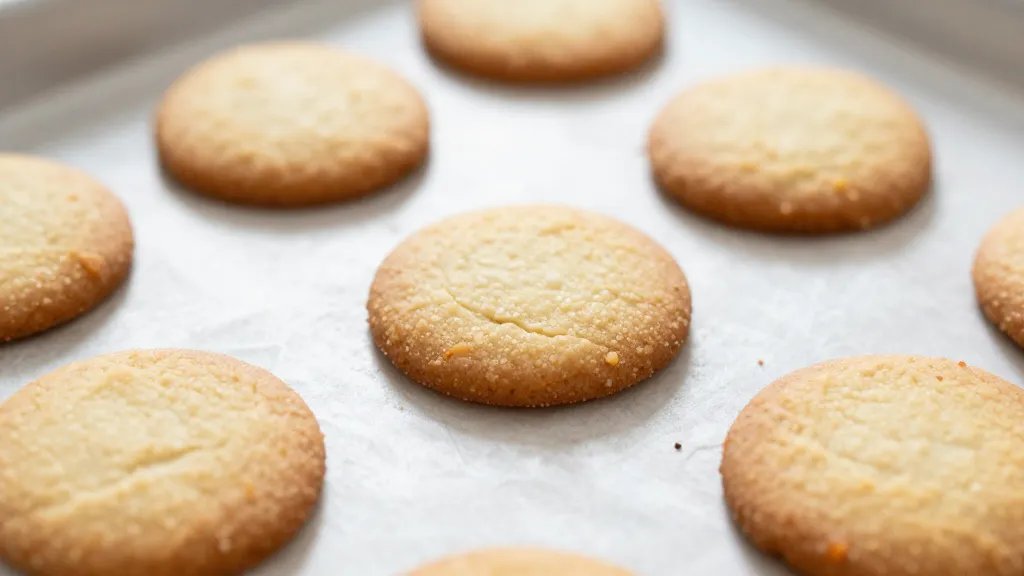
Rims are not just cosmetic. They govern how much air can circulate and how far your food can lean toward the edge of the tray.
– With high rims (sheet pans), you trap heat more evenly around bulkier, juicier items. This is great for roasting and sheet-pan meals.
– With low or no rims (cookie sheets), air can circulate under and around cookies. This helps cookies spread and toast evenly, but it can also lead to more spillover if you’re roasting something with juices.
Quick takeaway: if you’re roasting broccoli and potatoes, grab a sheet pan. If you’re baking a batch of chocolate chip cookies, a cookie sheet is your best friend. If you’re multitasking? Use a rimmed sheet pan for sturdiness, and keep an eye on anything with a lot of juice.
Heat and airflow: who wins at even cooking?
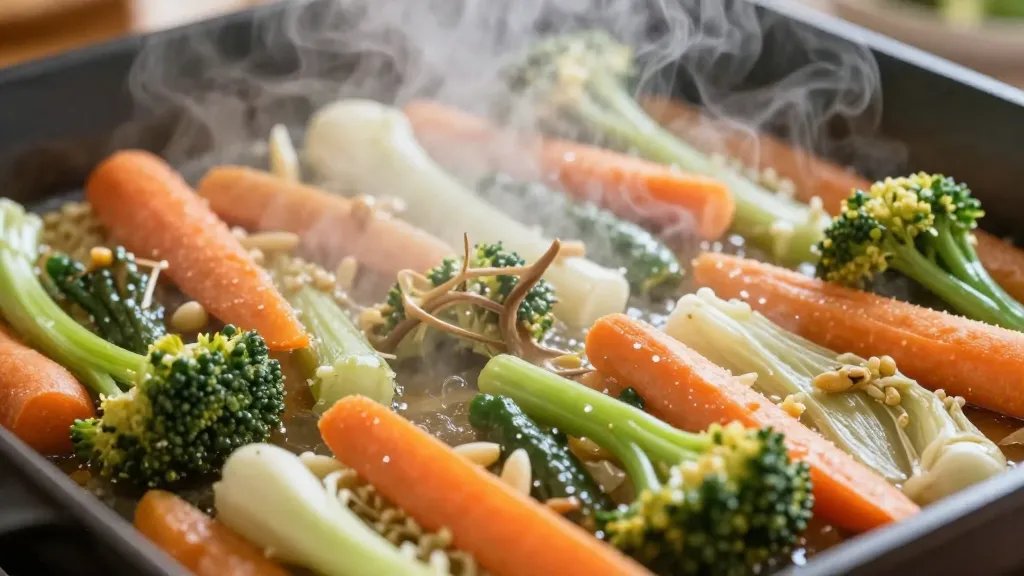
Heat distribution isn’t magic; it’s geometry and material. Most sheet pans are aluminized steel or heavy-gauge steel. Cookie sheets often use lighter gauge steel or aluminum.
– Heavier gauges resist warping and retain heat longer. That helps with even browning on big sheet-pan meals.
– Lighter gauges heat up quickly but can warp if you’re not careful or if you crash-heat something at a high temp.
Pro tip: preheat your pan for a minute or two before loading it. It jumpstarts browning and reduces sticking, especially with a sturdy sheet pan. FYI, parchment paper can save you from stuck-on-cleanup chaos.
When to choose a sheet pan vs a cookie sheet
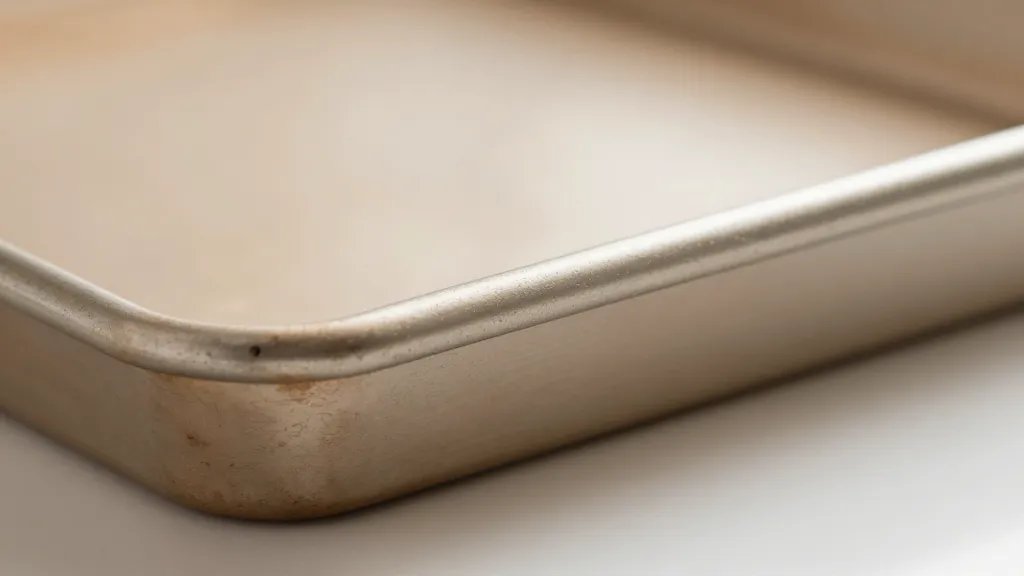
This is where the rubber hits the baking sheet.
– Choose a sheet pan when you’re roasting vegetables, making sheet-pan dinners, or cooking multiple proteins on one tray. Its sturdiness keeps it steady and makes cleanup easier.
– Choose a cookie sheet for cookies, croissants, or items that need a delicate touch and even edge-to-edge browning. It’s also handy for thin, crisp items like tortilla chips or baked parmesan crisps.
If you’re short on space, a good compromise is a half-sheet pan (roughly 18 by 13 inches). It’s the sensible middle ground for many home cooks.
Care and maintenance: keeping your pans happy
Your pans deserve a little love. Here’s how to keep them thriving.
– Cleaning: Avoid abrasive sponges that scratch the finish. A gentle scrub with dish soap and warm water works wonders. For stubborn stains, a paste of baking soda and water can help without scratching.
– Stain management: Dark spots aren’t the end of the world; they’re a badge of honor from countless sheet-pan dinners. If you want them to look pristine, soak with warm soapy water and wipe clean.
– Warping: If your pan warps, don’t panic. It’s usually a sign of heat shocks or sudden temperature changes. Try not to expose it to cold water right after a hot bake. If it’s minor, it’ll still do its job.
Pro tip: line with parchment or a silicone baking mat when possible. It cuts cleanup time and preserves the surface.
Recipes and experiments: how I actually use them
Let’s get practical with a few ideas.
– Sheet-pan supper: Toss broccoli, red onions, and thighs with olive oil, salt, and paprika. Roast at 425°F for about 25-30 minutes. Crisp edges, juicy centers, no extra pans to wash.
– Cookie-sheet cookies: Cream butter and sugar, fold in flour and chips, portion onto a lined sheet. Bake at 350°F for 9-11 minutes. Edges golden, centers chewy, a small victory dance in your kitchen.
– Quick crisping: If you want crisp roasted chickpeas or cinnamon-sugar nuts, a cookie sheet with a thin layer of oil can be your go-to for quick, crisp results.
Common mistakes and how to avoid them
We all mess up sometimes—here are the usual suspects and fixes.
– Overcrowding: On any pan, overcrowding causes steaming rather than roasting. Give things some space.
– Wrong sheet for the job: A cookie sheet isn’t ideal for roasting large vegetables. Opt for a sheet pan for that job.
– Using the wrong temperature: Cookies require slightly lower temps than roasting veggies. Don’t bake cookies at 450°F; you’ll end up with char and disappointment.
Frequently asked questions
Can I use a cookie sheet to roast vegetables?
Yes, you can, but it’s not ideal for larger batches. The lack of rims means vegetables can slide and steam rather than roast evenly. If you must, keep things small in quantity and keep an eye on doneness.
Is a sheet pan the same as a rimmed baking sheet?
Often, yes. In most kitchens, a sheet pan refers to a rimmed baking sheet. Some brands market “sheet pan” and “rimmed baking sheet” interchangeably. Always check the product details if you’re shopping.
What’s the best pan for cookies—golden edges or chewy centers?
For chewy centers and even browning, a cookie sheet shines, especially if you chill the dough and avoid overcrowding. For crisper edges, a light spray of oil and a hot oven helps, but avoid over-baking.
Can I replace one with the other in a recipe?
Sometimes, but results will vary. If you substitute a sheet pan for a cookie sheet, your cookies might spread more and brown faster due to more surface area. If you substitute cookies for sheet-pan veggies, you could miss out on even roasting and edge caramelization.
How do I prevent sticking?
Line with parchment paper or a silicone mat. A light spray of nonstick spray can help, but parchment plus a little fat in your recipe tends to work best. Clean-up stays happier when nothing sticks.
Are there materials I should avoid?
Avoid cheap, flimsy sheets that warp easily. Stainless steel with a good coating can be a nice middle ground, but most bakers love sturdy aluminum or aluminized steel for even heat. If a pan warps, it’s not the end of the world, but replace it when you can.
Conclusion
If you’ve ever stared at your kitchen gear and asked, “Which pan should I grab for this?”, you’re not alone. Sheet pans and cookie sheets each bring their own vibes to the table.
One is built for sturdy roasting and big batches; the other is tuned for even cookie edges and delicate, quick bakes. The more you bake, the more you’ll instinctively reach for the right tool in the moment.
So next time you’re planning a sheet-pan dinner, don’t muddle it with a cookie sheet. And when your cookies start to look like tiny masterpieces, resist the urge to grab a roasting tray for the upgrade.
Your food—and your taste buds—will thank you. IMO, having both is basically kitchen gold. Happy baking, friends.


