

Is Your Herb Garden Design Efficient for Daily Cooking?

Culinary enthusiasts frequently dream of a lush countertop oasis. They want to reach out while a pan sizzles and pluck fresh, fragrant leaves directly into their meals.
This seamless transition from plant to plate represents the ultimate home cooking experience. Unfortunately, a massive disconnect often exists between a beautiful plant arrangement and a highly functional workspace.
Many setups look stunning on social media platforms but fail miserably during the chaotic rush of preparing a weeknight dinner.
An inefficient layout turns a joyful culinary habit into an annoying chore.
If you must walk across the room, hunt for hidden shears, or battle crowded containers just to grab a pinch of rosemary, your setup is broken. Your indoor greenery should serve your recipes, not complicate your routine.
Evaluating your current arrangement is the first step toward true kitchen efficiency. Every placement choice impacts your speed and workflow during meal preparation.
Strategic Proximity to the Cooking Zone
An efficient kitchen relies entirely on the concept of work triangles and accessible zones.
Your living ingredients belong within arm’s reach of your primary prep surface or stovetop. Forcing yourself to leave the stove to harvest greens increases the risk of burning your dinner.
Placing your most frequently utilized varieties directly next to your cutting board optimizes your workflow immediately.
Consider which green varieties enter your pans on a daily basis. Sweet basil, flat-leaf parsley, and fresh chives are standard culinary workhorses.
These specific containers deserve prime real estate right on the main counter space.
Lesser-used varieties like lavender or lemon verbena can sit further away on a distant windowsill or decorative shelf.
Grouping your containers by usage frequency saves valuable seconds and keeps your focus on the heat.
Countertop Clearance and Vertical Solutions
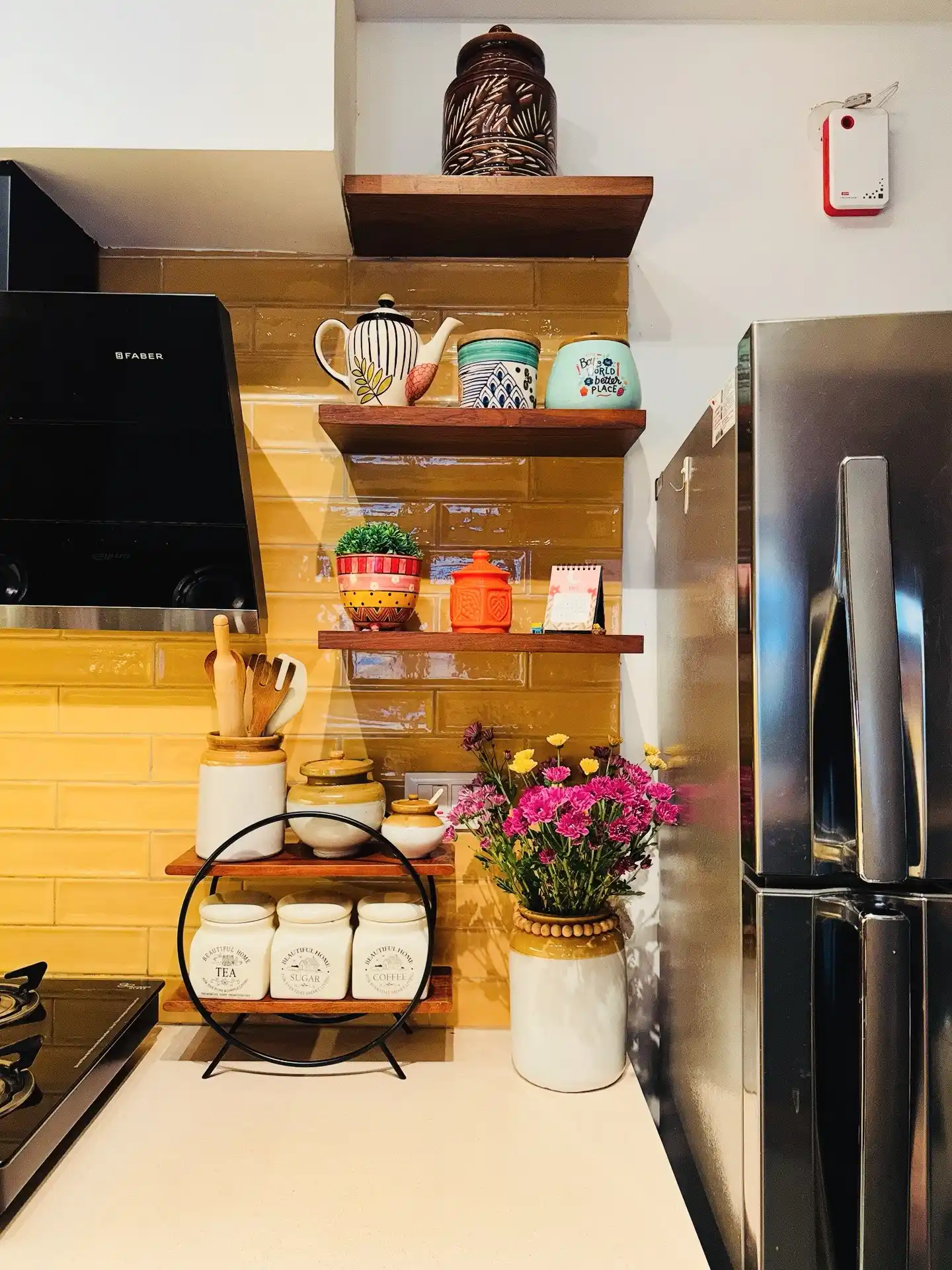
Counter space is the most valuable asset in any kitchen. Crowding your workspace with massive, bulky terracotta pots quickly destroys your ability to prep meals efficiently.
A disorganized clutter of containers leaves no room for your knife, cutting board, and mixing bowls.
If you constantly slide pots out of the way to make room for dinner plates, your design is working against you.
Vertical gardening systems offer an excellent remedy for crowded surfaces. Utilizing wall-mounted rail systems, magnetic planters on the refrigerator, or hanging tiers frees up your countertops completely.
These vertical structures keep your fresh ingredients at eye level and completely out of the way of flour dust and liquid splatters.
You retain your essential chopping real estate while keeping live foliage within your immediate line of sight.
Selecting Smart Structural Materials
The physical containers you choose play a massive role in clean, efficient meal creation. Traditional unglazed terracotta looks beautiful but absorbs moisture rapidly, requiring more frequent watering checks.
Lightweight, non-porous pots made of food-safe plastics or sealed ceramics hold moisture longer and are much easier to clean.
In a busy culinary environment, your containers will inevitably face grease splatters, spilled sauce, and flour dust.
Avoid intricate, heavily textured pots that trap dirt and kitchen grime easily.
Sleek, smooth surfaces allow you to wipe down the exterior with a damp cloth in seconds during your post-dinner cleanup. Furthermore, ensure your planters feature independent, integrated drainage saucers.
Pots that leak dirty water directly onto your clean wooden or marble countertops create unnecessary sanitization issues and can ruin expensive finishes.
Lighting for Flavor and Accessibility
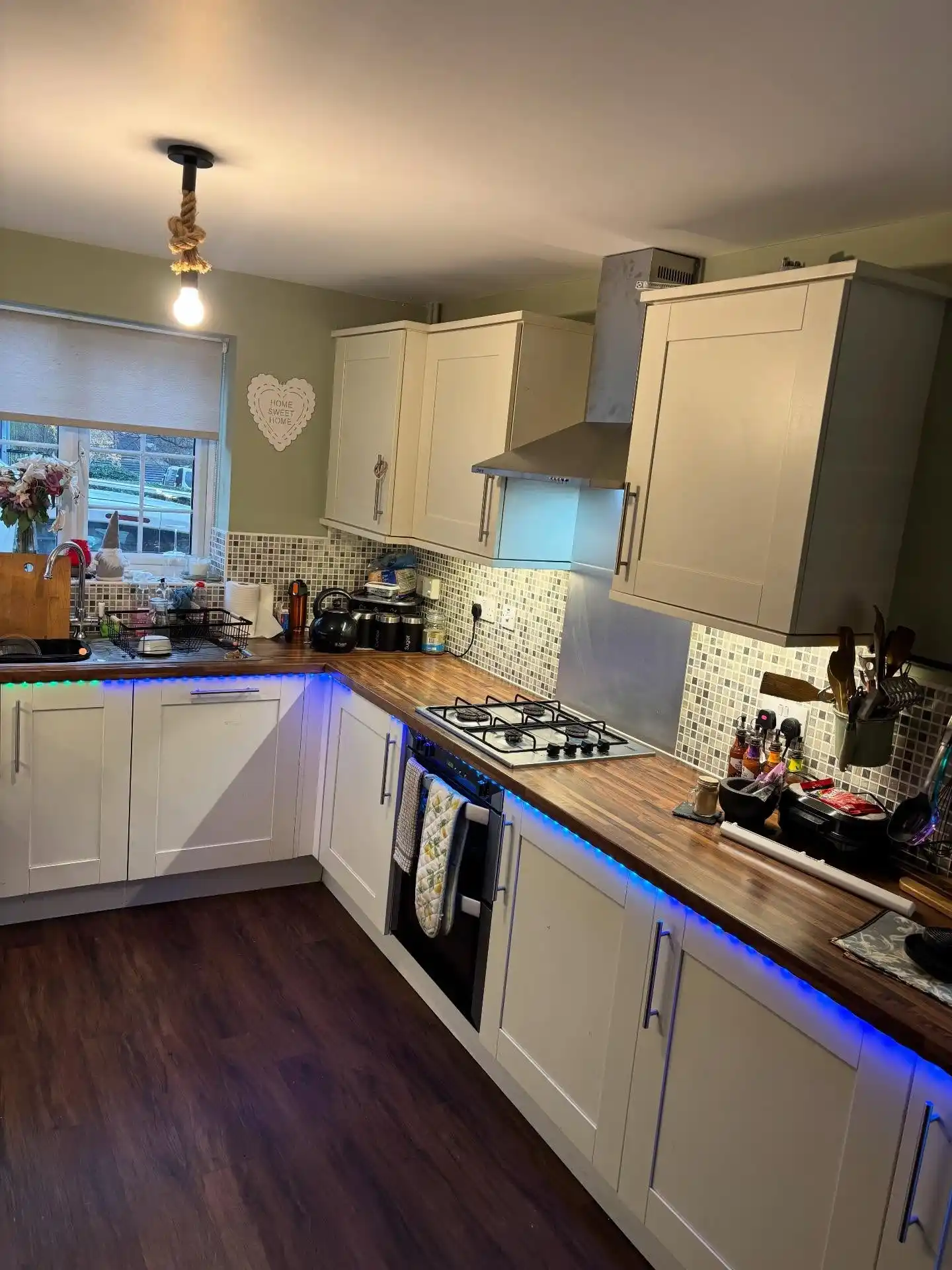
Many home chefs place their pots in dark corners simply because those spots are close to the stove.
This decision kills the crops slowly because indoor spaces rarely provide enough natural light for Mediterranean varieties.
Plants like thyme, oregano, and rosemary demand intense illumination to produce the essential oils that generate rich, aromatic flavors. Without sufficient light, your plants grow thin, weak, and completely lose their culinary potency.
Integrating dedicated LED grow lights directly into your cabinetry resolves this dilemma perfectly.
Under-cabinet strip lights provide the dual benefit of illuminating your food prep area while feeding your crops the precise spectrum they need to thrive.
This hidden integration keeps your design clean, modern, and highly functional.
Your workspace stays bright, and your herbs remain packed with intense flavor for your sauces and marinades.
Streamlining Your Harvesting Tools
An efficient workspace requires immediate access to the proper tools. If you have to rummage through a cluttered junk drawer to find scissors every time you need a garnish, your system is inefficient.
Keeping a dedicated pair of sharp micro-tip pruning shears directly attached to your garden setup saves time and protects your plants from structural damage.
Tearing stems with your fingers bruises the delicate leaves and can introduce diseases to the remaining branches.
Consider mounting a small magnetic tool strip right next to your vertical green arrangement.
This keeps your harvesting scissors visible and instantly accessible. Clean, precise cuts encourage faster plant regeneration and ensure your ingredients look beautiful as a final plate garnish.
Keeping your tools clean and close by turns harvesting into a smooth, single-motion habit.
Selecting the Right Species for Dynamic Cooking
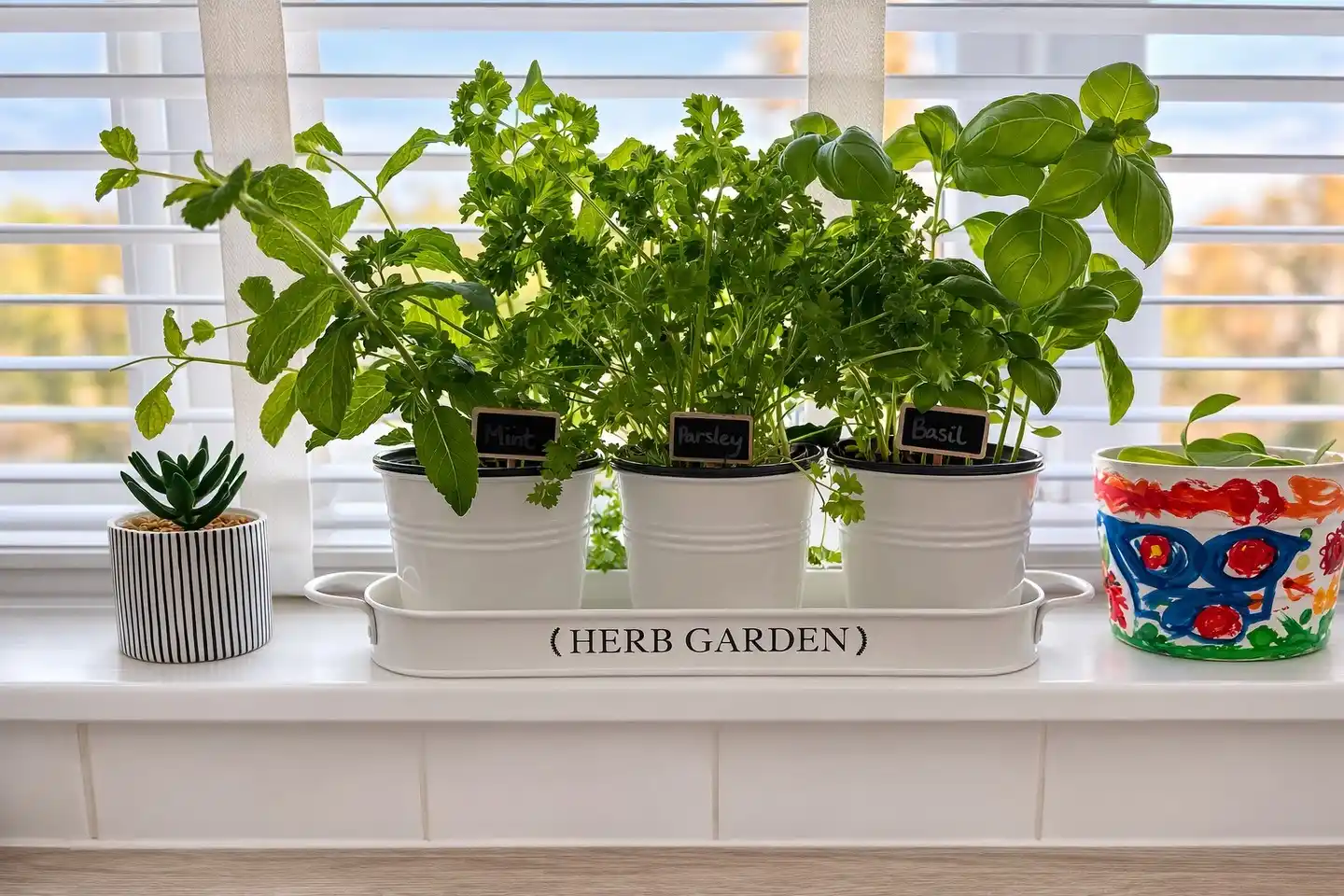
Not all green varieties adapt well to continuous indoor harvesting. Large, aggressive growers like classic mint will quickly choke out neighboring root systems if shared in a single planter box.
Keep mint confined to its own distinct container to prevent it from invading your other culinary varieties.
Focus your indoor layout on high-yield, fast-regenerating varieties that tolerate regular trimming.
- Greek Oregano: Thrives in dry indoor air and provides continuous leaves for robust sauces.
- Broadleaf Sage: Grows sturdy stems that handle regular pruning easily.
- English Thyme: Offers a compact footprint that fits neatly into tight kitchen corners.
- Cilantro: Requires regular harvesting to prevent early bolting in warm rooms.
Choosing compact, resilient species ensures your indoor setup remains productive without turning into an unmanageable jungle that blocks your movement.
Maintenance Routines That Fit Your Schedule
A truly efficient design requires minimal daily upkeep. If your plant setup demands hours of delicate care every week, it ceases to be a helpful culinary asset.
Implementing a self-watering planter system can drastically reduce your daily maintenance checklist.
These clever systems utilize a bottom reservoir and a simple wicking mechanism to deliver steady hydration directly to the root zone as needed.
Using self-watering containers protects your crops from the classic cyclical stress of overwatering and extreme dehydration.
It also frees you from the daily chore of checking soil moisture levels manually before you begin cooking. Your indoor setup remains healthy, vibrant, and completely ready for harvest whenever inspiration strikes.
Creating an Organized Visual Aesthetic
A functional kitchen should always look cohesive and inviting. When your edible plants match the overall design language of your home, the workspace feels balanced and professional.
Utilizing a consistent color palette for your planters prevents visual chaos and makes the area feel clean.
For example, matching matte black or deep charcoal containers with modern stainless steel appliances creates a sleek, masculine aesthetic.
When your garden looks organized, you are naturally more inclined to interact with it during your daily cooking process.
A beautiful, clean arrangement invites you to experiment with fresh flavors routinely.
It transforms your cooking area into a dynamic, living workspace that enhances both your interior design and your daily meals.


