

12 Mistakes to Avoid with Your Indoor Herb Garden

Growing greens inside your home sounds incredibly easy. Many beginners jump in without proper preparation.
Unfortunately, indoor plants face unique challenges that outdoor crops never encounter. Small errors in care can quickly destroy your fresh culinary setup entirely.
Leaves turn yellow, roots rot, and delicate stems wither away without warning. Learning what to avoid saves you time, money, and frustration.
You can protect your small countertop investments by understanding common pitfalls early on. This guide breaks down the critical missteps that kill your crops.
Discover how to keep your harvest thriving year round by steering clear of these 12 mistakes to avoid with your indoor herb garden.
1. Indoor Herb Garden Mistakes
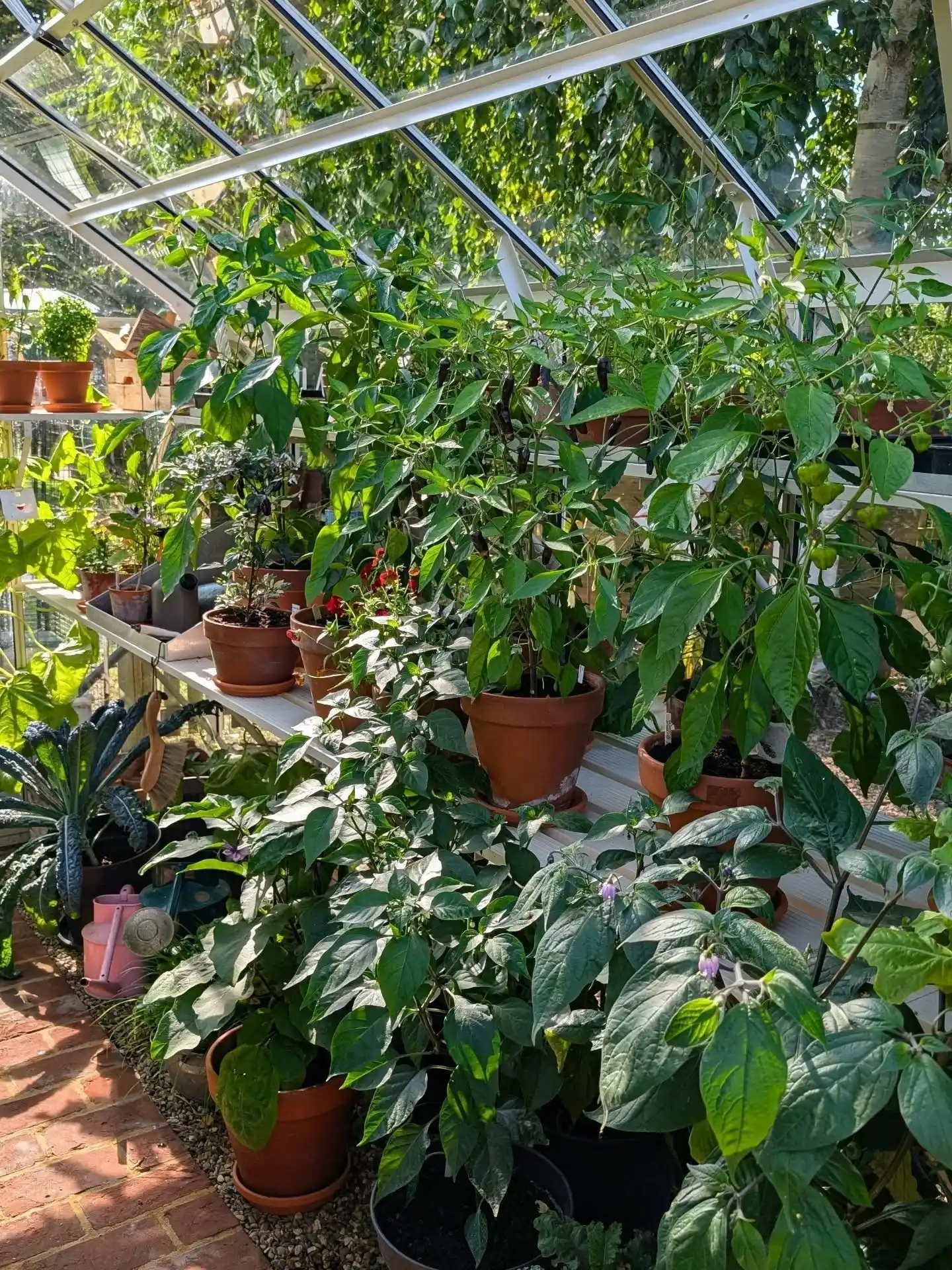
Massive rows of potted crops fill a bright glass greenhouse structure to create a dense jungle look.
Shoving your containers tightly together on narrow shelves blocks vital airflow between individual branches.
This lack of breathing room creates a stagnant environment where destructive fungal diseases spread like wildfire.
Lower leaves remain trapped in deep shadow because the upper canopy blocks out all incoming light.
Notice how the crowded bottom containers struggle to receive equal sunshine compared to the top tier.
Spacing out your terracotta pots ensures every branch breathes and grows uniformly.
2. Herb Garden Fails
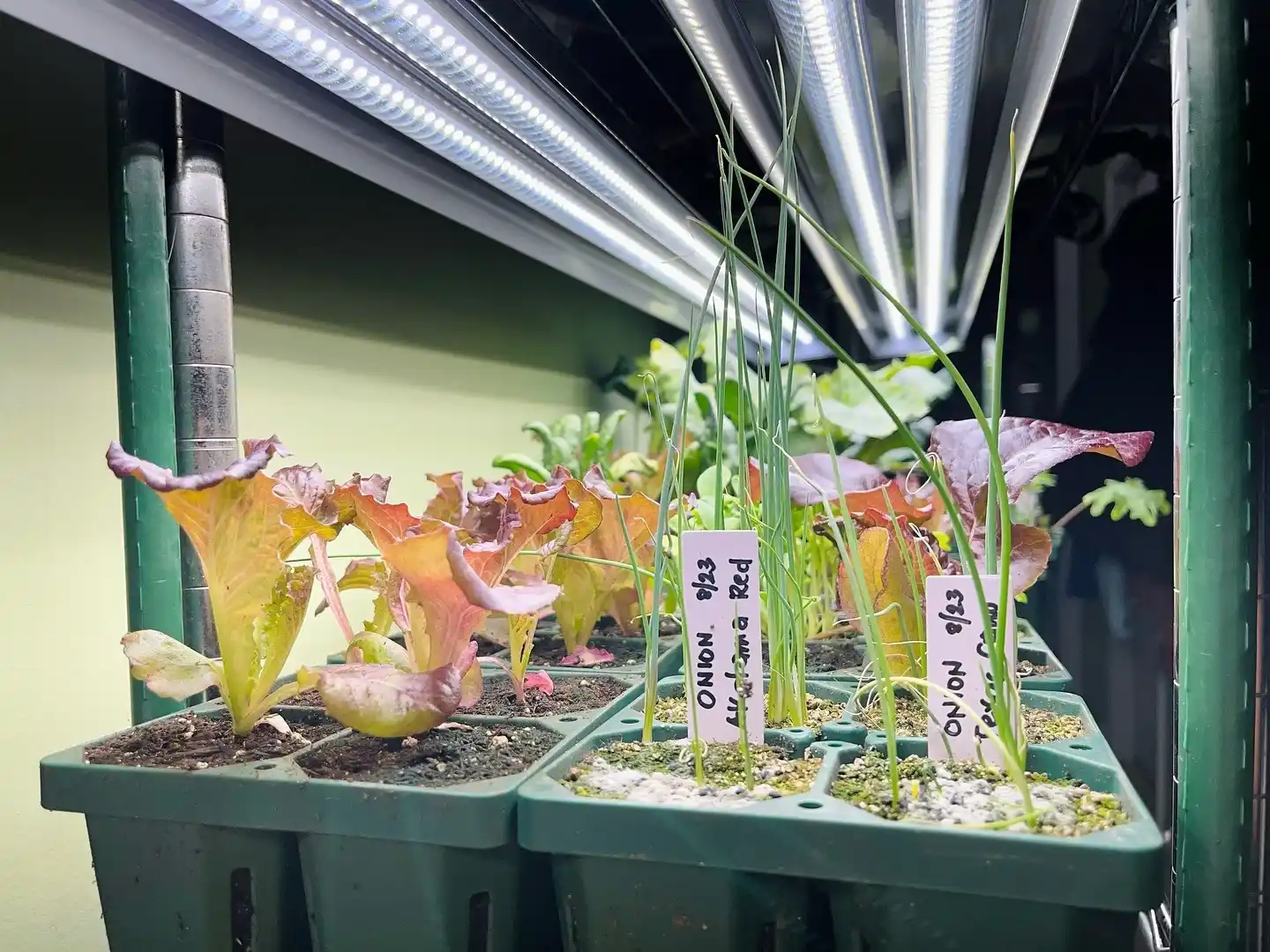
Small plastic seed trays sit underneath bright overhead fluorescent tubes on a metal shelving unit.
Placing your light fixture too far above the soil forces young sprouts to stretch upward aggressively to reach the energy source.
This extreme stretching creates weak, spindly stems that easily collapse under their own weight later.
Notice how the thin green onion shoots lean sharply toward the glowing bars above them.
Keeping the artificial bulbs close to the plant canopy prevents this leggy growth from ruining your seedlings early on.
Adjusting the height of your fixtures regularly ensures strong, compact stem development.
3. Common Herb Growing Mistakes
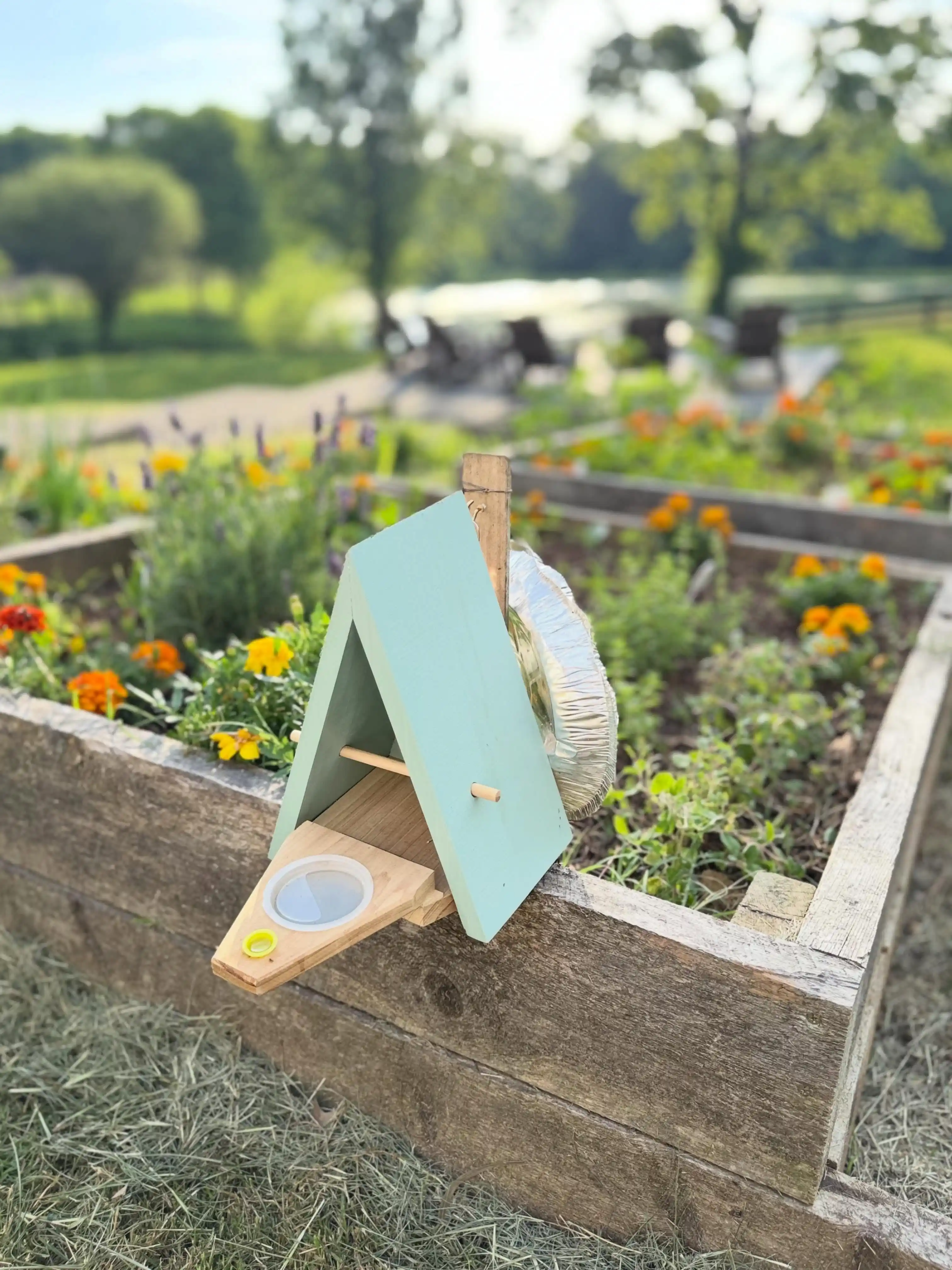
A small teal birdhouse structure mounts directly onto the corner of a raised wooden garden bed.
Colorful marigolds and lavender sprout nearby to create a diverse ecosystem. Forgetting to install physical barriers or companion flowers leaves your crops completely unprotected against flying insects.
Pests quickly devour delicate leaves when you leave rows completely open to the elements.
Notice how the open fields behind the wooden boxes contain wild trees and unmanaged brush.
Bringing unprotected outdoor items inside can accidentally introduce bugs into your clean kitchen space.
4. Herb Garden Root Rot
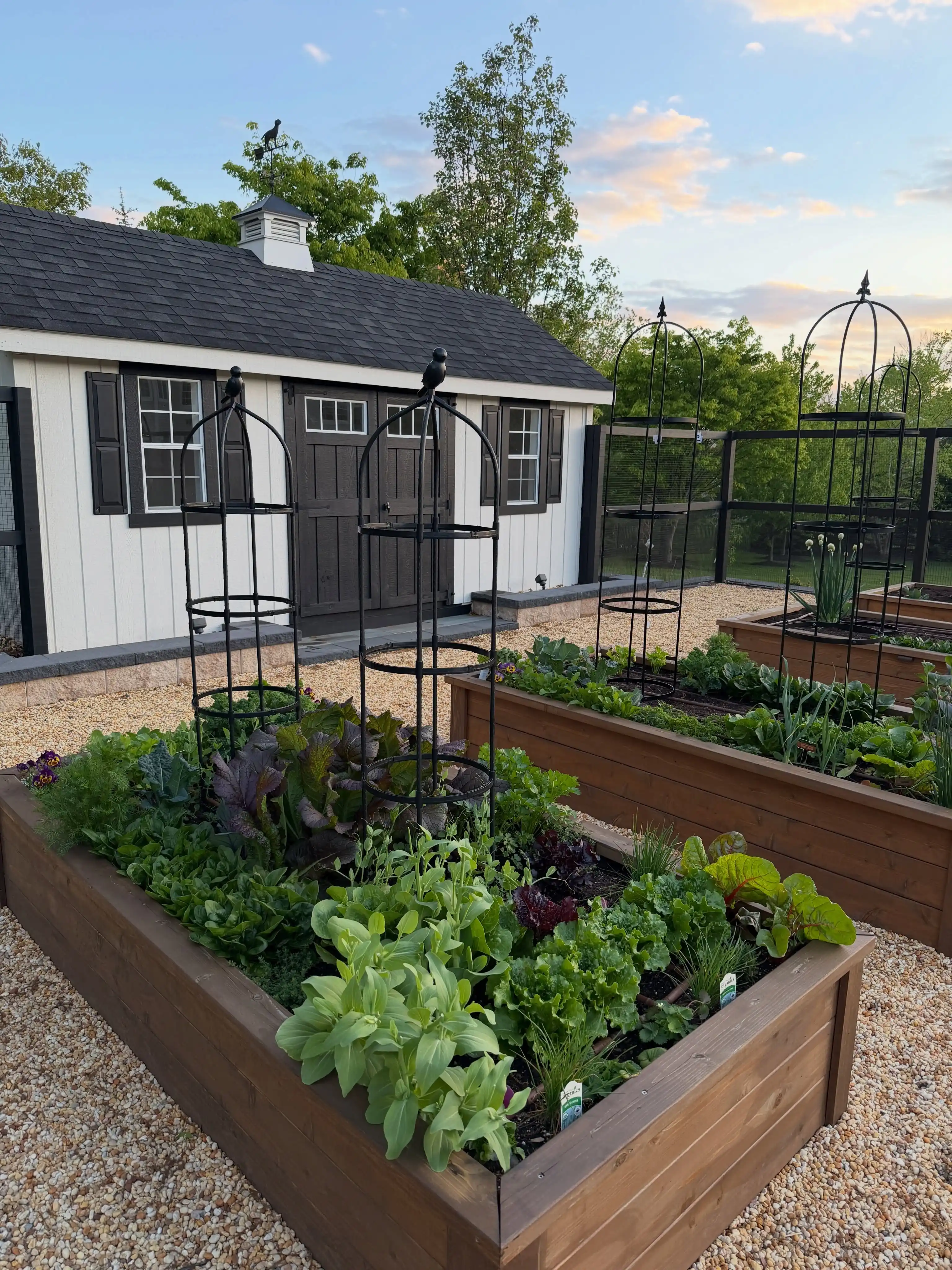
Tall black metal trellises rise out of large rectangular wooden planters filled with dense green leafy crops.
Constructing massive raised containers over gravel ground without internal drainage features traps excess moisture at the base.
Standing liquid suffocates sensitive roots because oxygen cannot penetrate the heavy, saturated soil layers.
Notice the nearby white garden shed with black shutters under a clear dusk sky.
Setting up large containment systems requires a clear escape route for pooling water to keep the bottom earth fresh.
Creating drainage channels prevents root rot from destroying your entire vegetable patch unexpectedly.
5. Overwatering Herbs Mistake
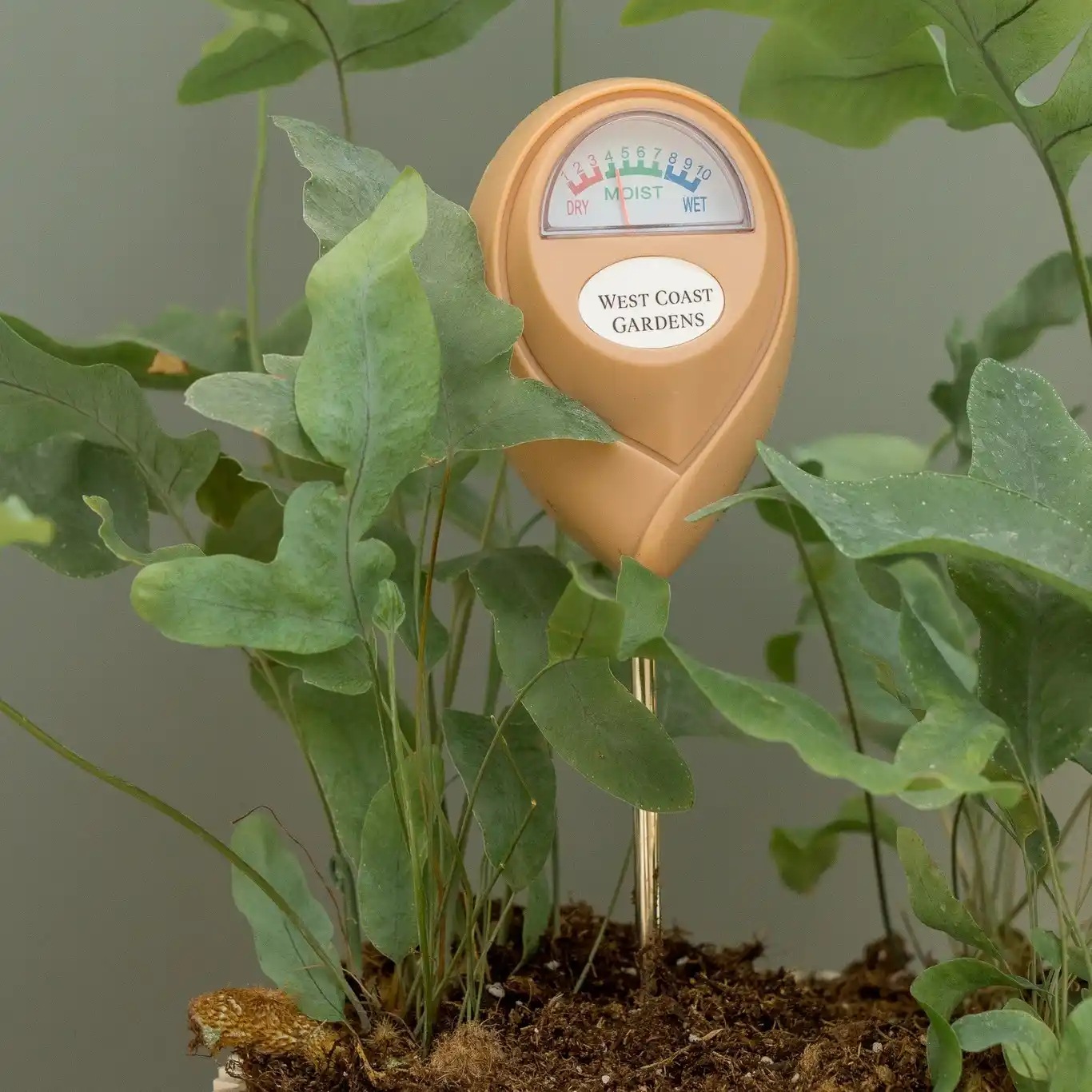
A tan moisture meter probe sits pushed deep into dark potting soil surrounded by broad green leaves.
Relying on guesswork instead of measuring tools often leads to drowning your delicate indoor root systems.
Keeping the ground constantly soaked blocks essential oxygen channels within the dirt completely.
Notice how the meter dial points toward the green moist section to display current hydration levels clearly.
Checking your substrate moisture before adding more water prevents root rot from silently killing your greenery.
Monitoring these levels ensures a safe balance for sensitive potted herbs.
6. Herb Garden Light Mistakes
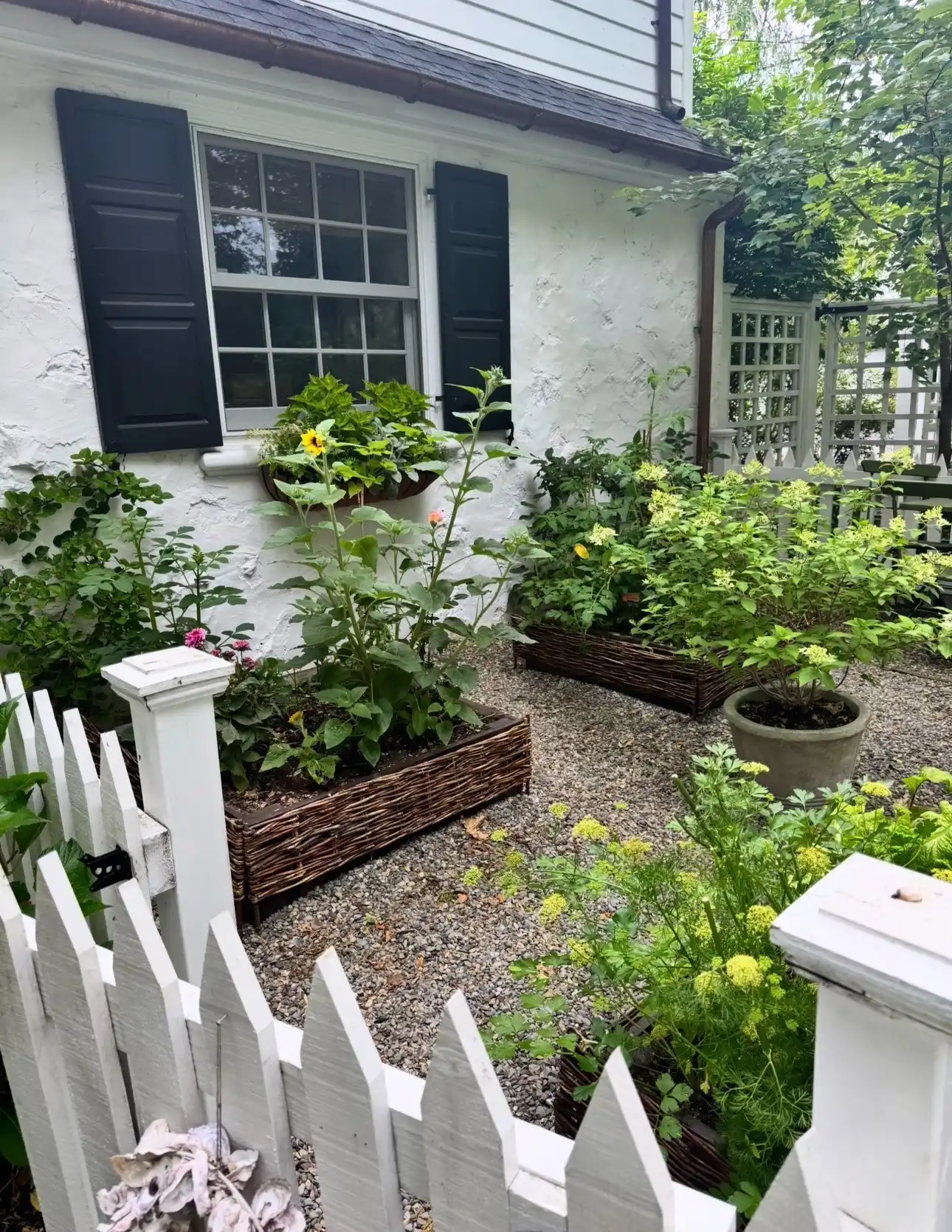
Woven wicker garden beds sit positioned alongside the exterior wall of a white cottage under a window with black shutters.
Tall sunflowers and bushy green herbs stretch upward to absorb the available natural daylight in this courtyard.
Relying entirely on weak window light inside dark rooms stalls the development of edible plants.
Culinary greens quickly lose their aromatic flavor profiles when stuck in deep interior shadows.
Notice how the outdoor vegetation thrives under the open sky because nothing blocks the sun rays from above.
Supplementing dark indoor rooms with strong grow lamps prevents slow growth from ruining your kitchen harvest.
7. Yellow Leaves Herb Garden
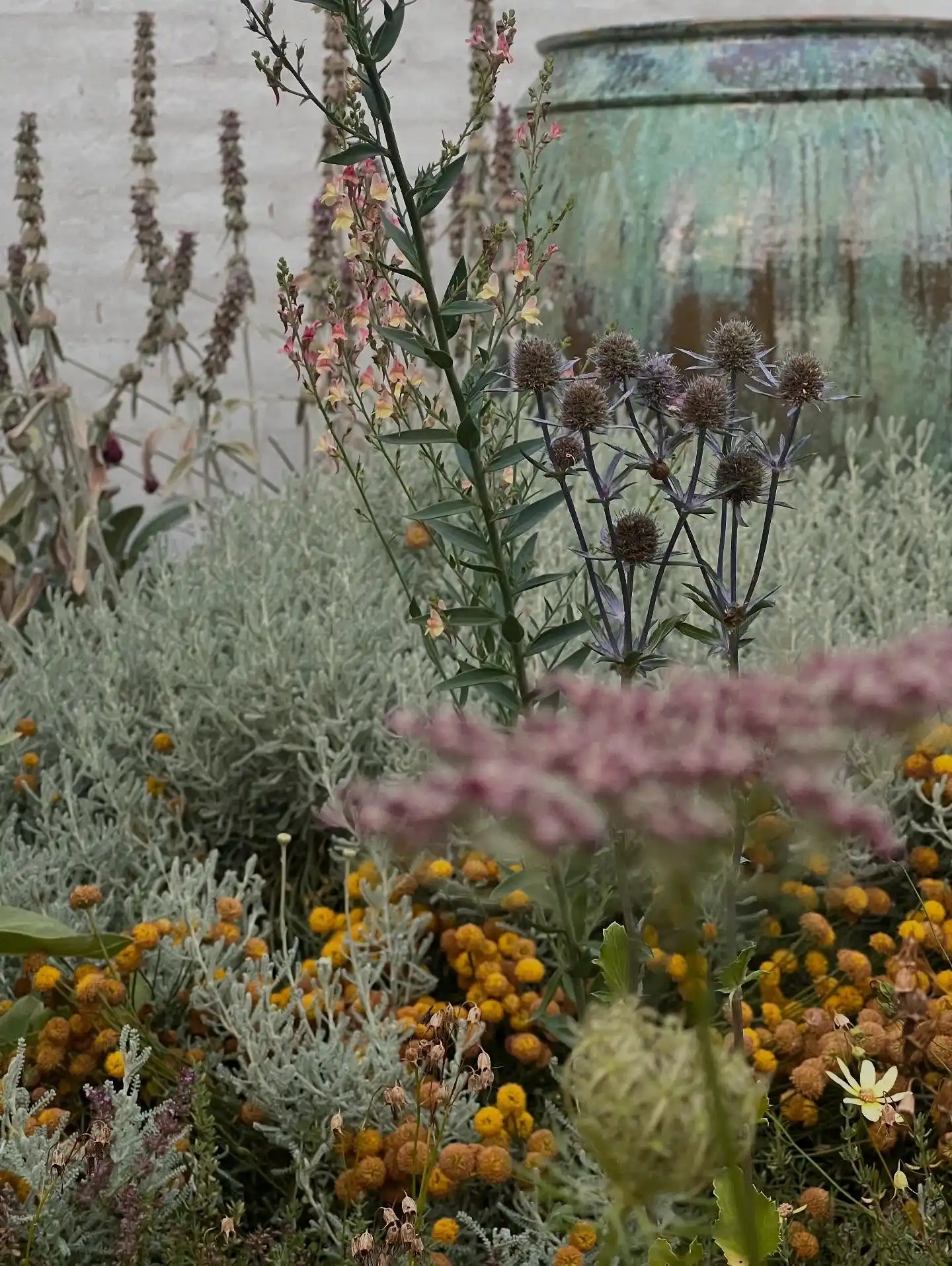
Spiky purple thistles and drying seed heads stand tall amid a dense, wild patch of field flowers and silvery sagebrush.
Allowing your culinary varieties to bolt and produce hard seeds completely changes the chemical profile of the leaves below.
This natural aging cycle strips away the essential oils that create rich kitchen flavors.
Notice the large green weathered ceramic urn resting in the background against a plain wall.
Frequent pruning keeps your indoor varieties in a perpetual state of soft, flavorful vegetative growth.
Trimming away early buds prevents your crops from turning bitter and woody over time.
8. Leggy Herb Plants Fix
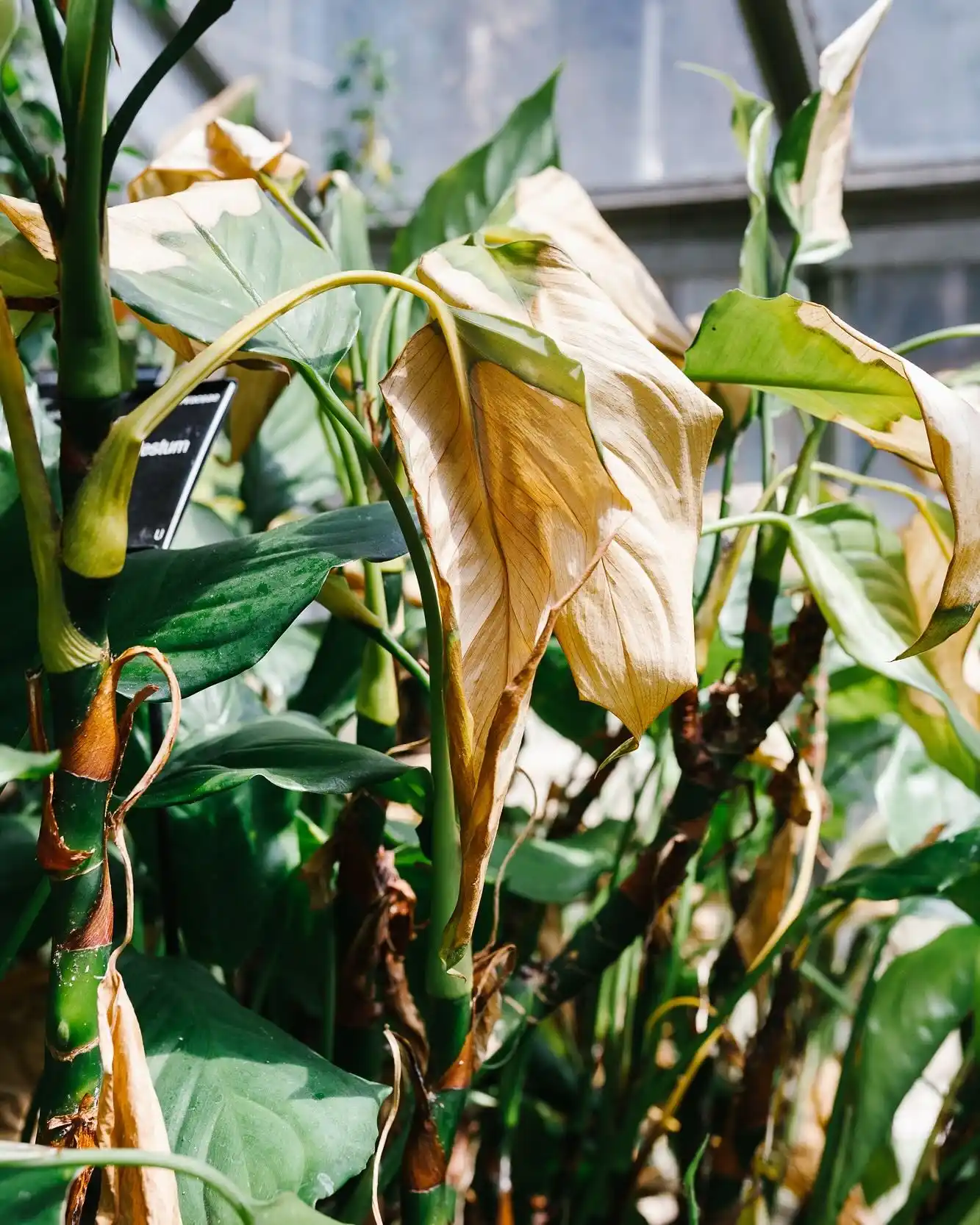
Large green stalks stand tall while bearing heavy, dried brown leaves that droop sadly toward the ground.
Leaving parched soil unchecked causes sensitive foliage to wither and lose its vibrant health rapidly. This severe dehydration starves the upper canopy of essential fluids.
Notice the crisp paper textures along the edges of the fading yellow structures.
Trimming away dead material immediately channels vital nutrients back into the remaining healthy stalks. Regular hydration checks keep your indoor greenery resilient and lush.
9. Herb Garden Soil Mistakes
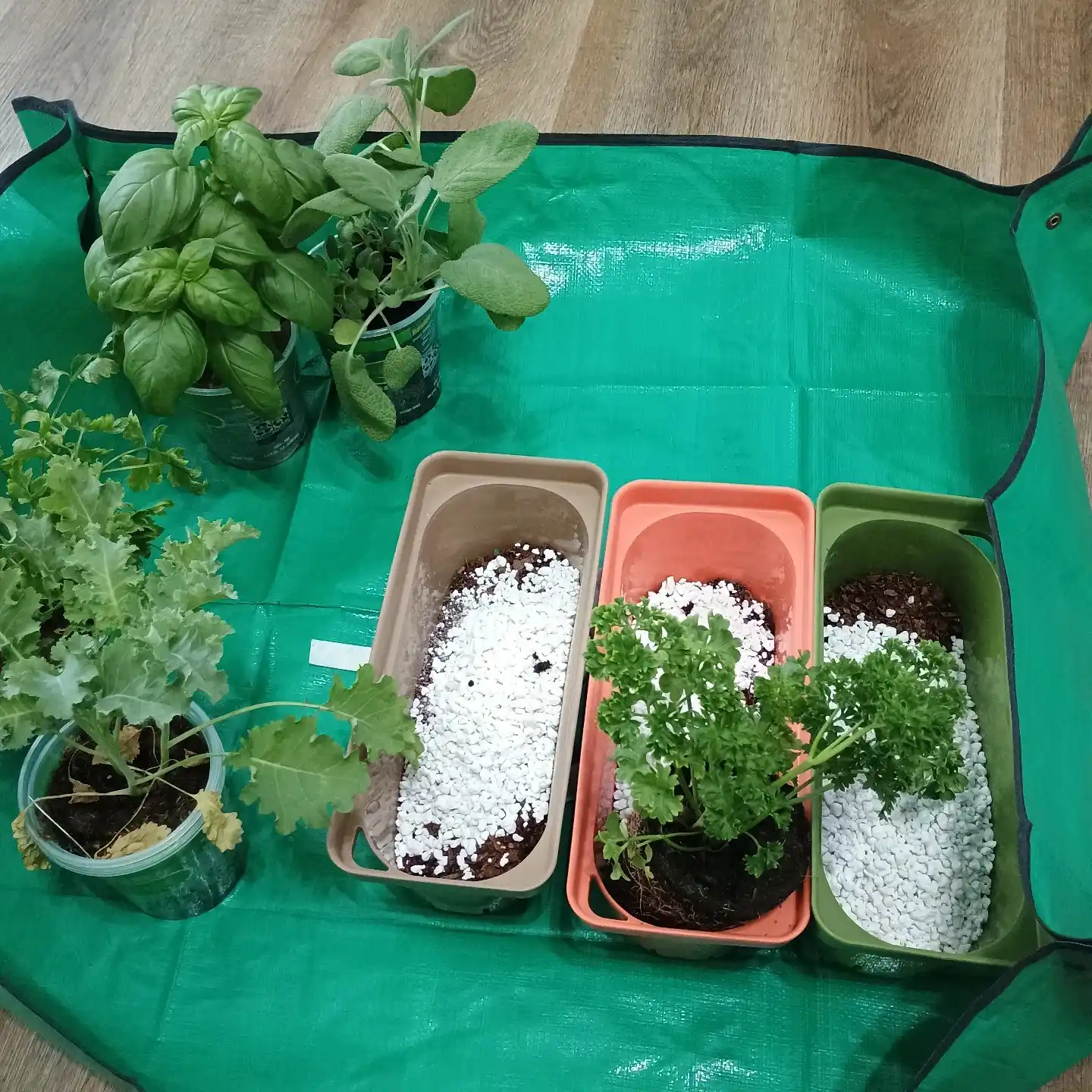
Three colorful rectangular seedling trays rest inline on a bright green plastic potting tarp spread across a wood floor.
Thriving basil, sage, and curly parsley starts sit nearby awaiting their permanent containers.
Pouring dense, unmodified white perlite grains directly over unmixed bottom soil creates an uneven growing environment.
This stark separation traps heavy water pockets rather than encouraging even distribution throughout the root zone.
Notice the fine dark potting mix peeking through around the green container rims on the right side.
Mixing amendment materials thoroughly into your organic dirt keeps the medium fluffy and balanced for indoor cultivation.
10. Wrong Pot Size Herbs
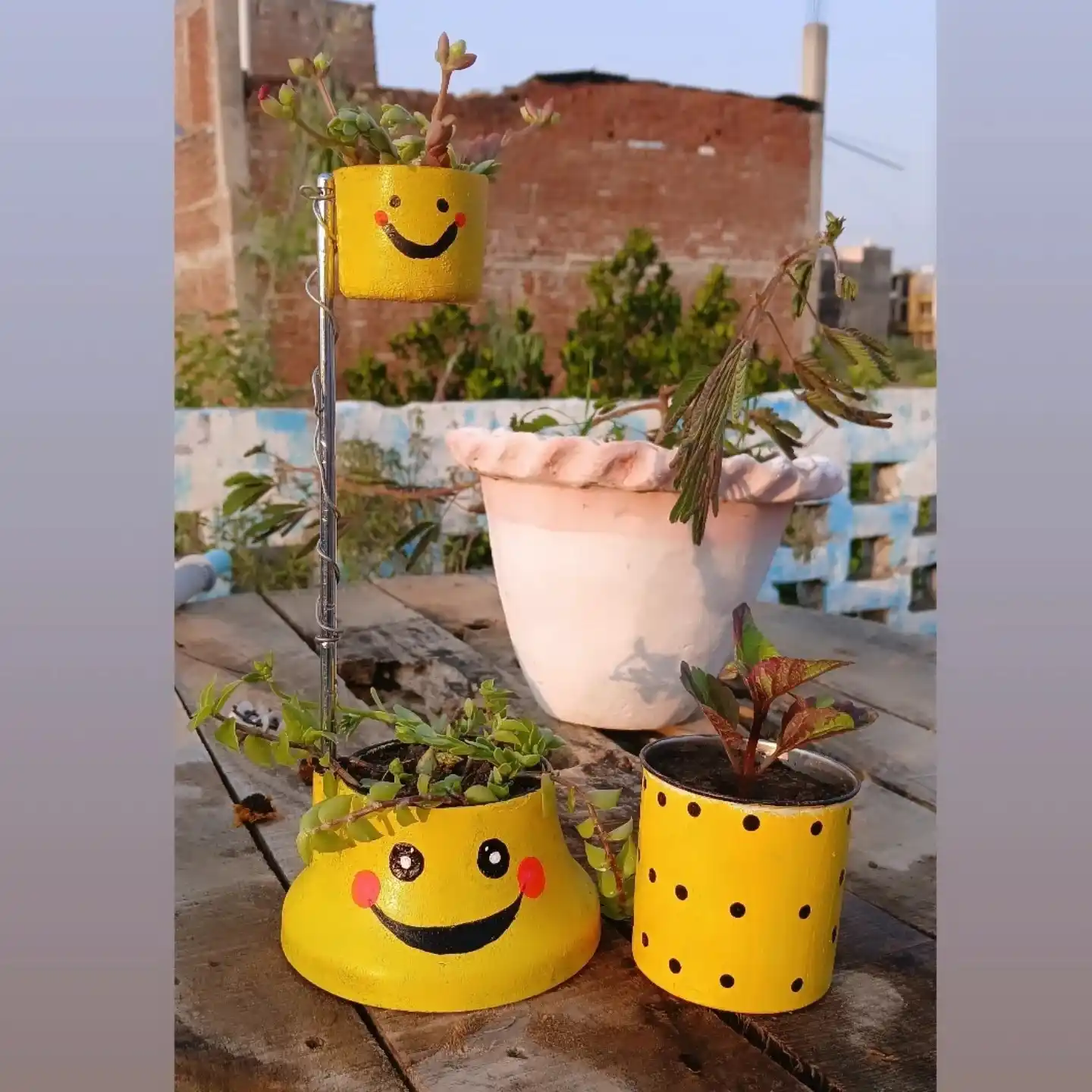
Small yellow smiley-face tins and polka-dot metal cans sit on a weathered outdoor wooden table.
Tiny green succulents and decorative shoots grow out of these compact, shallow makeshift vessels.
Forcing your culinary greens into highly restrictive spaces limits overall growth and stunts healthy development.
Notice how the larger white terracotta pot stands directly behind the miniature painted containers.
Deep roots require ample physical breathing room to absorb sufficient nutrients and moisture effectively.
Choosing spacious pots allows your indoor edible plants to establish a strong structural foundation.
11. Fix Your Herb Garden
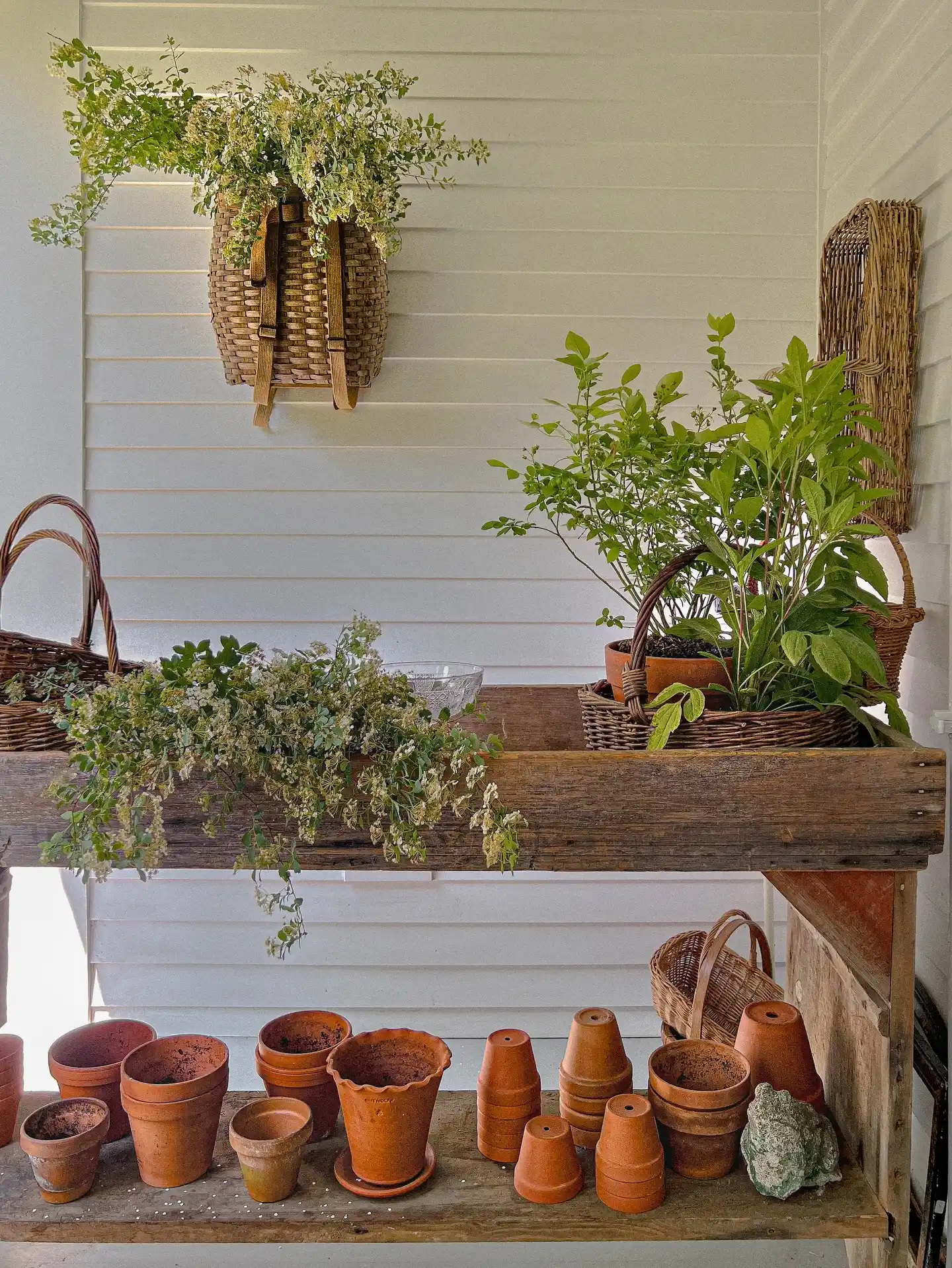
Various sizes of terracotta pots sit stacked on the bottom shelf of a rustic wooden potting bench.
A woven basket backpack containing trailing greenery hangs against the clean white shiplap wall backdrop.
Storing unplanted containers in your main cultivation area takes up valuable functional workspace.
This accumulation of clutter leaves little physical room for active trimming or daily plant maintenance.
Notice how the upper wooden tier safely holds bushy green growth and woven baskets filled with cut flowers.
Organizing your spare vessels on separate storage racks keeps your immediate gardening counter clear and efficient.
12. Herb Garden Fertilizer Mistakes
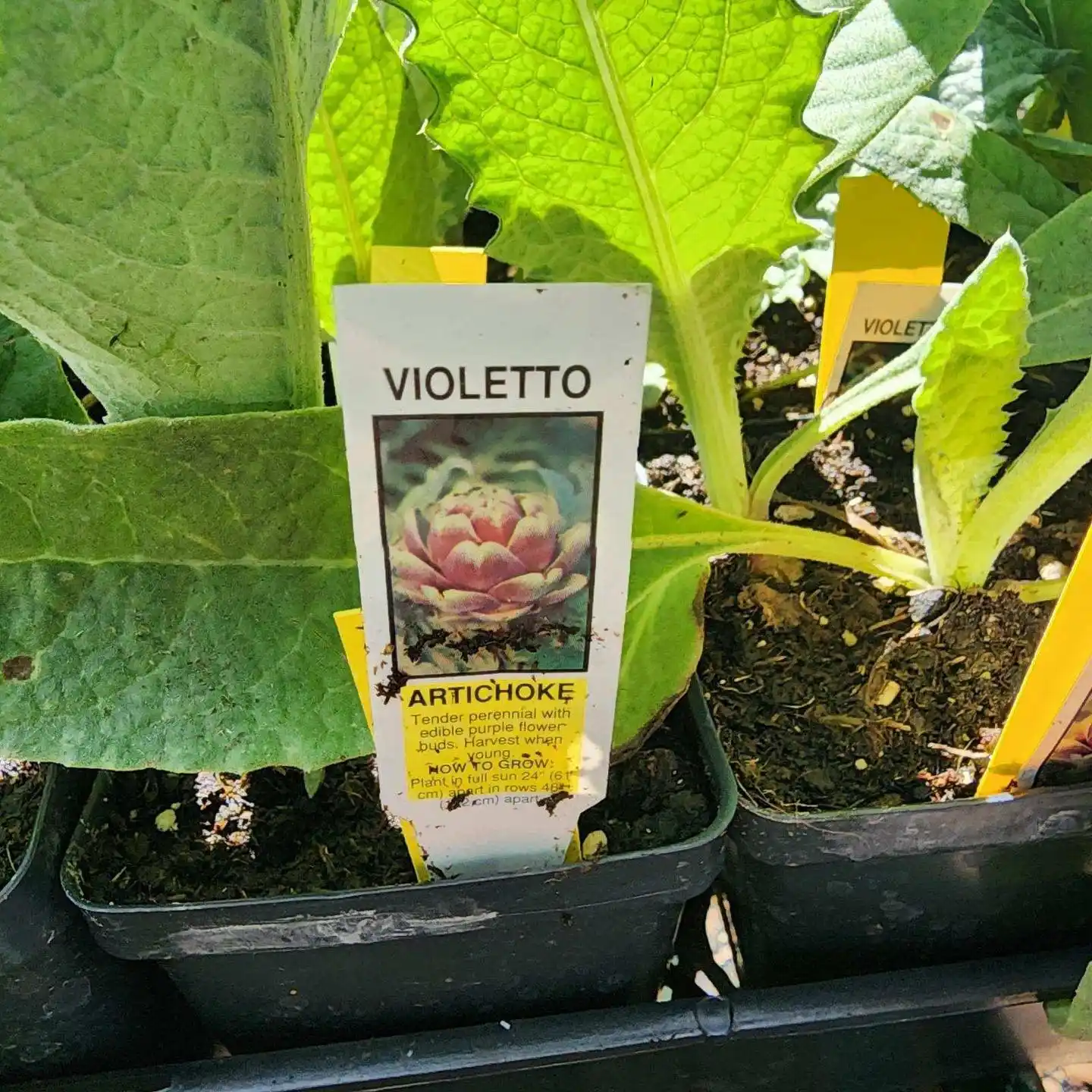
A white variety tag with bold black lettering sits pushed into the dark soil of a small plastic nursery container.
Broad green serrated leaves of an artichoke seedling sprout upward around this informational marker.
Skipping these detailed manufacturer guidelines often leads to applying incorrect nutrition doses to sensitive culinary varieties.
Every individual edible species demands highly specific feeding schedules and mineral balances to produce healthy foliage.
Notice how the small printed text outlines exact light and spacing requirements for the crop.
Reviewing these retail cards carefully prevents nutritional burning from destroying your young kitchen garden.
Thriving Indoor Harvests Await
Avoiding these common pitfalls transforms your kitchen cultivation from a frustrating struggle into a rewarding success.
Proper care, strategic lighting, and mindful watering routines keep your culinary greens lush and productive throughout the year.
Protecting your potted investment takes minimal effort once you establish healthy habits.
Apply these simple adjustments today to enjoy an endless supply of fresh, flavorful ingredients right from your countertop.


