

Pros and Cons of Open Shelving vs Closed Cabinets Organization

Designing a highly functional kitchen layout always brings you face-to-face with a fundamental storage dilemma: how to balance visual beauty with everyday utility.
The surfaces you choose dictate your daily movement, cleaning schedules, and how you interact with your culinary tools.
When planning your storage architecture, the debate inevitably centers on the pros and cons of open shelving vs closed cabinets organization.
Some home chefs love the airy, accessible feel of open ledges, while others prefer the clean, hidden predictability of solid doors. Each style forces a completely different set of habits upon your daily cooking routine.
This deep dive will analyze the structural advantages and hidden drawbacks of both methods to help you curate an efficient, stress-free culinary workspace.
The Advantages of Open Shelving
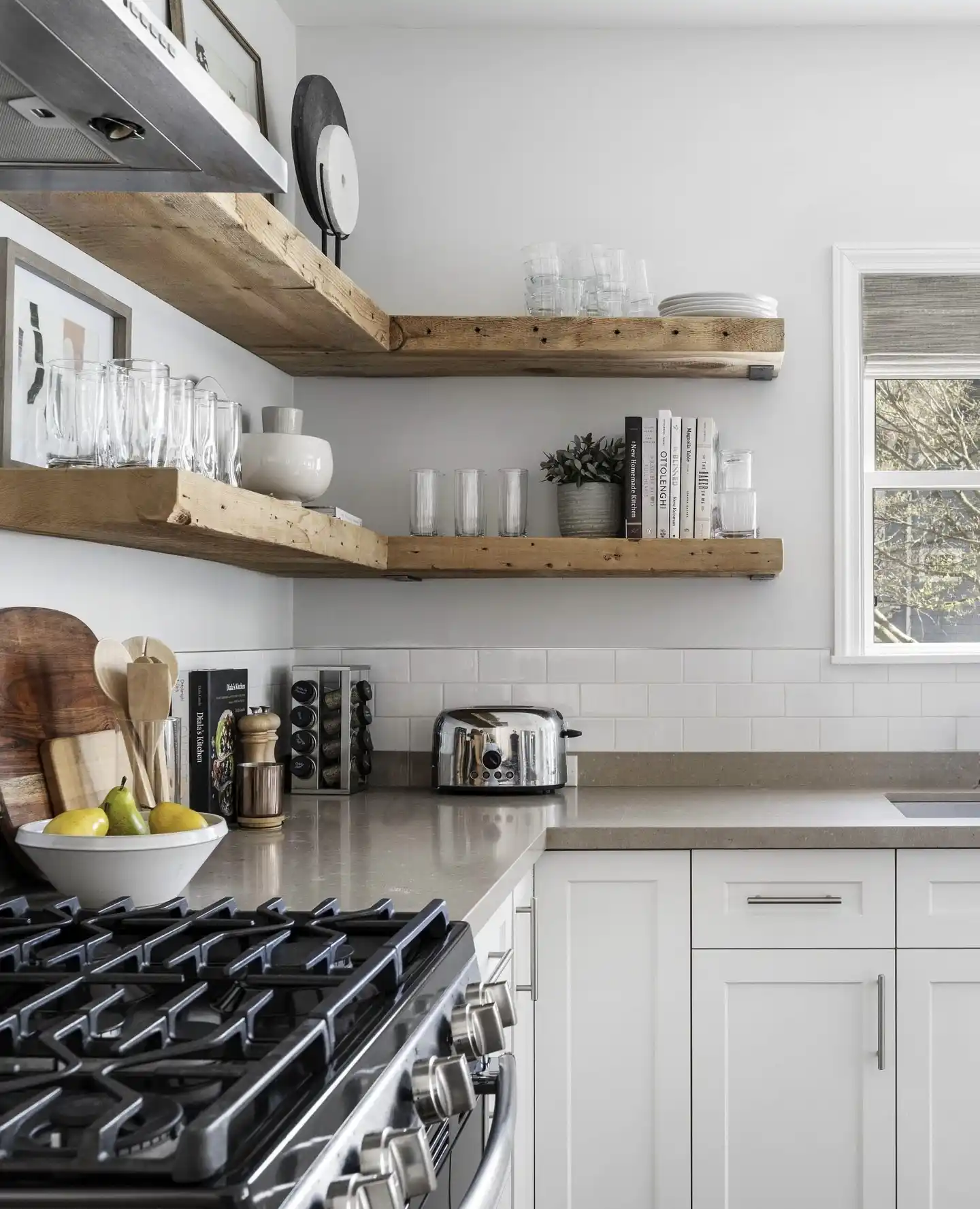
Exposed ledges have completely transformed modern interior design by breaking up the heavy, monolithic look of traditional wall-to-wall cabinetry.
Removing solid doors instantly makes a compact cooking area feel expansive, bright, and welcoming.
By eliminating visual barriers, you allow natural light to bounce freely across the room, making dark corners disappear.
Beyond the obvious aesthetic shift, exposed platforms offer incredible functional benefits during high-stress meal preparation. Having your everyday dishware, clear ingredient jars, and mixing bowls completely visible streamlines your workflow.
You no longer have to open and close multiple doors with messy hands just to find a specific prep bowl.
It creates an intuitive, fast-paced environment where guests or family members can easily find a glass or plate without asking where it belongs.
Additionally, this format allows you to showcase your personality. It serves as a beautiful backdrop for displaying artisanal stoneware, hand-painted ceramic mugs, or a vibrant indoor herb collection.
The rich greens of live basil or trailing thyme contrast beautifully against flat wall tile, blending organic life directly into your workstation.
The Hidden Challenges of Exposed Storage
While exposed planks look flawless in curated lifestyle photography, maintaining that pristine appearance requires a massive amount of personal discipline.
In an active kitchen environment, airborne grease, flour dust, and steam combine to create a sticky residue that settles on exposed surfaces.
If you do not utilize every single item on your shelves regularly, you will find yourself washing clean plates and glasses simply because they accumulated a layer of grime while sitting idle.
This format also demands total visual perfection. You cannot quickly shove mismatched plastic storage containers, chipped mugs, or bulky packaging out of sight.
Every single item remains on display for the world to see, meaning a single misplaced spice container or an unorganized stack of bowls instantly makes the entire room look messy.
If you struggle with clutter or prefer buying pantry items in bulk, exposed planks can quickly induce visual exhaustion and anxiety.
The True Benefits of Traditional Closed Cabinets
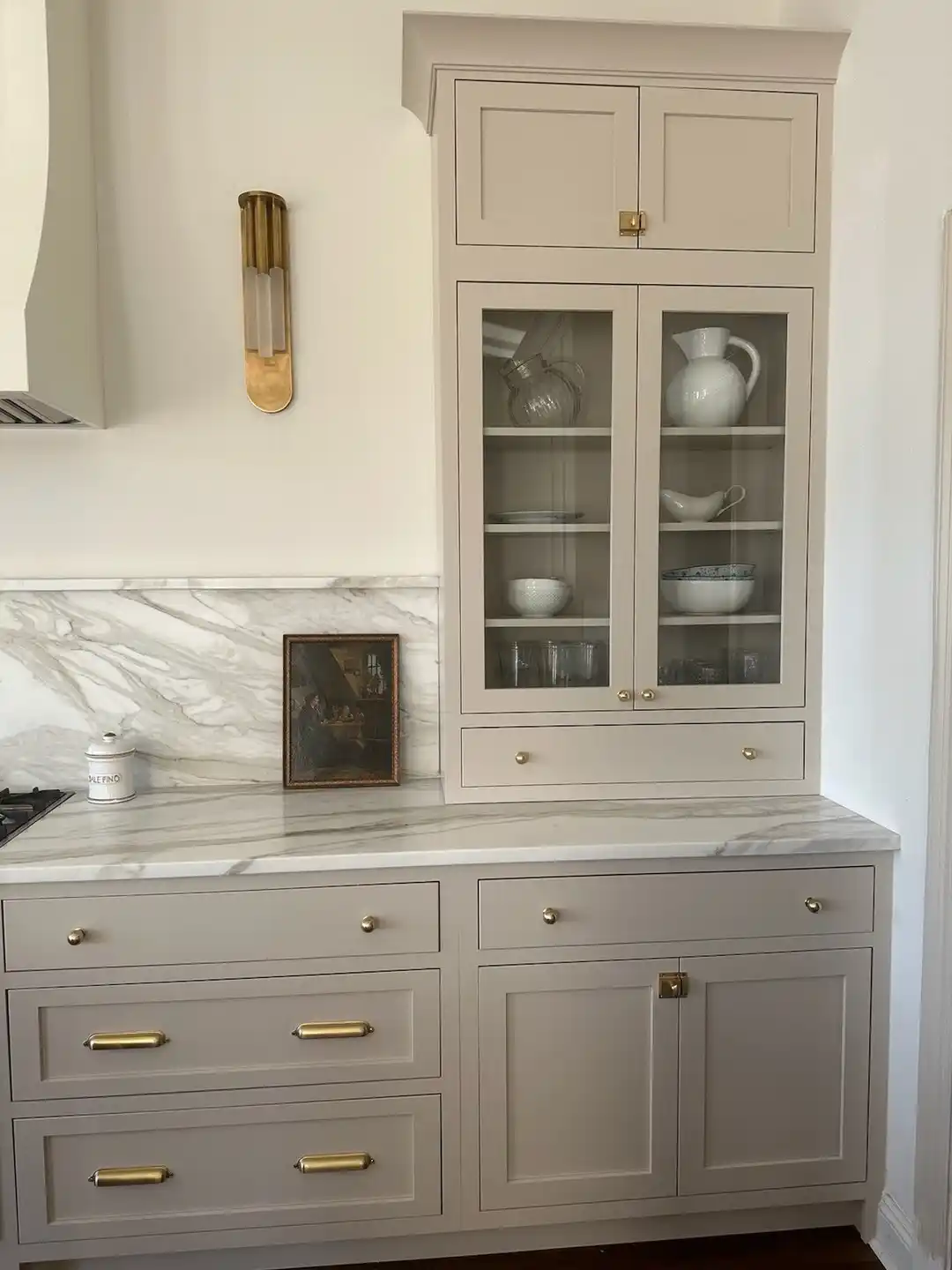
Solid cabinet doors have remained an industry standard for decades for a very simple reason: they are incredibly forgiving. The primary advantage of a closed configuration is its ability to instantly mask internal chaos.
If a busy weeknight leaves you with zero time to stack your food containers perfectly, you can simply shut the doors and maintain a pristine, minimalist exterior. It completely hides visual noise, preserving a clean aesthetic at a glance.
+-----------------------------------+-----------------------------------+
| Open Shelving Trait               | Closed Cabinetry Trait            |
+-----------------------------------+-----------------------------------+
| High accessibility (grab-and-go)  | Hidden internal layout            |
| Amplifies natural room light      | Can make tight rooms feel smaller |
| Requires uniform, styled dishes   | Conceals mismatched kitchenware   |
| Vulnerable to grease and dust     | Complete protection from grime    |
+-----------------------------------+-----------------------------------+
Furthermore, traditional boxes offer complete environmental protection for your culinary investments.
Sensitive ingredients, delicate spices, and expensive small appliances stay entirely shielded from airborne oils, light degradation, and dust.
This significantly reduces your deep-cleaning checklist, saving you valuable hours every month.
It also allows you to maximize every square inch of internal space by using tiered shelf risers, lazy Susans, and door-mounted organizers without worrying about how they look from across the room.
The Drawbacks of Solid Enclosures
Despite their practicality, solid upper boxes can introduce a heavy, boxy feeling to a room, especially in tighter layouts with low ceilings. A continuous line of dark or solid white doors can clip incoming light, creating shadows across your workspace. This visual weight can sometimes make an otherwise functional space feel slightly claustrophobic or dated.
From a workflow perspective, solid panels add an extra physical step to every single action. You must constantly swing doors open, reach inside, and close them throughout the cooking process. Over time, these repetitive movements can lead to minor frustrations, particularly when your hands are covered in dough or oil. Furthermore, heavy cabinet doors can become safety hazards when left swung open in a bustling, high-traffic kitchen zone, leading to accidental bumps and bruises.
Evaluating Cost and Installation Dynamics
When examining the financial realities of a remodel, exposed platforms are generally much friendlier to your budget than custom cabinetry.
Building, painting, and installing high-quality boxes with soft-close hinges and custom doors requires significant material costs and skilled labor.
If you are executing a budget-friendly update, opting for thick, raw wood or iron-bracketed planks can save you thousands of dollars up front.
However, it is crucial to remember that exposed storage often shifts your spending from the structural elements to the items sitting on top of them.
Because your items are on display, you will likely feel compelled to purchase matching ceramic sets, premium glass storage canisters, and cohesive spice jar systems to avoid visual clutter.
Those container costs can add up quickly, balancing out some of the initial savings you achieved by skipping traditional doors.
Maximizing Cleanliness and Maintenance Routines

Your personal cleaning style should play a pivotal role in this decision. If your daily routine already includes wiping down countertops and running a meticulous kitchen cleanup, dusting open planks will feel like a natural extension of your habits.
The open design allows you to quickly run a microfiber cloth across the flat surfaces without fighting awkward interior corners or cabinet lips.
Conversely, if you prefer a low-maintenance home environment where deep cleaning is reserved for a monthly checklist, closed enclosures are undeniably superior. They isolate your plates and pantry items from the inevitable splatters of a sizzling pan.
For those who cook frequently with high-heat techniques, traditional doors act as an essential barrier, keeping your daily dinnerware clean and sanitary until the exact moment you need it.
Striking the Perfect Hybrid Balance
You do not have to choose a purely binary layout to achieve a beautiful, efficient workspace.
In fact, many of the most successful modern designs rely on a calculated hybrid strategy that blends both worlds seamlessly.
This approach allows you to leverage the specific strengths of each style exactly where they make the most sense for your cooking workflow.
Consider installing traditional solid cabinetry around your main cooking zone, stove, and range hood.
This ensures that items most vulnerable to grease and steam remain safely sealed behind protective doors. You can then reserve a single, beautiful section of open shelving near your sink, window, or coffee station.
This open area can comfortably hold your high-rotation items—like your daily coffee mugs, water glasses, and small plates—which are washed so frequently that dust never has a chance to settle on them.
Creating Your Ideal Storage Blueprint
Ultimately, analyzing the pros and cons of open shelving vs closed cabinets organization reveals that the right choice depends entirely on your personal behavior, aesthetic goals, and how you move through your home.
If you crave a bright, artistic environment where your tools double as decor, exposed planks will elevate your daily experience.
If you prioritize maximum convenience, minimal cleaning, and hidden storage, traditional doors remain an unmatched choice.
Take a realistic look at your current dishware and cleaning habits before making a permanent structural commitment.
By tailoring your storage choices to your authentic lifestyle rather than fleeting design trends, you will create a highly efficient, beautiful workspace that supports your culinary passion for years to come.


