

10 ADHD Kitchen Systems That Stay Organized

We’ve all been there. You get a sudden burst of midnight motivation, watch three hours of pristine organizing videos, and spend a fortune on matching, opaque plastic bins.
You label everything beautifully.
Then, two weeks later, the system completely collapses, and your kitchen counters look like a culinary tornado hit them.
Why does this happen? Because traditional organizing advice is built for neurotypical brains that thrive on hidden symmetry.
For many neurodivergent adults, if an item is out of sight, it ceases to exist. Or, if a system requires more than two steps to put something away, the brain simply says, “No, thank you.”
Stop fighting your brain: here are 10 ADHD kitchen systems that eliminate clutter, boost dopamine, and keep your counters clear.
Think of these 10 organizational “recipes” as the ultimate framework for a kitchen that actually stays organized.
1. The Clear-As-Day Pantry System
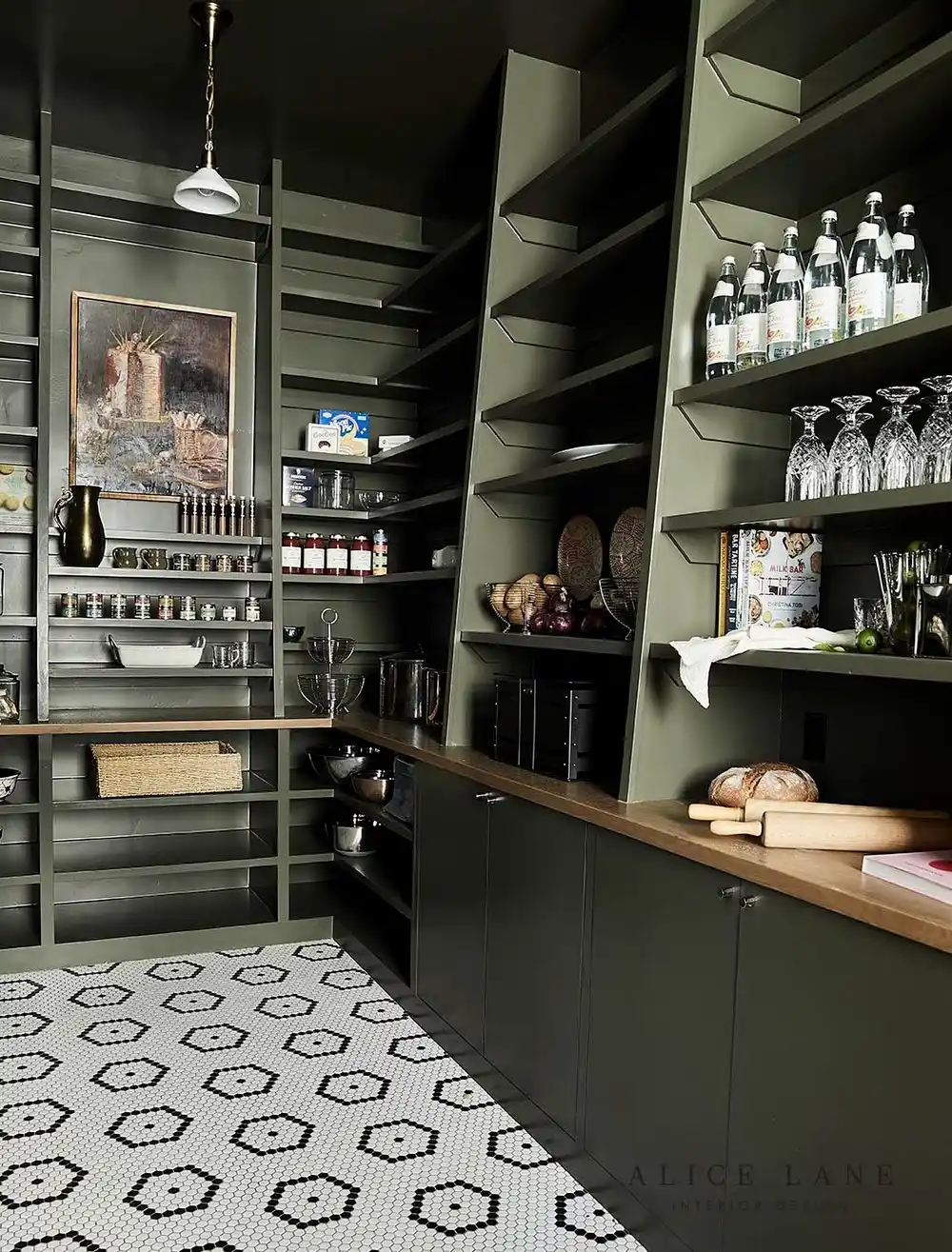
If you hide your ingredients behind solid cabinet doors or inside beautiful, ceramic jars, you will buy three extra boxes of pasta because you forgot you had them.
This system ensures you always know exactly what is on the menu.
What You’ll Need
- Clear plastic or glass bins (no lids allowed!)
- Open-wire baskets for bulkier items
- Lazy Susans for deep corners
Step-by-Step Instructions
- Remove the cabinet doors entirely from your main pantry area if you are feeling brave, or simply commit to using exclusively clear containers inside them.
- Ditch the cardboard boxes for your everyday staples. Group items by chaos level (e.g., all snack bars go into one open bin, all baking supplies into another).
- Place a Lazy Susan in any deep corner space so nothing can get lost in the dark abyss of the back shelf.
Why You’ll Love It
Visual memory is everything. When you can see your food at a single glance, meal planning stops feeling like a memory test.
It completely eliminates the anxiety of opening a cupboard only to be greeted by a wall of mystery boxes.
2. The No-Lid “Drop Zone” Basket
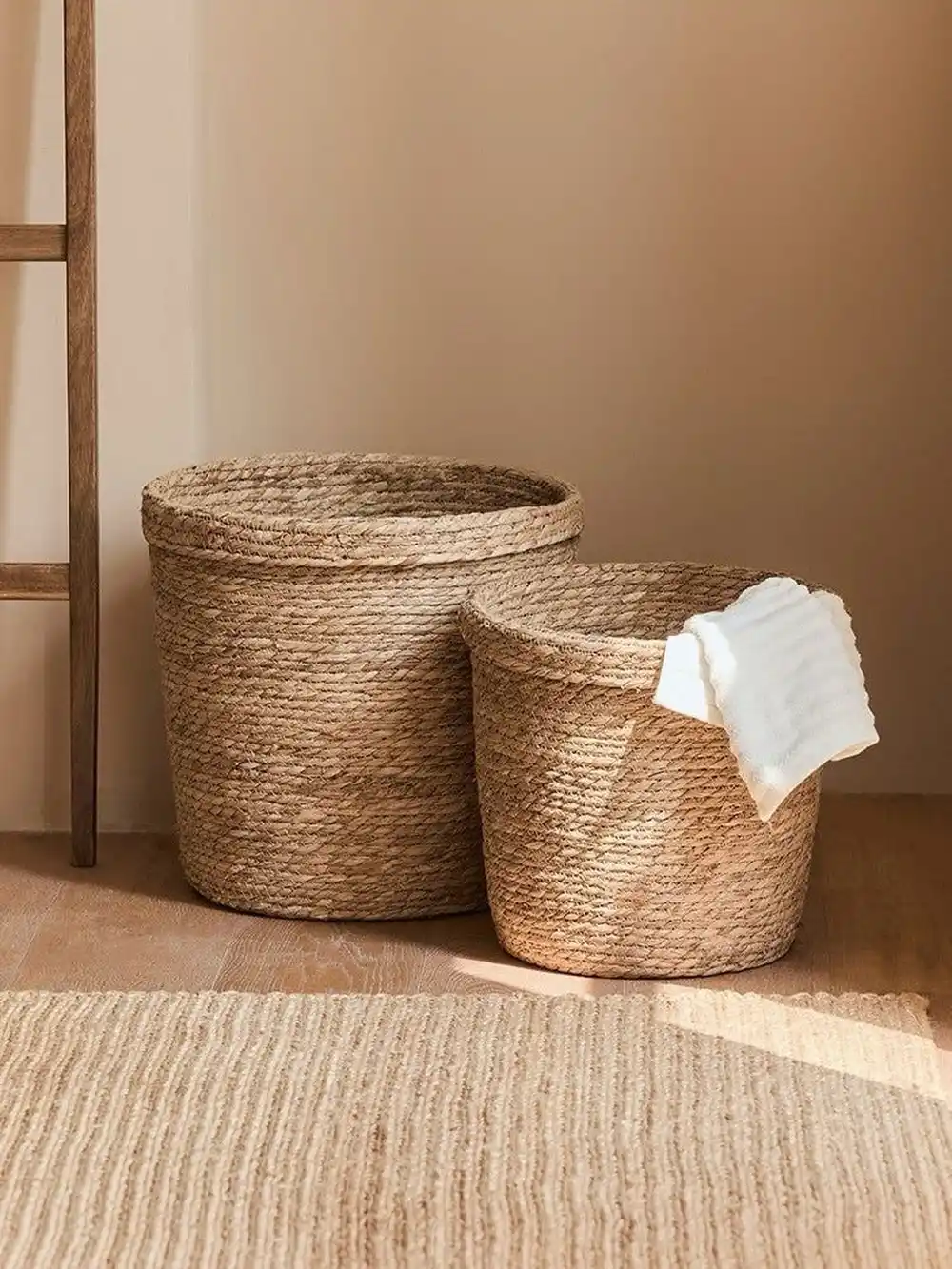
Putting things away properly requires energy. When executive dysfunction strikes, opening a cupboard, finding the right container, opening the lid, and placing the item inside is about four steps too many. This recipe cuts the steps down to one.
What You’ll Need
- Extra-large, attractive woven baskets
- Designated counter or floor space near the kitchen entrance
Step-by-Step Instructions
- Position a large basket right where you normally drop things when you walk into the kitchen.
- Declare this basket a judgment-free zone for unopened mail, clean dish towels you don’t want to fold, or bags of chips you haven’t put away yet.
- Empty the basket only when it fills to the brim or when you experience a random burst of cleaning energy.
Why You’ll Love It
It prevents the dreaded “doom piles” from scattering across your entire countertop. It clusters the mess into one designated, stylish spot.
IMO, containing the chaos to a single basket is a massive victory for your sanity.
3. The Visual Dish Drying Command Station
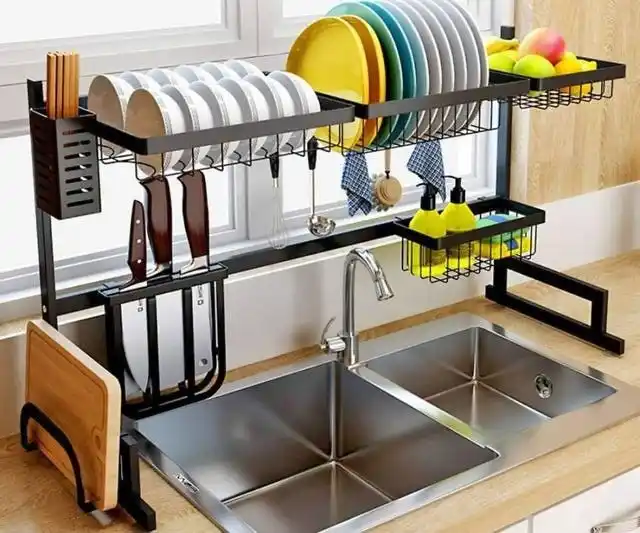
The absolute worst part of cooking? Emptying the dishwasher or putting away dry dishes. It is a tedious, low-dopamine task.
This system turns your dish storage into an active, single-step process.
What You’ll Need
- Over-the-sink tiered drying rack
- Exposed wall-mounted plate racks
Step-by-Step Instructions
- Install a sturdy, multi-tiered drying rack directly over your kitchen sink.
- Wash your daily dishes and place them immediately onto the rack.
- Leave them there. Instead of moving them to a cupboard, simply grab your plates, bowls, and mugs directly from the rack the next time you eat.
Why You’ll Love It
You are essentially eliminating the chore of “putting away dishes” from your life. The rack becomes the permanent home for your most-used kitchen items.
Who doesn’t love a system that cuts your workload in half?
4. The Magnetic Spice Wall
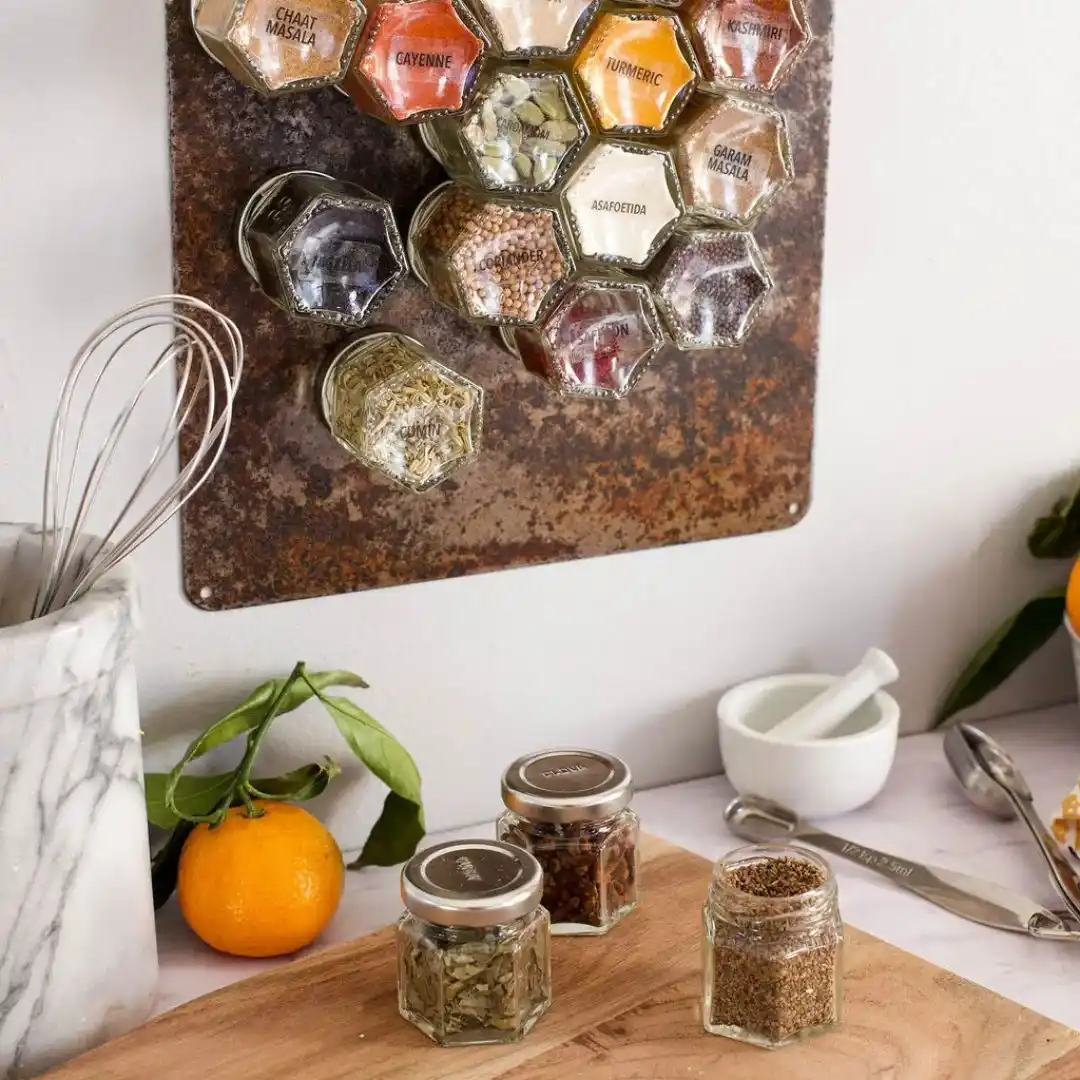
Digging through a dark spice drawer while something is actively burning on the stove is a recipe for a sensory meltdown.
This system puts your flavors exactly where your eyes can see them.
What You’ll Need
- Magnetic stainless steel strips or a magnetic white board
- Small, uniform magnetic spice tins with clear lids
- A bold marker
Step-by-Step Instructions
- Mount the magnetic strips onto an empty wall space right next to your cooking station or on the side of your refrigerator.
- Transfer your most-frequently used spices into the magnetic tins.
- Write the name of the spice in big, clear letters on the side or lid, and slap them onto the metal surface.
Why You’ll Love It
It keeps your countertops completely clear while displaying your spices like a colorful piece of functional art.
Plus, grabbing a tin off the wall and clicking it back into place delivers a genuinely satisfying hit of tactile dopamine.
5. The “Eat Me First” Fridge Box
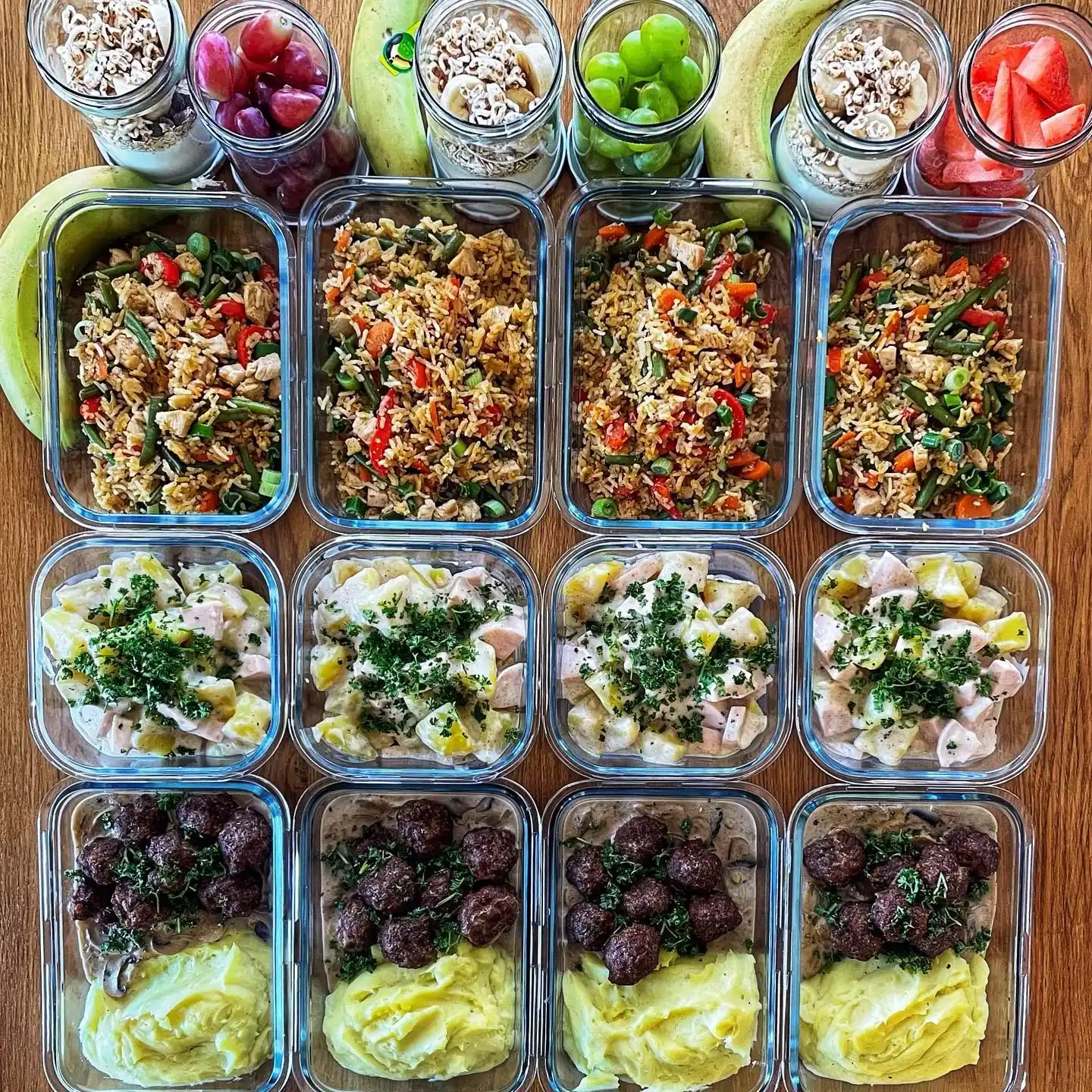
Have you ever forgotten about a fresh bag of spinach until it turned into a sad, green liquid at the bottom of your crisper drawer? You aren’t alone.
The crisper drawer is where good intentions go to die.
What You’ll Need
- One bright, highly visible plastic bin
- A large, brightly colored label or sticky note
Step-by-Step Instructions
- Place the bright bin on the middle shelf of your refrigerator, directly at eye level.
- Label the front with the words “EAT ME FIRST” or “USE NOW.”
- Move items out of the crisper drawers and into this bin the moment they approach their expiration date or whenever you need to clear out leftovers.
Why You’ll Love It
It creates a visual alarm clock for your food. Instead of standing in front of an open fridge waiting for inspiration to strike, your brain is immediately directed to the items that need your urgent attention.
6. The Pegboard Pot and Pan Display
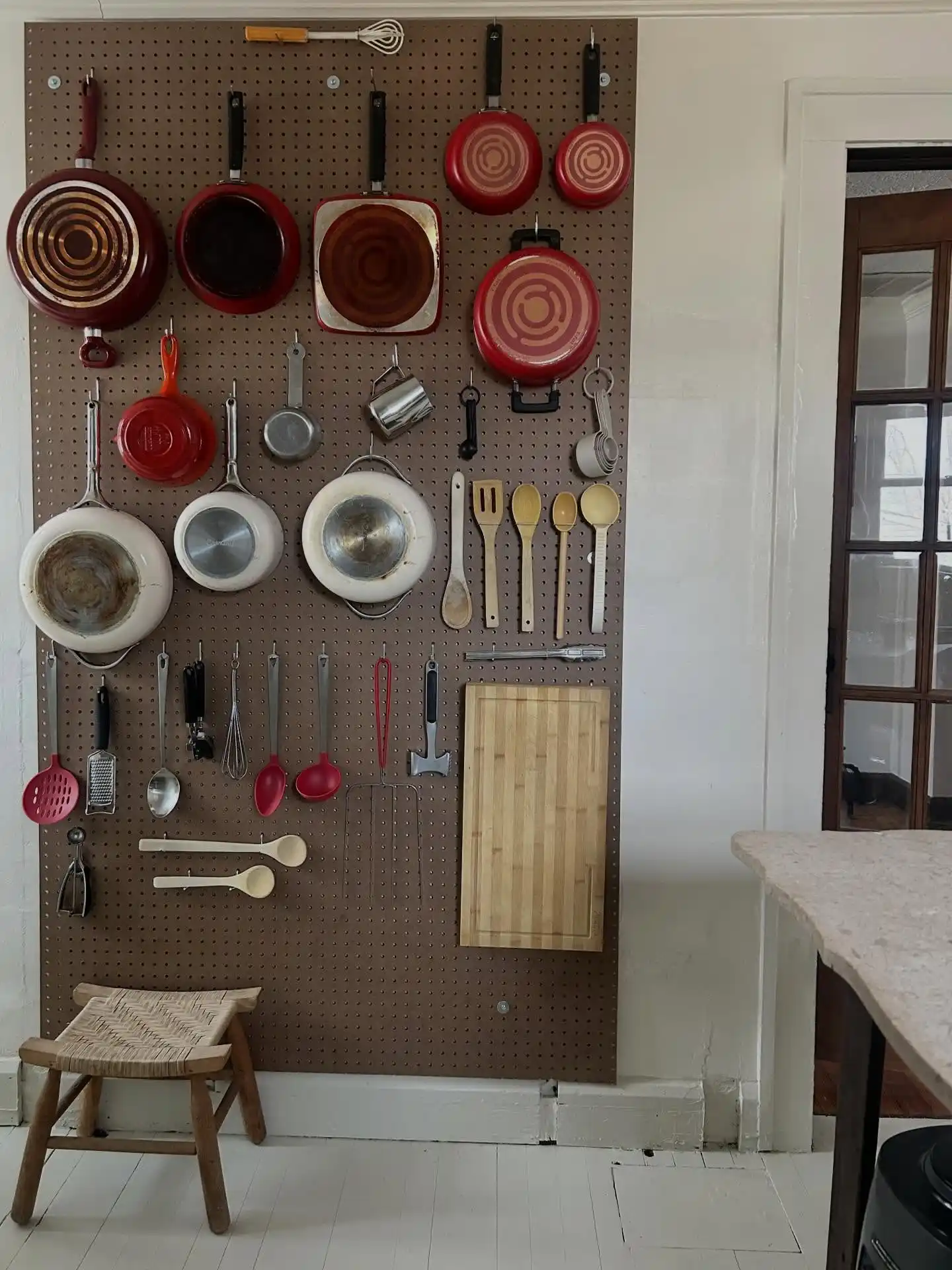
Nesting pots and pans inside one another creates an agonizingly loud sensory nightmare whenever you try to pull a heavy skillet out of the cupboard.
Let’s make your cookware accessible with zero clanging.
What You’ll Need
- Heavy-duty wall pegboard (metal or sturdy wood)
- Assorted pegboard hooks
- An empty wall segment
Step-by-Step Instructions
- Secure the pegboard firmly to your kitchen wall near the stove.
- Arrange your pots, pans, and large utensils on the hooks, spacing them out so they don’t touch.
- Optional pro-tip: Trace the outline of each item with a marker so your brain instantly knows exactly where each tool belongs when it is time to clean up.
Why You’ll Love It
It eliminates the physical barrier of stacking and unstacking heavy items. It turns your cookware into a highly functional display that requires absolutely no digging or heavy lifting.
7. The Rolling Meal Prep Cart
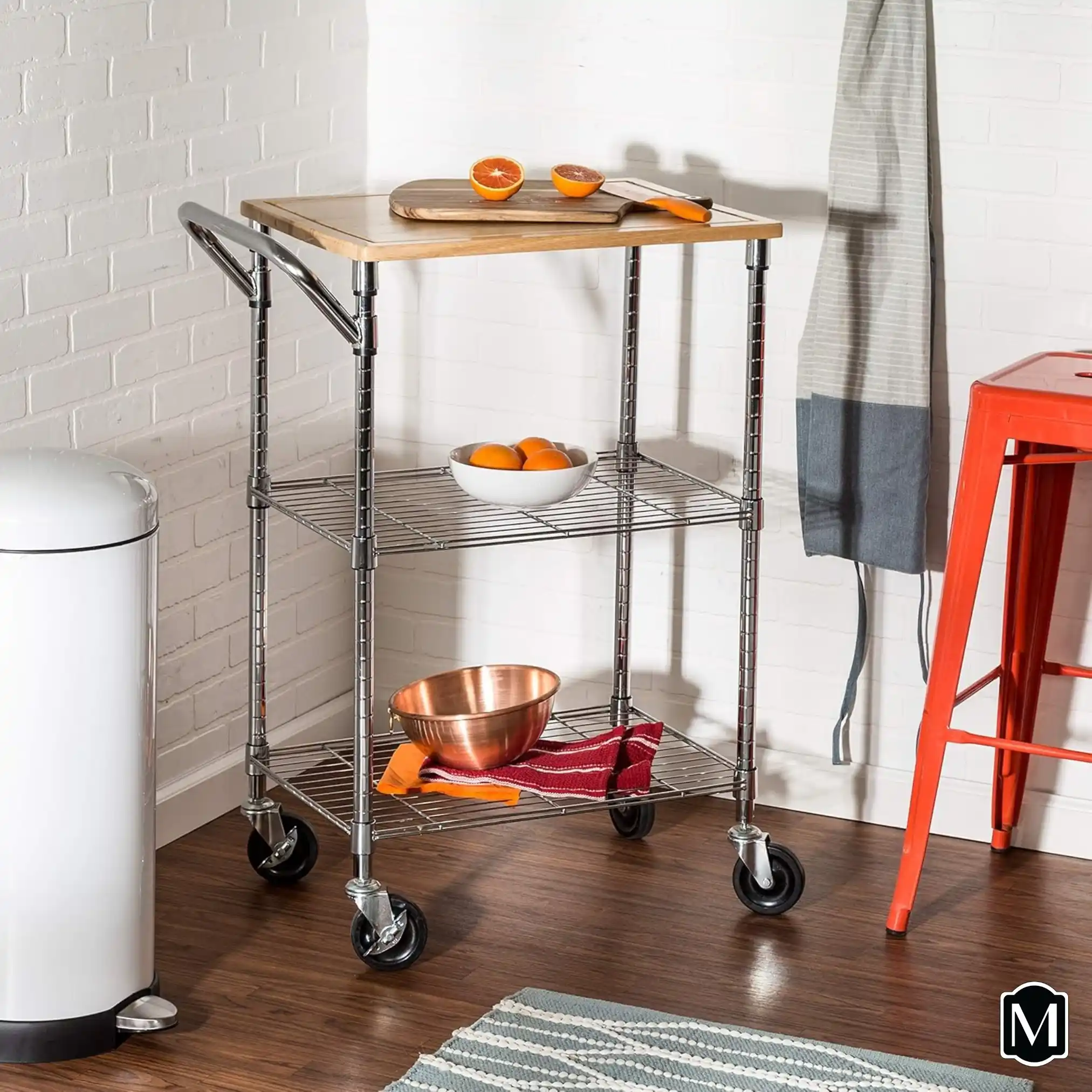
When kitchen tasks feel overwhelming, breaking them down into smaller steps is key.
If you don’t have the mental energy to stand at a kitchen counter for an hour, take the kitchen with you.
What You’ll Need
- A three-tiered rolling utility cart
- Your daily meal-prep essentials (cutting board, knives, oils, trash bags)
Step-by-Step Instructions
- Load the top shelf of the cart with your heavy-use prep items like cutting boards, mixing bowls, and favorite knives.
- Fill the middle and bottom shelves with shelf-stable ingredients, garbage bags, and small appliances you use constantly.
- Wheel the cart over to the dining table, the couch, or wherever you feel most comfortable sitting down to prep your meals.
Why You’ll Love It
Kitchen organization doesn’t have to keep you trapped in the kitchen.
This cart allows you to sit down in a sensory-friendly environment while you chop veggies or assemble your meals, making cooking feel like way less of an uphill battle.
8. The Color-Coded Zone Method
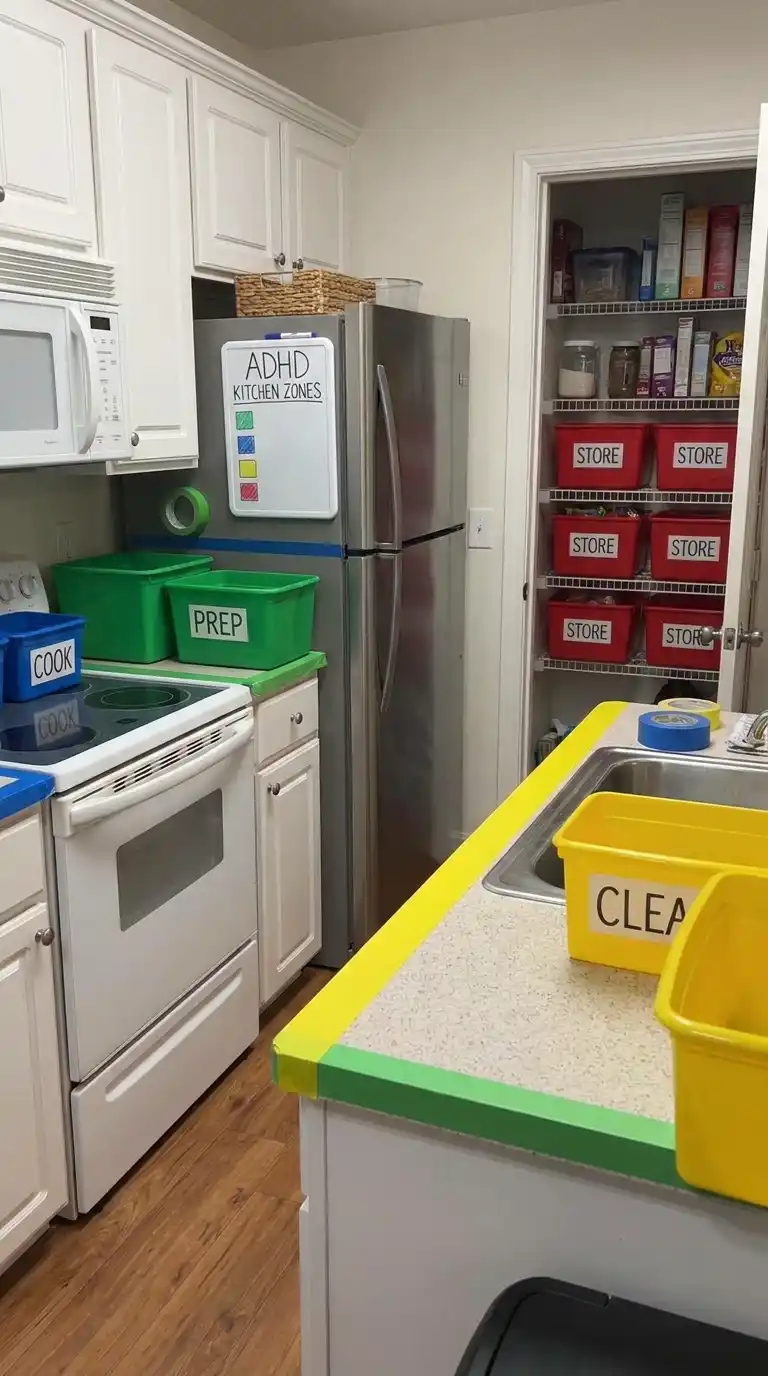
Labeling items with complex text descriptions can sometimes create too much visual noise for an overwhelmed brain to process.
Color-coding, however, allows your brain to categorize items instantly without reading a single word.
What You’ll Need
- Bright, colorful electrical tape or stickers
- Your existing kitchen storage containers
Step-by-Step Instructions
- Assign a color to a specific category (e.g., Red for breakfast items, Blue for dinner staples, Green for healthy snacks).
- Wrap a small piece of colored tape around the neck of jars, the handles of baskets, or the edges of shelves.
- Train your eyes to match the color of the item to the color of the zone when putting things away.
Why You’ll Love It
It reduces the cognitive load of organizing. Your brain registers color significantly faster than text, turning the act of cleaning up into a simple, automated matching game rather than a chore.
9. The Under-Sink Tension Rod Trick
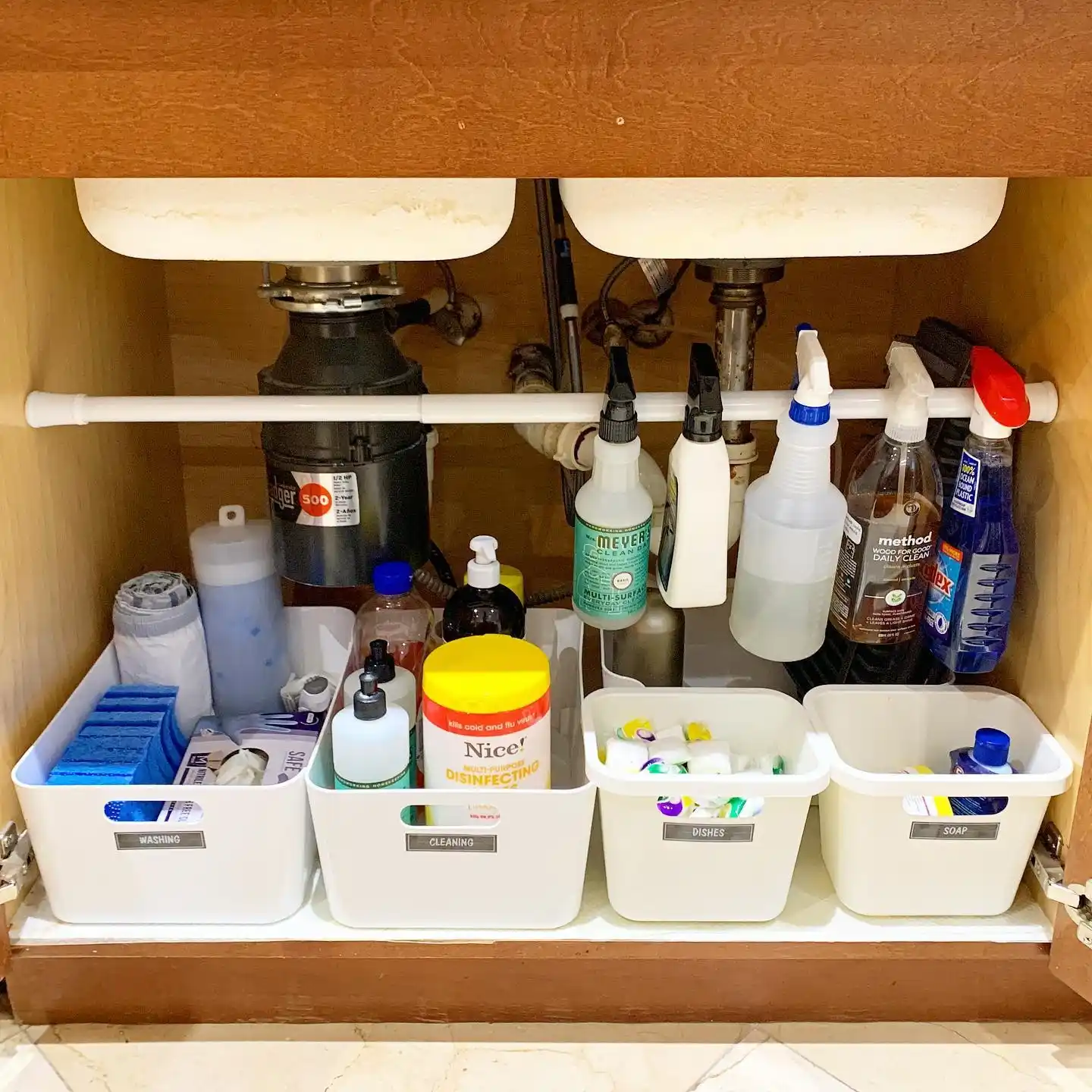
The dark void underneath the kitchen sink is a magnet for half-empty bottles of surface cleaner, stray sponges, and pure chaos.
This quick structural recipe maximizes your vertical space instantly.
What You’ll Need
- One heavy-duty expandable tension shower rod
- Your spray bottles of cleaning solutions
Step-by-Step Instructions
- Twist and lock the tension rod horizontally inside the cabinet under your sink, placing it a few inches below the top of the cabinet frame.
- Hang your cleaning spray bottles by their trigger nozzles directly onto the rod.
- Use the newly cleared floor space below for small bins to house your sponges, scrub brushes, and garbage bags.
Why You’ll Love It
It utilizes completely dead vertical space and keeps your cleaning supplies organized in a single, neat line.
No more knocking over three bottles of dish soap just to find the surface spray hidden in the back.
10. The One-Touch Utensil Jar
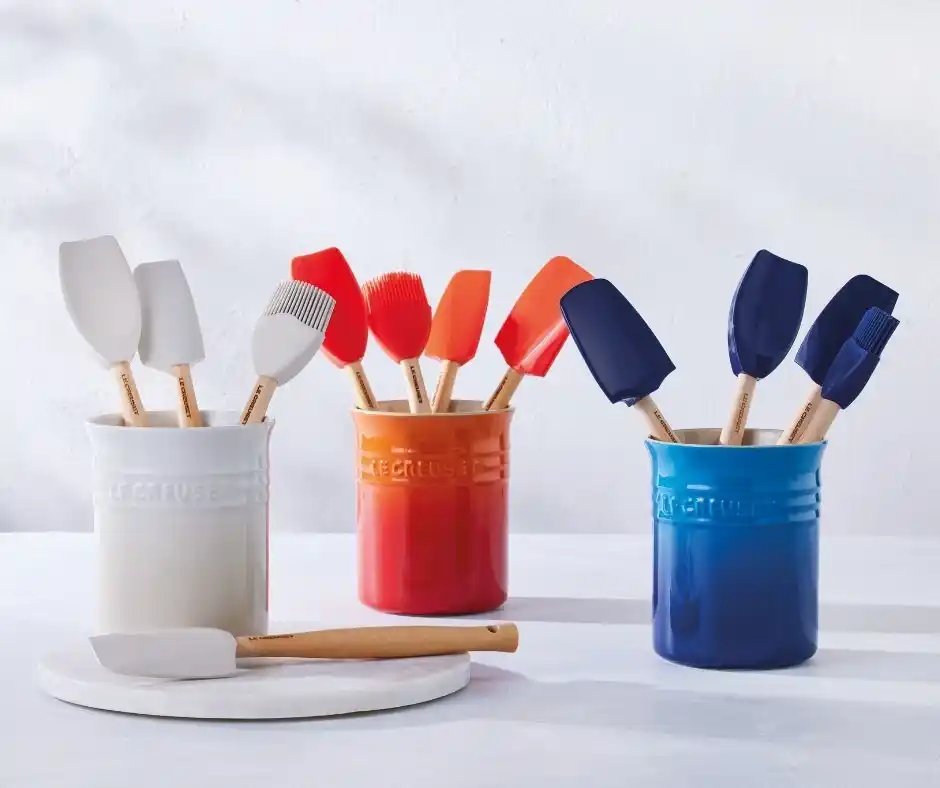
Divided silverware drawers with tiny, restrictive slots are incredibly annoying to maintain.
Sorting forks, spoons, and knives into microscopic plastic dividers takes patience you might not always have. Let’s simplify the setup.
What You’ll Need
- Three large, wide-mouthed ceramic jars or heavy canisters
- Your daily silverware
Step-by-Step Instructions
- Place the three jars directly on your kitchen counter or on an open shelf right next to your dining area.
- Designate one jar for forks, one for spoons, and one for knives.
- Unload your clean silverware by dropping them straight into their open jars without opening a single drawer.
Why You’ll Love It
It turns an annoying sorting task into a simple game of tossing items into open containers.
It keeps your most essential dining tools completely visible and incredibly accessible for every single meal.
Keeping the Chaos Contained
At the end of the day, the best kitchen organization system is the one that actually works for your unique brain.
Forget about the pristine, minimalist aesthetics you see on social media. A kitchen should be a functional toolkit for your life, not a museum display.
By prioritizing visibility, minimizing the steps required to put things away, and leaning into simple color cues, you can create a low-stress environment that preserves your precious executive energy.
Pick two or three of these systems to try out this weekend, keep the ones that click, and discard the ones that don’t. You’ve got this!


