

10 DIY Herb Planter Styles Using Up cycled Materials

Old containers deserve a second life, and herbs give them one. Upcycled planters turn trash bins, tin cans, and broken furniture into homes for basil, mint, and rosemary.
This approach saves money and keeps usable materials out of landfills, all while adding character no store bought pot can match.
Each item carries its own history, so a herb garden built this way never looks like everyone else’s.
This article covers 10 DIY herb planter styles built from upcycled materials, showing how everyday junk can grow into something useful and good looking on a windowsill, porch, or patio.
1. Mason Jar Herb Garden
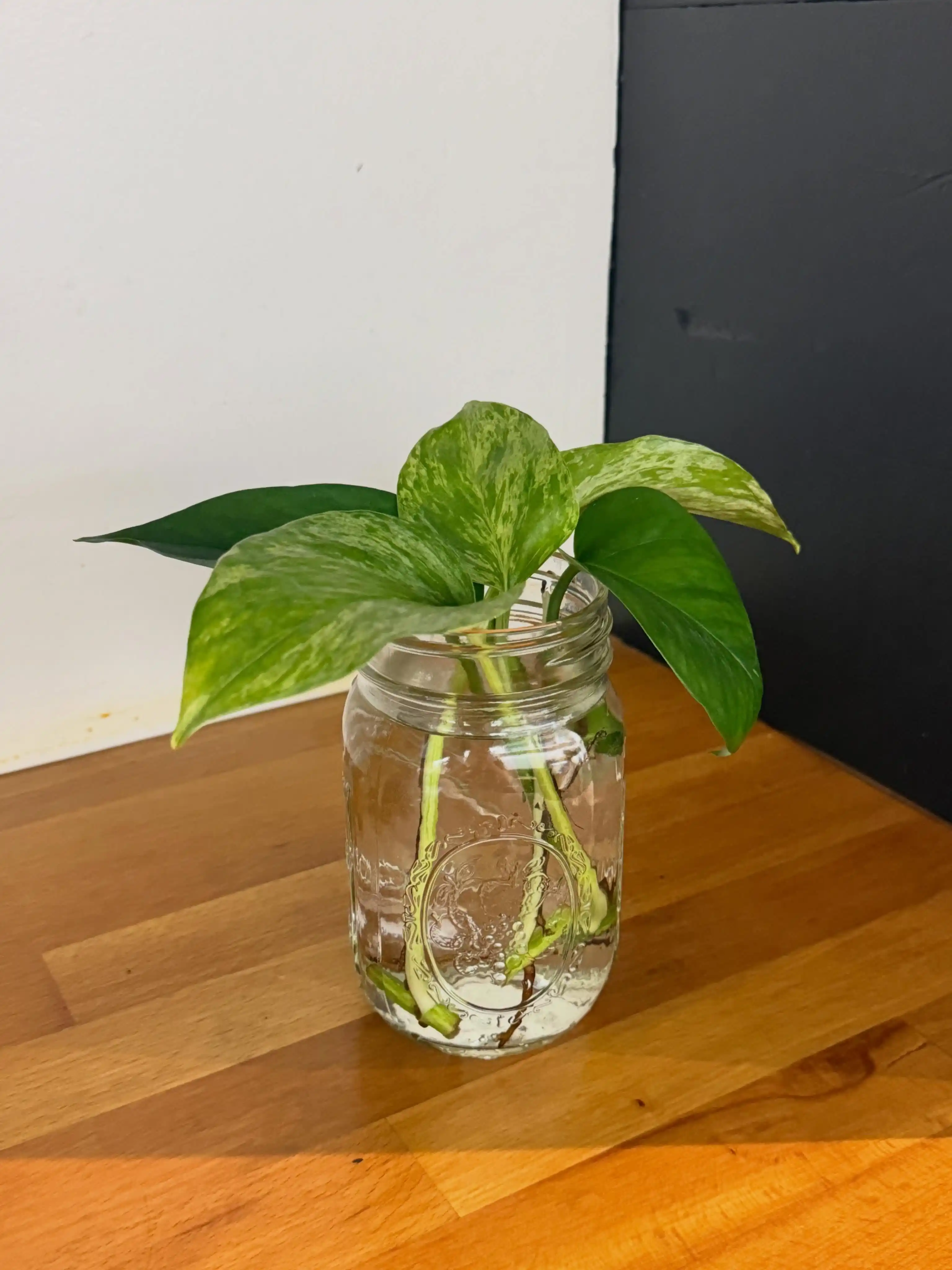
A clear glass mason jar holds clean water and a leafy cutting, its stems trimmed and dropped straight into the jar to root.
Variegated leaves spread out wide above the rim, soaking up light against a plain white and black backdrop.
New roots form slowly along the submerged stem, visible through the clear glass walls.
Empty jars from pasta sauce or pickles work just as well as branded canning jars, so nothing goes to waste.
Gardeners often line up several jars on a windowsill, watching roots grow before moving each cutting into soil.
2. Hand Painted Plant Hangers
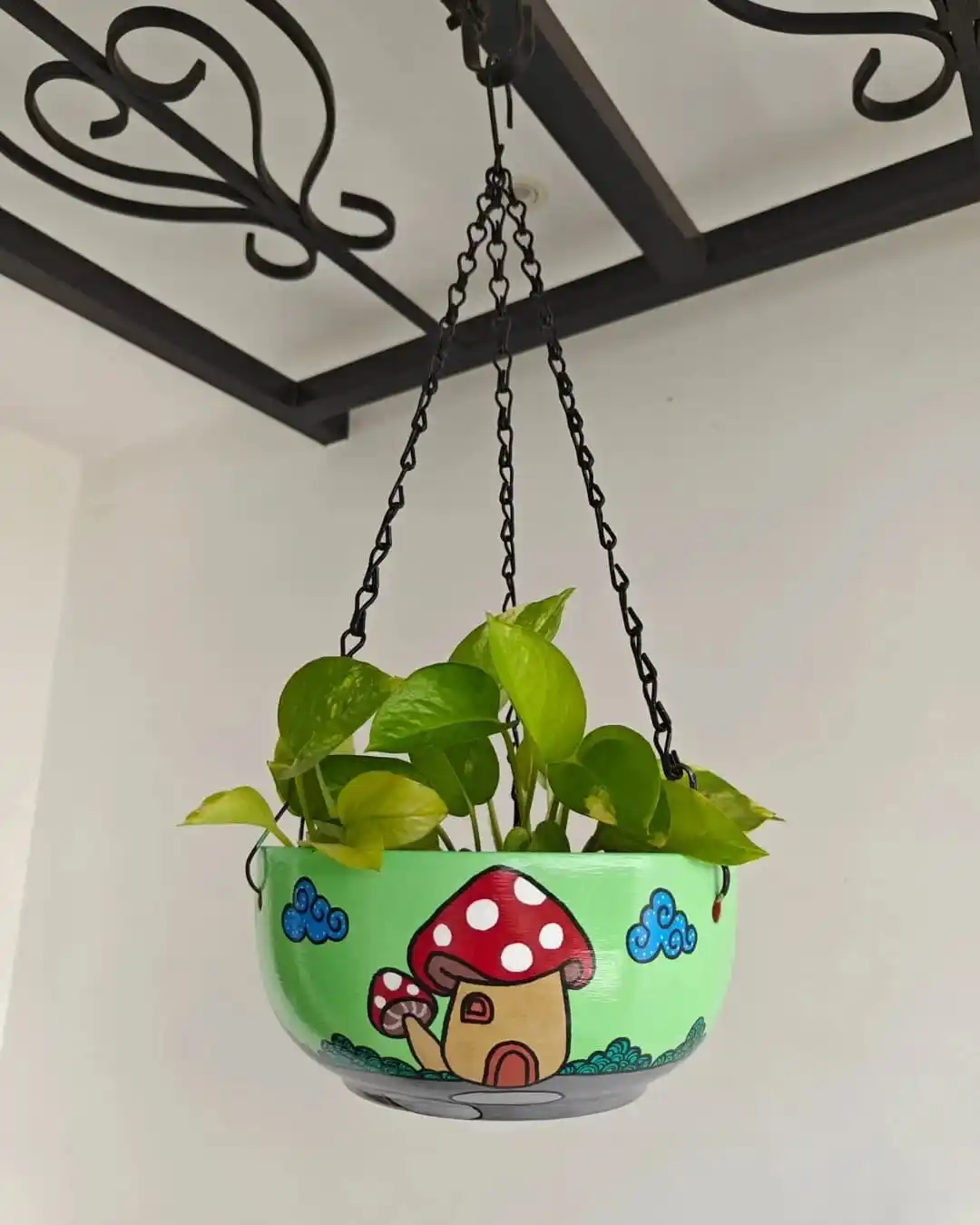
A green metal bowl hangs from black iron chains, its surface covered in a playful mushroom house scene painted by hand.
Trailing pothos spills over the rim in every direction, filling the bowl with bright yellow green leaves.
Decorative wrought iron beams frame the bowl from above, adding an old world touch to the setup.
Builders rescue old metal bowls or buckets from scrap piles, then coat them in primer before adding any design.
A few coats of enamel paint protect the artwork from moisture, so the hand drawn scene stays vivid for years of regular watering.
3. Upcycled Glass Bottle Herbs
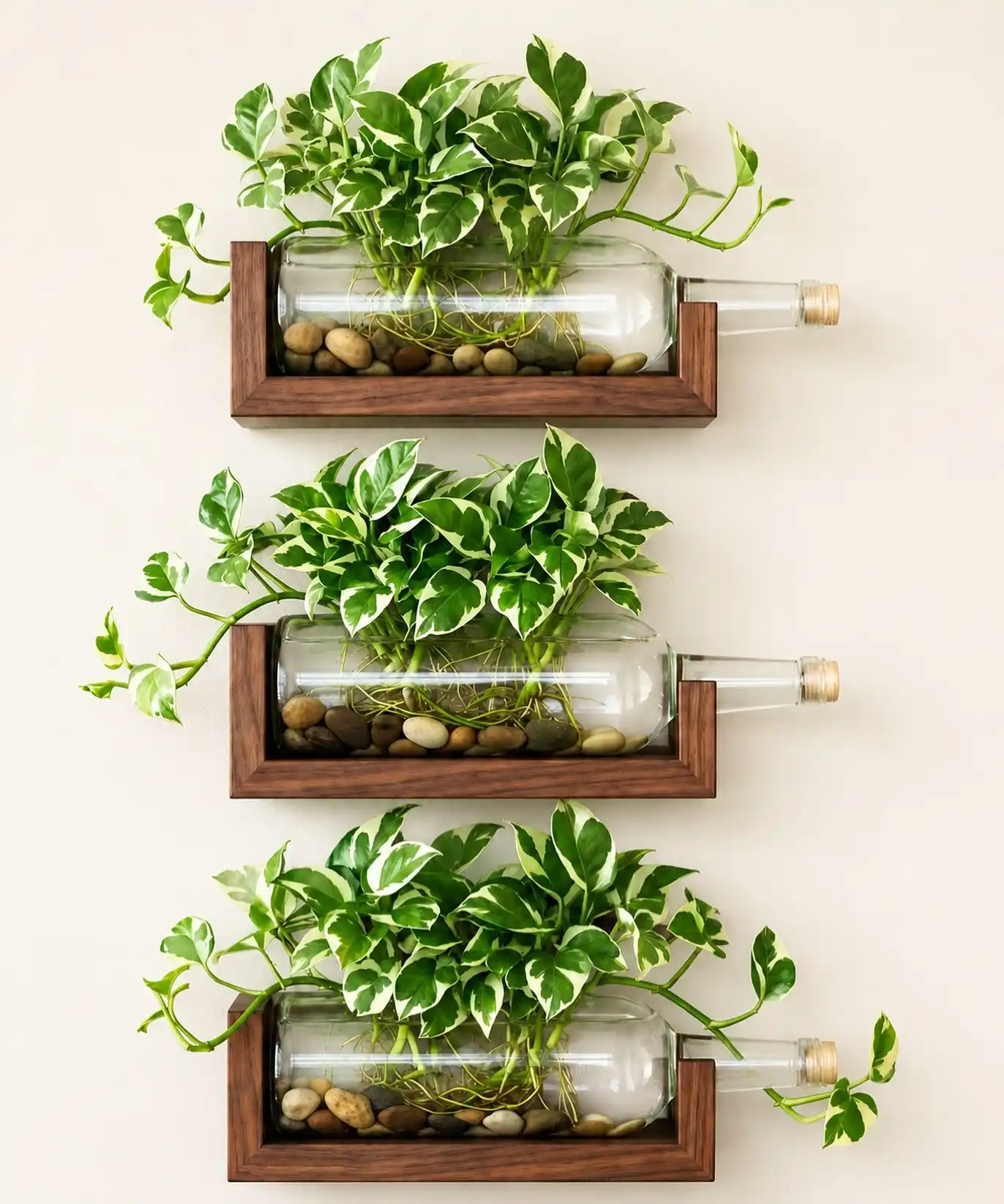
Three glass wine bottles rest on their sides inside wooden frames, each one stacked above the next on a plain wall.
Pebbles fill the base of every bottle, holding leafy stems upright as roots stretch through the water inside.
Variegated vines spill out past the bottle openings, trailing down toward the frame below.
Crafters cut the bottom off each bottle, then sand the edges smooth before slotting them into a custom frame.
Wine bottles add a sleek, modern touch to any wall, since the clear glass shows off roots while the wood casing keeps the whole piece feeling intentional.
4. Tea Tin Succulent Garden
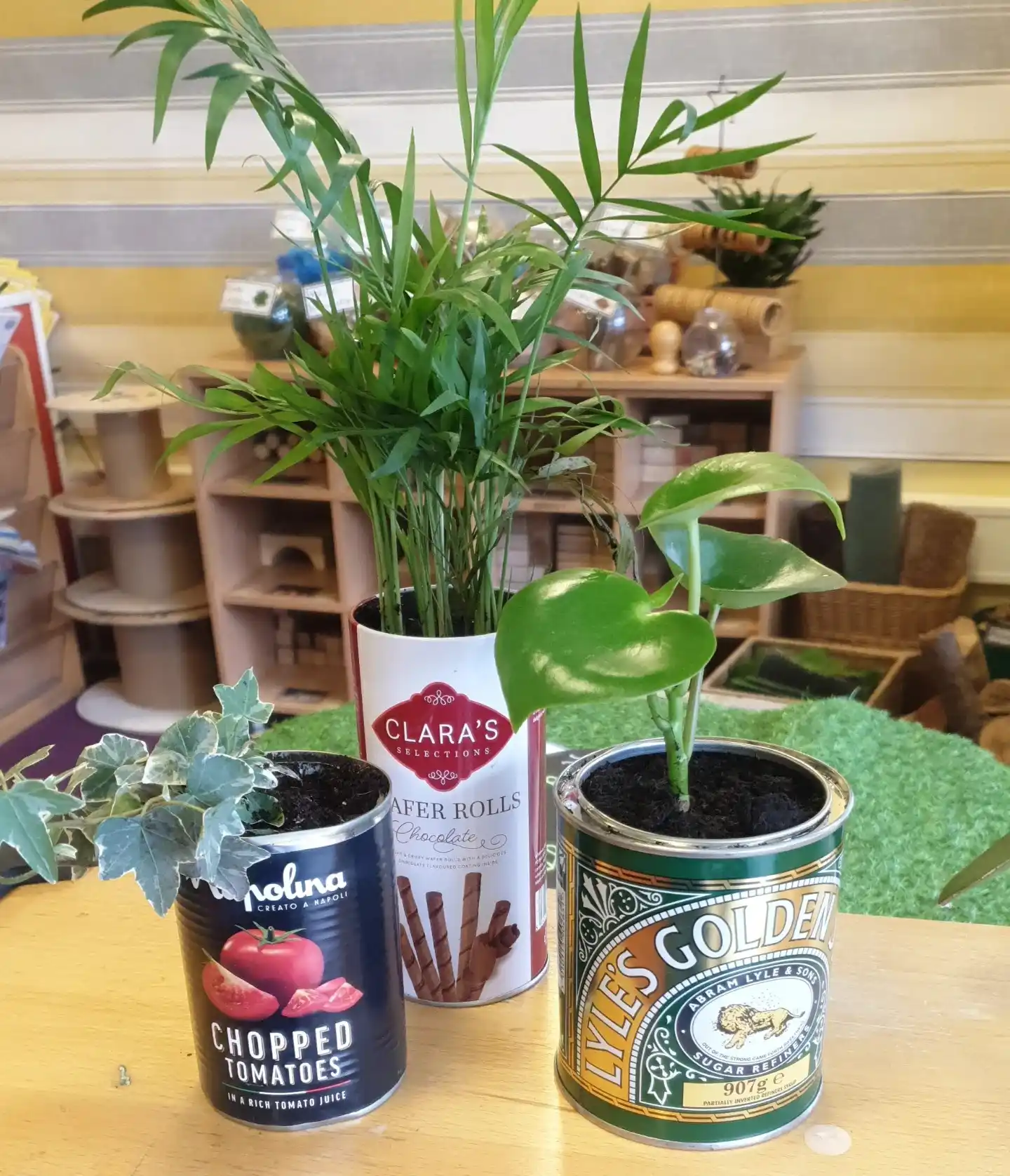
Three labeled food tins sit side by side on a wooden table, their original branding still visible beneath fresh soil and new growth.
A chopped tomato can holds trailing ivy, while a wafer roll tin supports a tall leafy palm, and a golden syrup tin cradles a young pothos cutting.
Bright classroom shelves and woven baskets fill the background, giving the scene a creative, hands on feel.
Kitchens generate plenty of empty cans, so this option costs nothing beyond a quick rinse and a few drainage holes punched in the base.
Bold labels like these add instant personality, turning what was once headed for the recycling bin into a quirky little garden.
5. Egg Carton Seed Starter
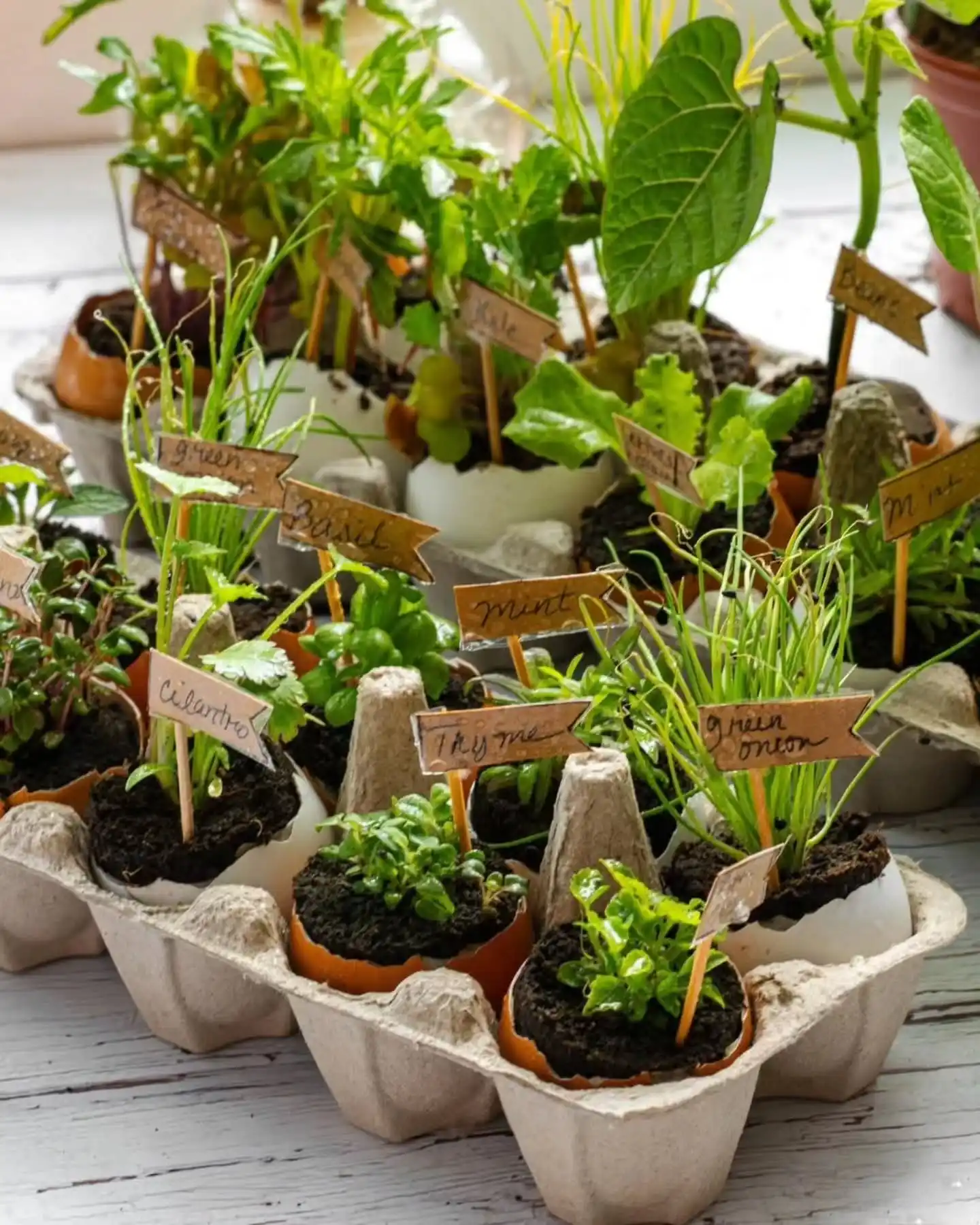
Cracked eggshells filled with dark soil rest snugly inside a cardboard egg carton, each one sprouting a different young herb.
Tiny handwritten labels mark cilantro, mint, thyme, and green onion, stuck into the dirt on small wooden sticks.
Basil and other seedlings peek out between the shells, packed close together across two full cartons.
Cracked shells double as natural pots, since they crumble easily once buried and feed the soil with calcium as they break down.
Cardboard cartons keep everything steady during watering, so this option costs nothing extra beyond what most kitchens throw away daily.
6. Coconut Shell Plant Pots
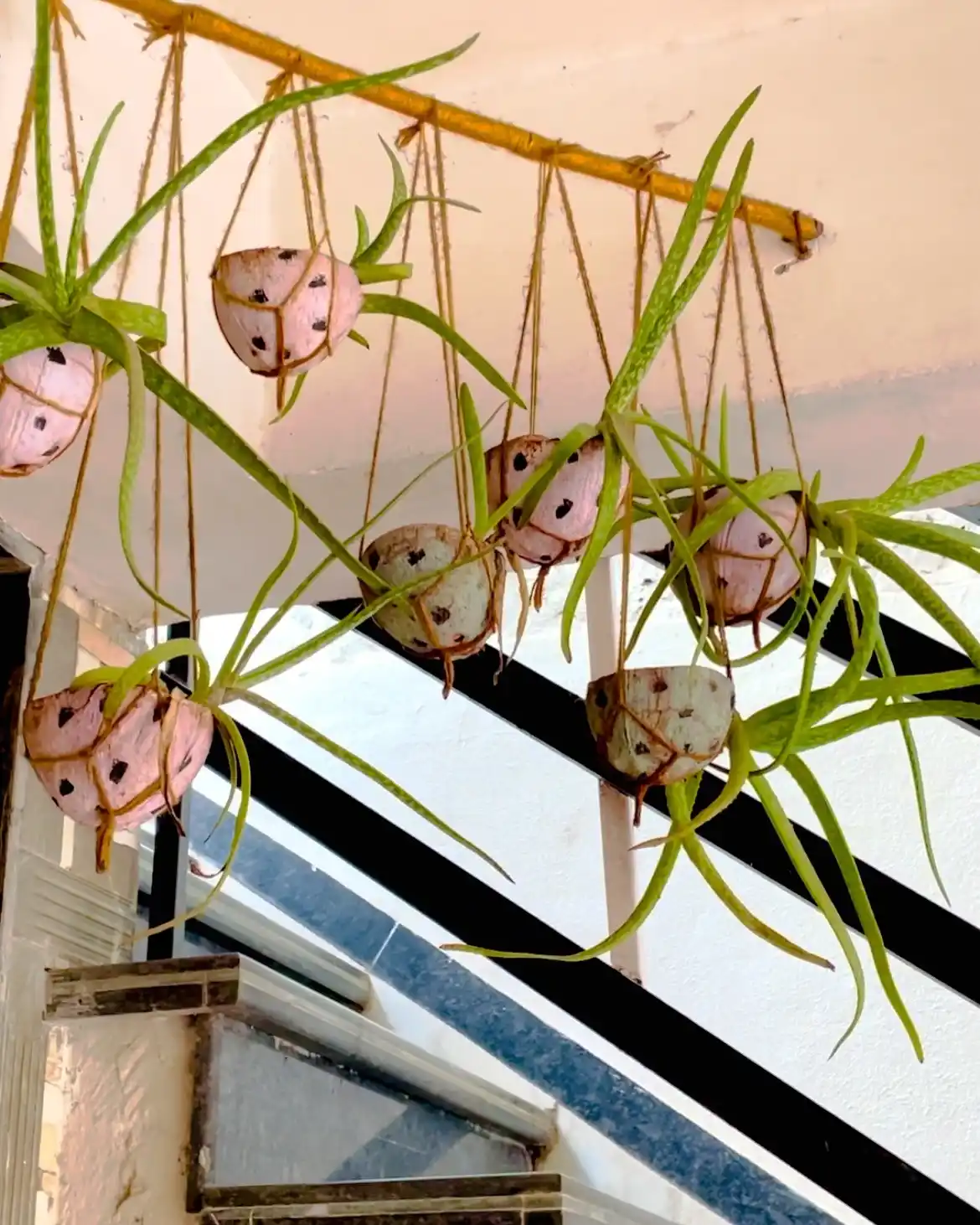
Halved coconut shells hang in a row from a wooden pole, each one cradled in crisscrossed twine that loops up to form a sturdy net.
Long grass like leaves shoot upward and outward from inside the shells, brushing against a striped staircase below.
Sunlight streams through nearby windows, lighting up the pale insides of the cracked shells.
Builders strip the husk before drying the shell, then poke drainage holes through the bottom to keep roots healthy.
Natural rope or jute works well for hanging, since it holds firm under the shell’s weight without slipping loose over time.
7. Repurposed Pallet Herb Wall
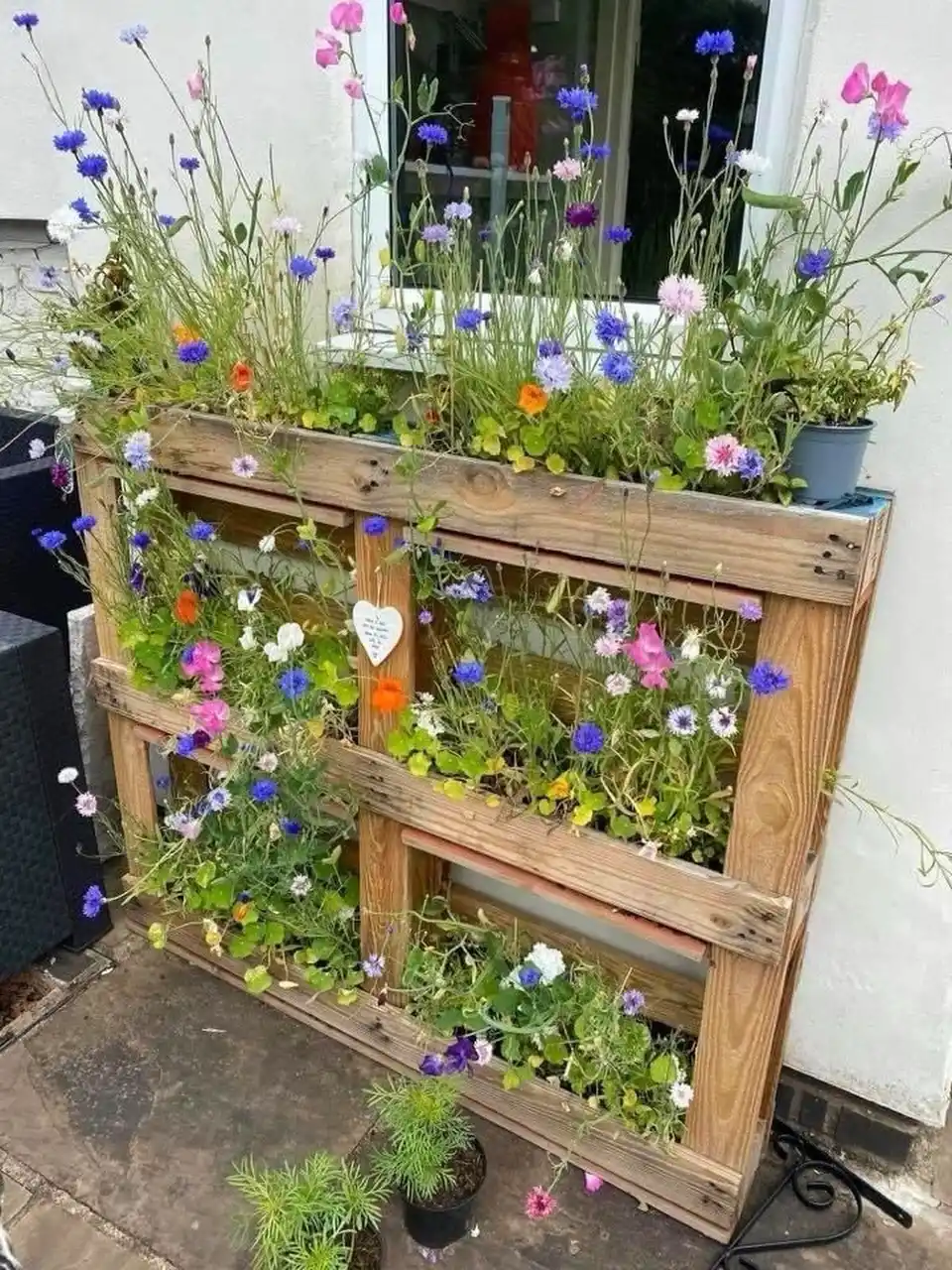
A wooden shipping pallet stands upright against a wall, its gaps stuffed with soil and overflowing wildflowers in shades of blue, pink, and orange.
Tall cornflowers shoot up from the top edge, while shorter blooms fill the open slats below in dense, colorful clusters.
A small wooden heart tag hangs near the center, adding a personal note to the rustic display.
Builders line each pallet gap with fabric or plastic sheeting, holding soil in place while still letting water drain through.
Standing the pallet on end turns a flat piece of scrap wood into a tall, space saving planter that fits neatly beside a doorway or window.
8. Old Shoe Organizer Plants
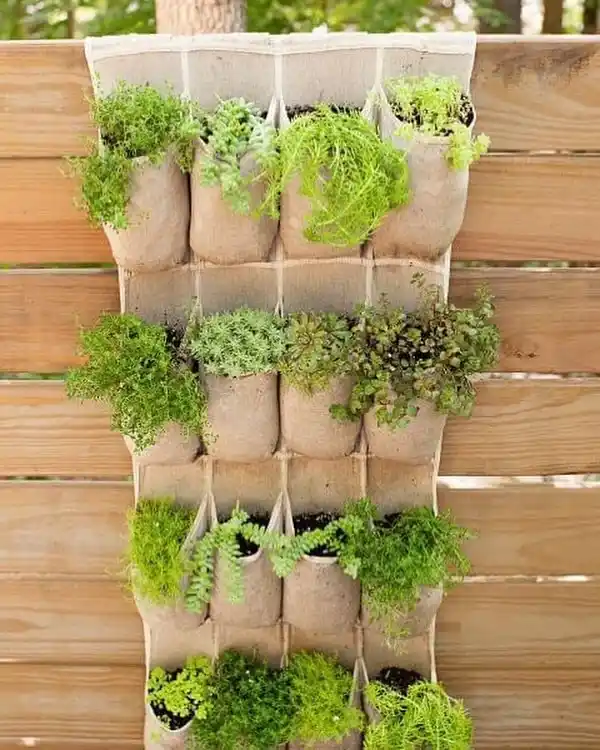
A canvas shoe organizer hangs flat against a wooden fence, its rows of small pockets stuffed with soil and packed full of trailing succulents and herbs.
Four pockets fill each row, creating a neat grid of green that climbs from top to bottom.
Wood slats peek through the gaps between pockets, giving the whole piece a warm, outdoor backdrop.
Closet organizers like this one usually end up tossed once the fabric wears thin or the pockets stretch out, but a few drainage holes and some soil give them new purpose outdoors.
Hanging the organizer on a fence or door also saves serious floor space, fitting a dozen small plants into one slim vertical strip.
9. Eco Gardening Inspo
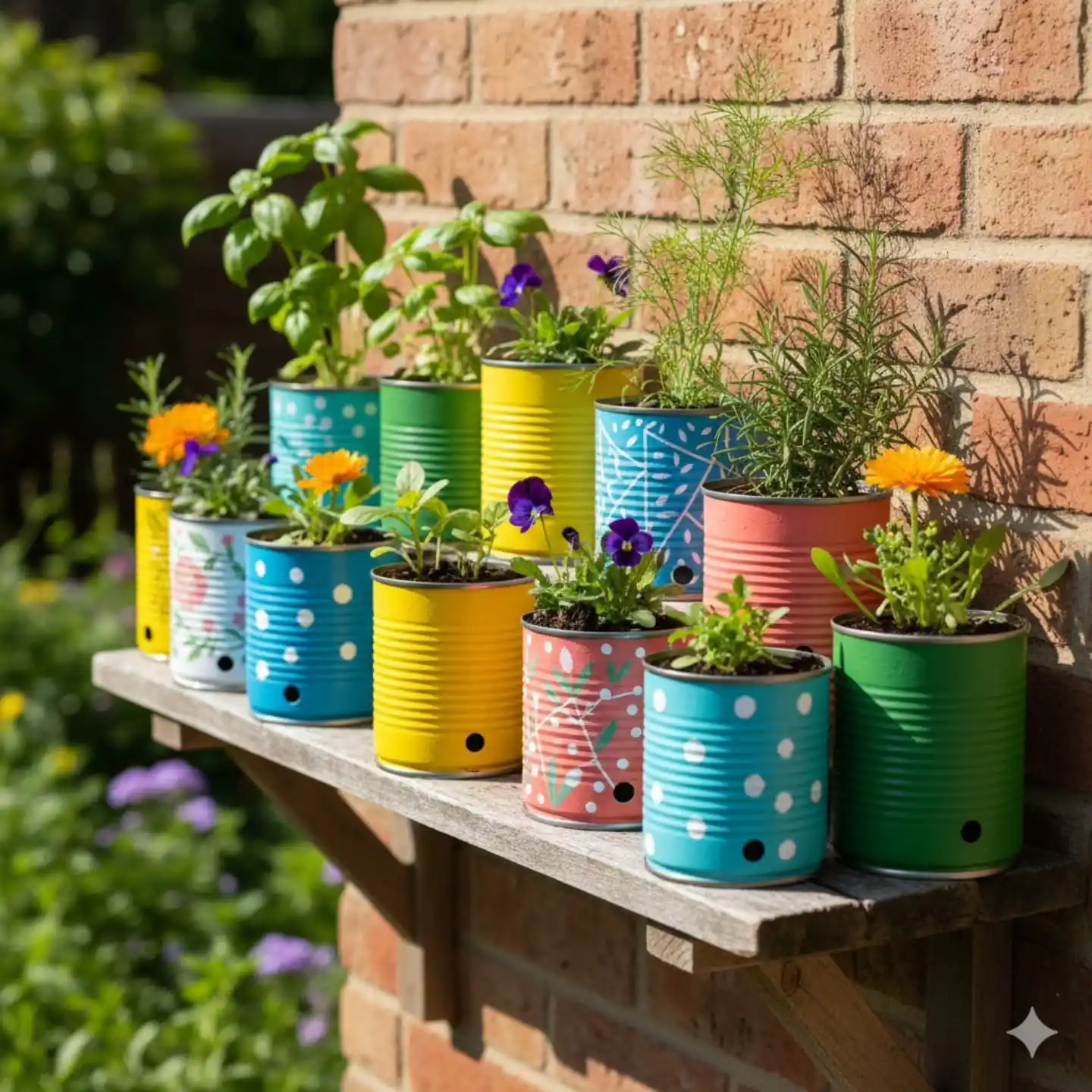
A wooden shelf holds a row of tin cans, each one painted in a different bright color and pattern, from polka dots to hand drawn flowers.
Basil, rosemary, and dill fill the taller cans, while marigolds and violas add pops of orange and purple between them.
Drainage holes show along the lower edge of each can, letting excess water escape onto the brick wall behind.
Crafters wash out old cans, then prime and paint them before drilling holes through the base for runoff.
Lining several cans together on one shelf creates a cheerful, rainbow effect, turning a stack of trash into a display that brightens any patio corner.
10. Thrifted Plant Styling
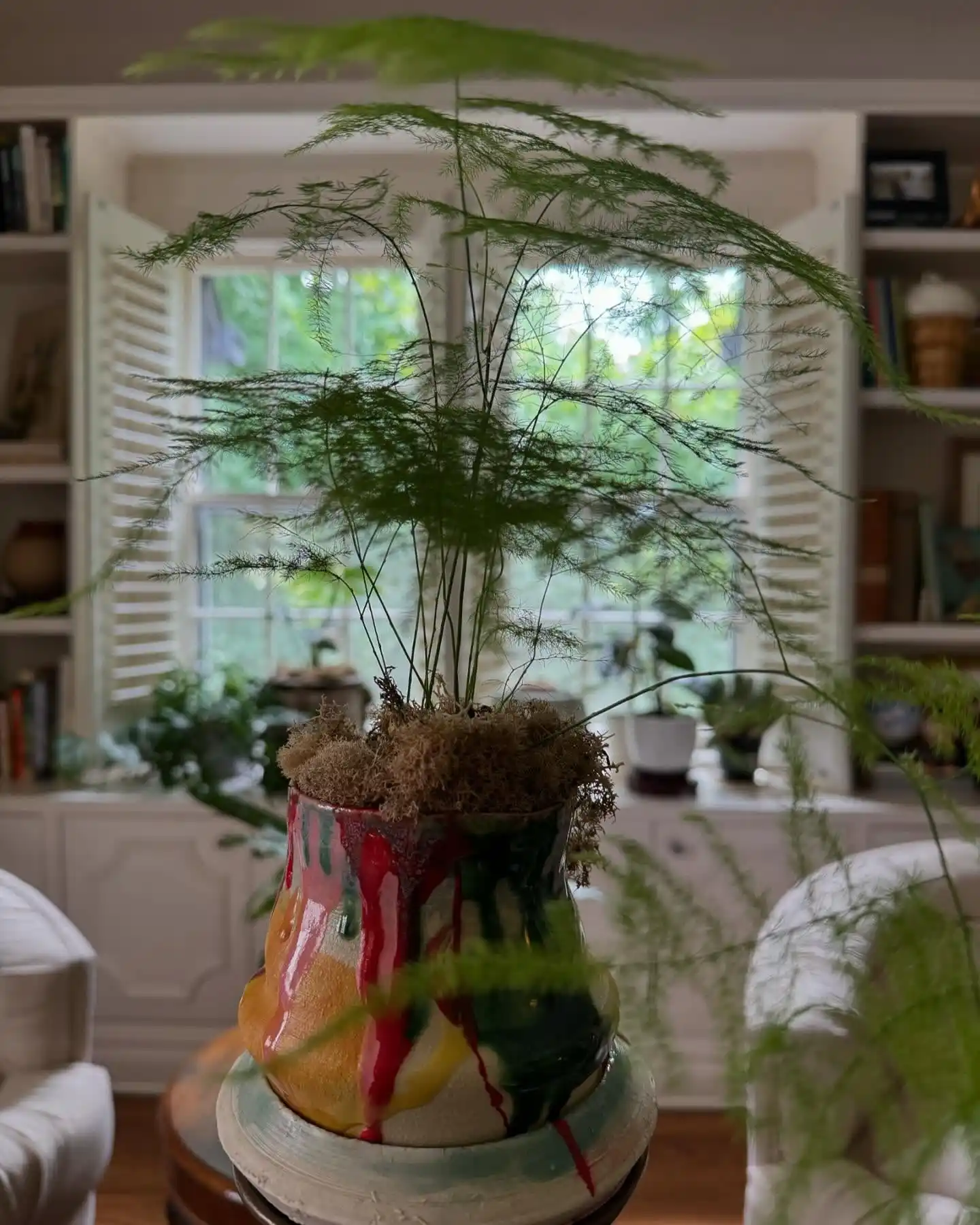
One more flag before I write this up: this pot is a thrifted ceramic vase with a drippy, hand glazed finish in red, orange, and green, holding a feathery asparagus fern in a bright living room.
It’s a lovely thrifted find, but a store bought or thrifted ceramic vase isn’t the same as an upcycled material repurposed from another use, like a tin can, tire, or wine bottle.
So this one still sits outside the article’s “upcycled materials” angle.
Why You Need an Indoor Herb Garden:
Supermarket herbs present constant frustrations. You buy a plastic bundle for a single recipe.
The remainder turns to slime in your refrigerator within days. This waste drains your grocery budget quickly.
Moving your cultivation inside fixes these common issues immediately.
Fresh clippings instantly elevate your home cooking with intense flavor. Growing greens on your counter also guarantees you consume clean food free of unknown chemicals.
Having live foliage nearby improves your indoor air quality naturally. This simple setup turns your kitchen into a functional, dynamic culinary workspace.


