

What Is a Saucepan? A Complete Guide for Everyday Cooking

What is a saucepan? Discover how this essential cookware works, its everyday uses, and why it’s a must-have tool for efficient cooking in every kitchen.
A saucepan is one of the most versatile and essential pieces of cookware you can own.
Whether you’re boiling, simmering, or preparing sauces, this simple pan can handle a wide range of tasks with ease.
In this guide, we’ll explore everything you need to know about saucepans—what they are, how they’re used, and how to choose the right one for your kitchen.
What Is a Saucepan?
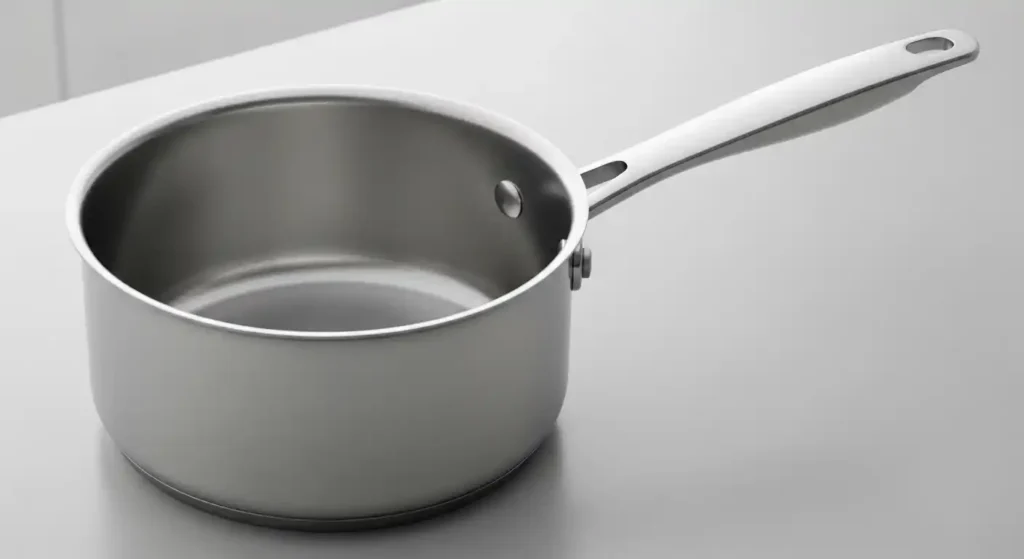
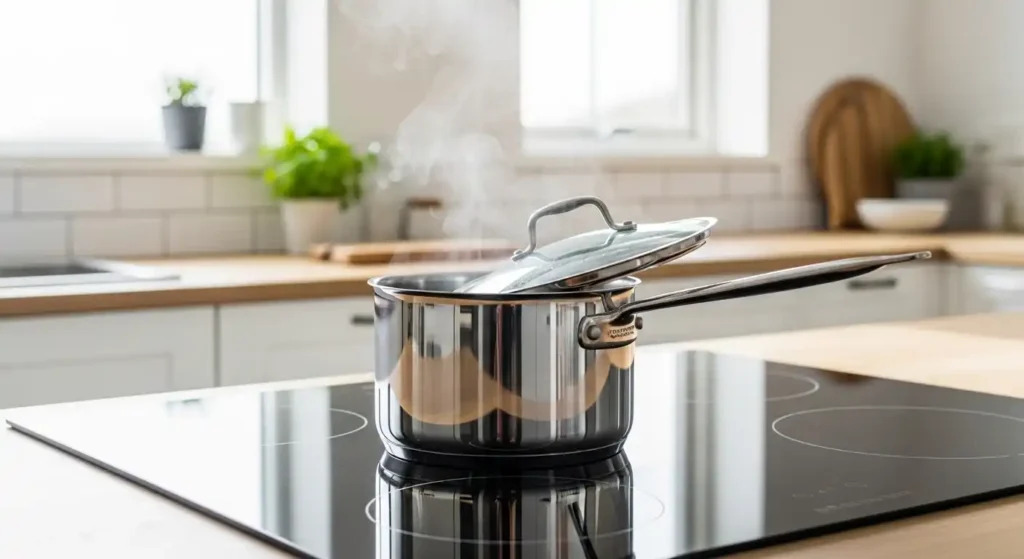
A saucepan is a deep, round cooking pot with a flat bottom, tall straight sides, and a long handle.
It often comes with a lid and is designed primarily for cooking liquids or foods that require simmering or boiling.
So, what is a saucepan used for in everyday cooking? It’s your go-to tool for tasks that involve heating liquids, cooking grains, or making sauces.
Key Features of a Saucepan
- High, straight sides to hold liquids without spilling
- Flat base for even contact with heat
- Long handle for easy lifting and control
- Optional lid to trap heat and moisture
Saucepans are available in different sizes, usually ranging from 1 to 4 quarts, making them suitable for both small and medium cooking tasks.
What Is a Saucepan Used For?
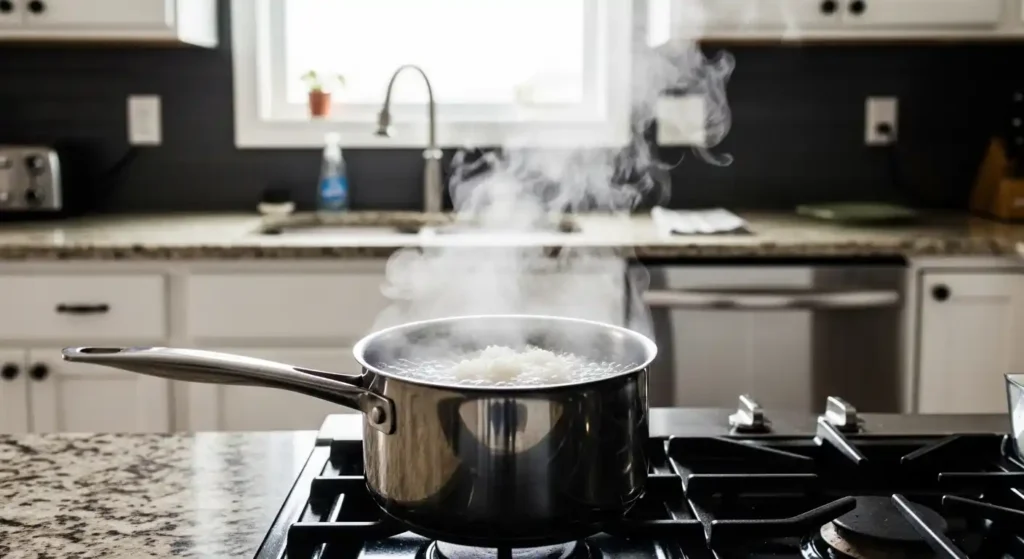
One of the reasons saucepans are so popular is their versatility. They can be used for a wide variety of cooking tasks.
Common Uses
- Boiling water for pasta or noodles
- Cooking rice, oats, or grains
- Heating soups and broths
- Preparing sauces and gravies
- Reheating leftovers
Because of their deep structure, saucepans are especially useful when working with liquids or recipes that require simmering.
Types of Saucepans
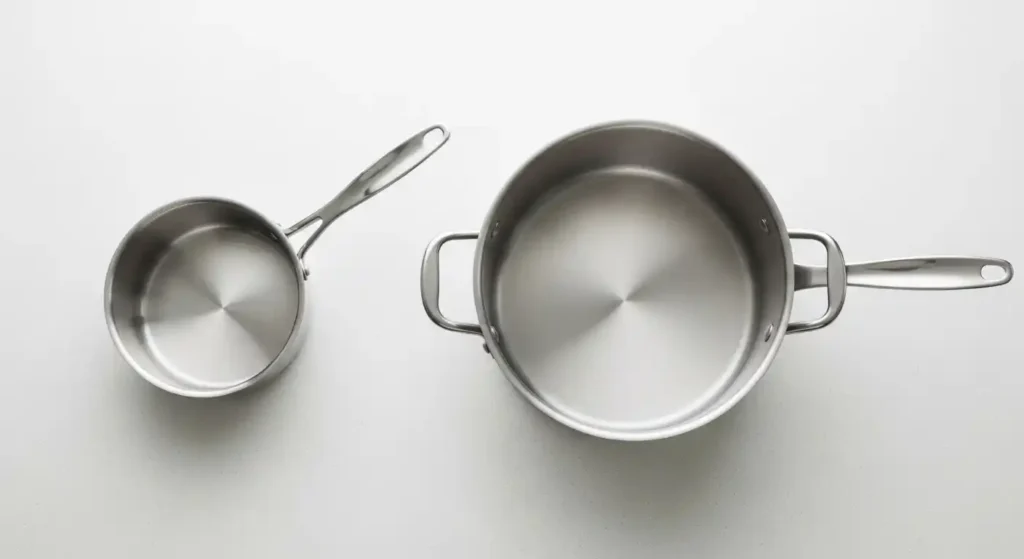
Not all saucepans are the same. They come in different materials and designs, each suited to specific cooking needs.
Stainless Steel Saucepan
- Durable and long-lasting
- Non-reactive with acidic foods
- Great for everyday cooking
Nonstick Saucepan
- Easy to clean
- Requires less oil
- Ideal for delicate foods like eggs or creamy dishes
Hard-Anodized Saucepan
- Excellent heat distribution
- Lightweight yet strong
- Often features a nonstick coating
Copper-Core Saucepan
- Superior heat conductivity
- Offers precise temperature control
- Usually more expensive
Choosing the right type depends on your cooking style and preferences.
Saucepan vs Pot: What’s the Difference?
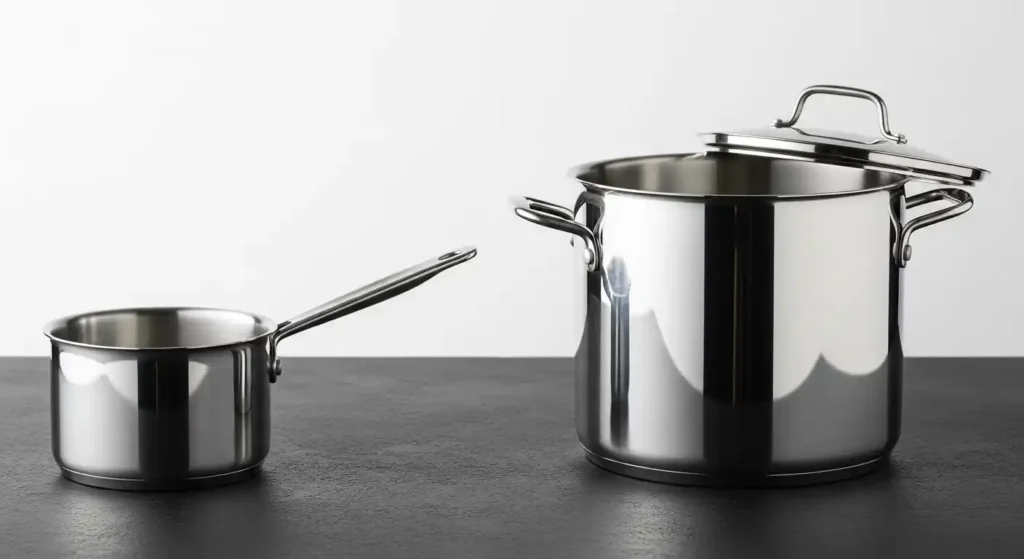
Many people confuse saucepans with pots, but they are not exactly the same.
Saucepan
- Smaller and more compact
- Long handle for easy movement
- Ideal for sauces and small portions
Pot
- Larger and deeper
- Two side handles
- Best for cooking large quantities
If you’re cooking for a small family or preparing everyday meals, a saucepan is often the more practical choice.
Saucepan vs Saucier
Another common comparison is between a saucepan and a saucier.
Saucepan
- Straight sides
- Better for holding liquids
- Ideal for boiling and simmering
Saucier
- Rounded sides
- Easier for stirring and whisking
- Better for smooth sauces and creamy dishes
While both are useful, a saucepan is more versatile for general cooking.
How to Choose the Right Saucepan
If you’re buying a saucepan, here are some factors to consider:
Size
- 1–2 quarts: Best for small portions or sauces
- 3–4 quarts: Ideal for everyday cooking
Material
Choose based on your cooking needs—stainless steel for durability, nonstick for easy cleaning, or aluminum for quick heating.
Handle Comfort
Look for a sturdy, heat-resistant handle that feels comfortable to hold.
Lid Quality
A well-fitting lid helps retain heat and moisture, improving cooking efficiency.
Benefits of Using a Saucepan
A saucepan is a must-have for many reasons:
Versatility
You can use it for boiling, simmering, reheating, and more.
Space-Saving
Its compact size makes it easy to store.
Easy to Use
The long handle provides control and convenience during cooking.
Efficient Cooking
The deep design helps reduce splashing and keeps heat contained.
Tips for Using a Saucepan
To get the best results from your saucepan, follow these simple tips:
Preheat Gradually
Avoid heating the pan too quickly to prevent damage or uneven cooking.
Use the Right Heat Level
Medium heat works best for most saucepan tasks.
Stir When Needed
For sauces and grains, occasional stirring prevents sticking.
Use Proper Utensils
Avoid metal utensils on nonstick surfaces to prevent scratches.
Common Mistakes to Avoid
Even with a simple tool like a saucepan, mistakes can happen.
Overfilling the Pan
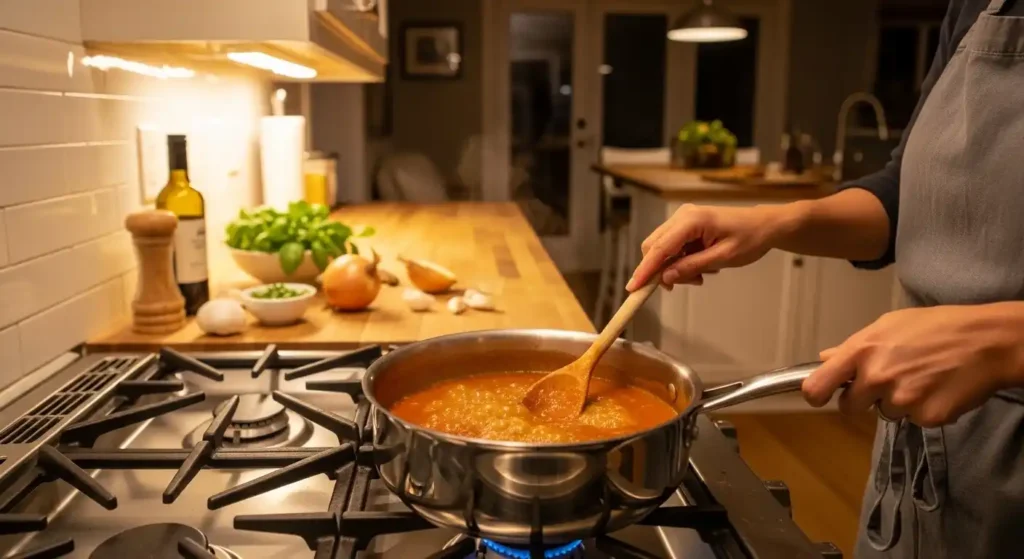
This can lead to spills, especially when boiling liquids.
Using High Heat
Excessive heat can burn food or damage the pan.
Ignoring Cleaning Instructions
Improper cleaning can reduce the lifespan of your cookware.
How to Clean and Maintain a Saucepan
Proper care ensures your saucepan lasts for years.
Cleaning Tips
- Use warm water and mild detergent
- Avoid abrasive scrubbers
- Soak stubborn stains before cleaning
Maintenance Tips
- Dry thoroughly after washing
- Store carefully to avoid scratches
- Avoid sudden temperature changes
With proper care, a good saucepan can last a long time.
Do You Really Need a Saucepan?
If you cook regularly, the answer is yes. A saucepan is one of the most essential tools in any kitchen.
Why It’s Essential
- Handles a wide range of cooking tasks
- Perfect for everyday meals
- Easy to use and maintain
Even if you have other cookware, a saucepan fills a unique role that’s hard to replace.
Final Thoughts
So, what is a saucepan? It’s a versatile, practical, and essential piece of cookware designed for handling liquids and everyday cooking tasks.
From boiling water to making sauces, a saucepan is a reliable tool that every home cook should have.
Its simple design, ease of use, and wide range of applications make it a true kitchen staple.
Whether you’re just starting your cooking journey or upgrading your kitchen tools, investing in a good saucepan is a decision you won’t regret.
With the right care and usage, it can serve you well for years and help you create delicious meals with ease.


