

Why an Indoor Herb Garden Improves Your Kitchen Air Quality

We spend a massive amount of time perfecting our kitchens. We pick out the most durable countertops, invest in energy-efficient appliances, and curate the perfect lighting.
Yet, one of the most critical components of a truly healthy kitchen is entirely invisible: the air we breathe.
When you think of air pollution, your mind probably drifts to smog-choked highways or industrial factories. However, indoor air quality is frequently worse than outdoor air.
Between cooking emissions, chemical cleaners, and poor ventilation, the kitchen often serves as the epicenter of household air pollution.
Fortunately, nature offers a beautiful, fragrant, and highly efficient solution. Bringing a slice of the outdoors inside by establishing a small countertop patch of greenery does more than keep fresh flavors at arm’s reach.
Let’s explore exactly why an indoor herb garden improves your kitchen air quality, how these tiny plants combat modern household pollutants, and how you can get started.
The Hidden Environmental Hazards Lurking in Your Kitchen
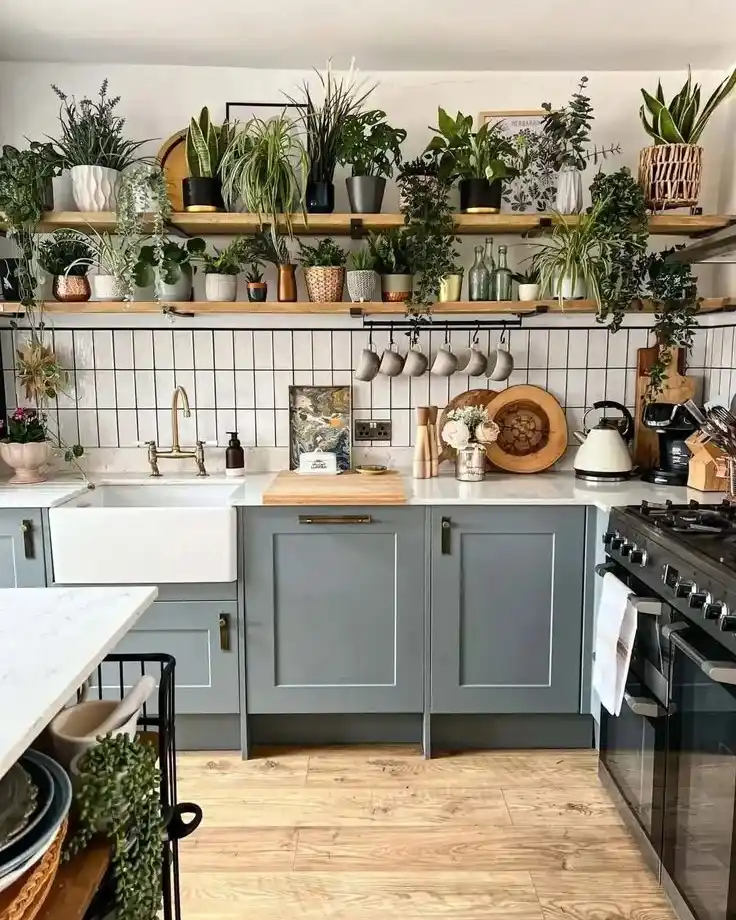
Before looking at how plants help clean the air, it helps to understand what they are actually fighting. The modern kitchen is a hotbed for a variety of microscopic airborne irritants.
Every time you turn on a stove, bake a dish, or wipe down a counter, you introduce complex compounds into your living space.
1. Cooking Effluents and Combustion Byproducts
Whether you cook with gas or electricity, heating food releases particulates into the air. Gas stoves are particularly notorious; they emit noticeable amounts of nitrogen dioxide ($NO_2$), carbon monoxide ($CO$), and formaldehyde.
Even the simple act of heating oils can release volatile compounds that linger long after the meal has been eaten.
2. Volatile Organic Compounds (VOCs)
VOCs are organic chemicals that have a high vapor pressure at ordinary room temperature. In the kitchen, they originate from a multitude of sources:
- Cleaning Supplies: Traditional dish soaps, surface sprays, and disinfectants.
- Cabinetry and Flooring: Finishes, glues, and particleboard that slowly release gas over several years.
- Trash Bins: Off-gassing from decomposing organic waste.
3. High Humidity and Mold Spores
Kitchens are inherently damp environments. Boiling water, washing dishes, and running water lines all contribute to elevated humidity levels.
If this moisture isn’t managed properly, it can encourage microscopic mold spores to colonize hidden corners behind appliances or under the sink.
How Indoor Herbs Work as Natural Air Purifiers
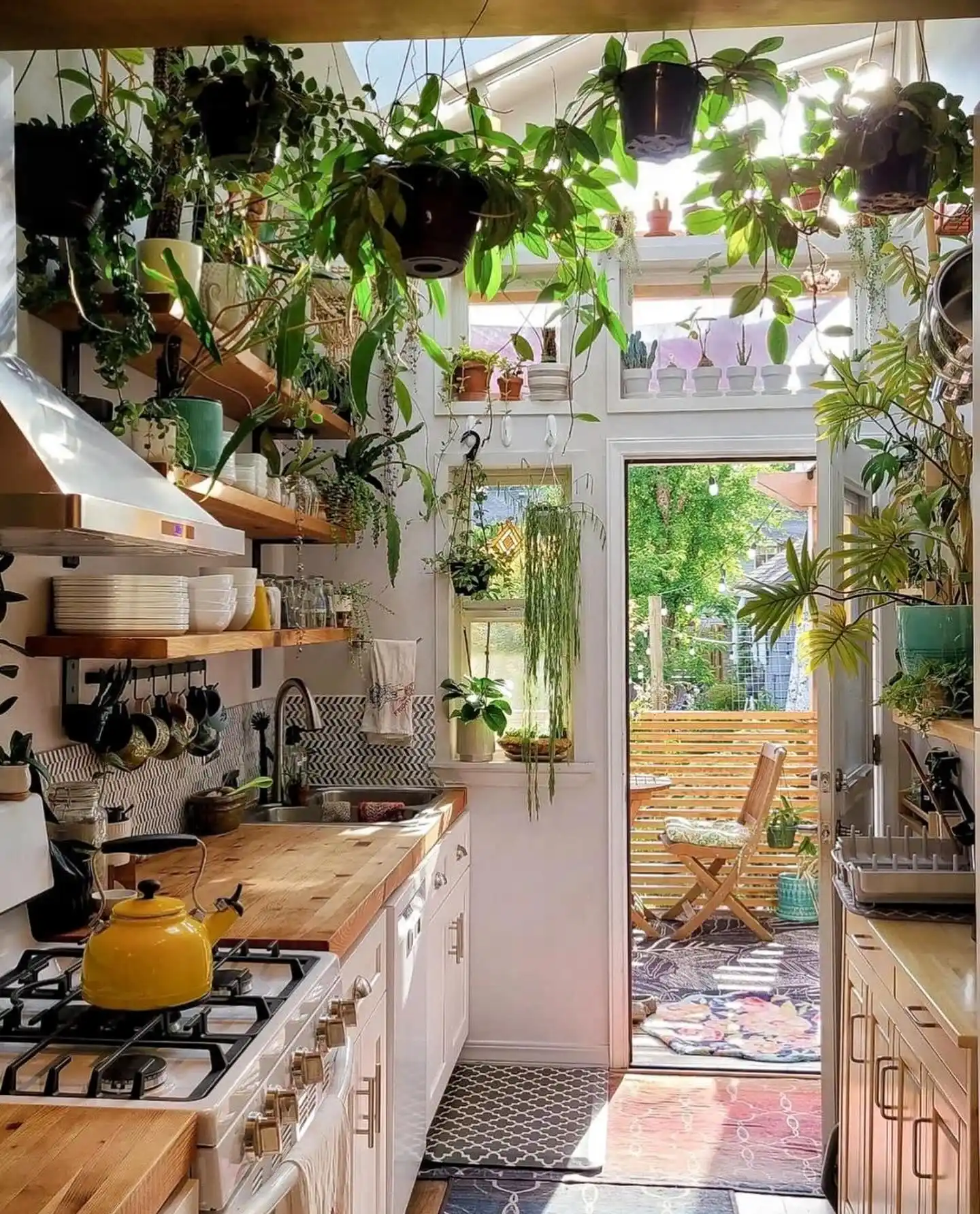
It sounds almost magical that a humble pot of basil can scrub the air clean, but the mechanics behind it are pure science. Plants are highly sophisticated living filters.
They interact with their environment through a series of natural biological processes that directly target indoor air pollutants.
The Power of Photosynthesis and Gas Exchange
At the most basic level, herbs breathe in what we breathe out. During photosynthesis, plants absorb carbon dioxide ($CO_2$) from the air and release fresh oxygen ($O_2$).
High levels of carbon dioxide in stagnant indoor spaces can cause headaches, drowsiness, and a general feeling of stuffiness.
By constantly exchanging gases, your herbs help keep the kitchen atmosphere feeling fresh and energized.
Phytoremediation: Nature’s Chemical Scrubbers
Phytoremediation refers to the use of plants to clean up contaminated environments. While it is often studied on a large scale for outdoor soil cleanup, the exact same principle applies to indoor air.
Plants don’t just absorb carbon dioxide through the tiny pores on their leaves, known as stomata. They also pull in airborne toxins like formaldehyde, benzene, and trichloroethylene.
Once these toxins enter the plant, they are broken down into harmless organic compounds or transported down to the root zone.
The Microscopic Heroes in the Soil
A significant portion of a plant’s air-purifying capability actually happens beneath the surface. The root system of an herb garden supports a rich ecosystem of beneficial microbes.
When a plant pulls air down toward its roots via transpiration, the soil microbes go to work.
These specialized microorganisms consume volatile organic chemicals, effectively neutralizing complex pollutants and turning them into nutrients that feed the plant.
It is a perfectly designed, zero-waste filtration loop.
Top Herbs to Boost Kitchen Air Quality
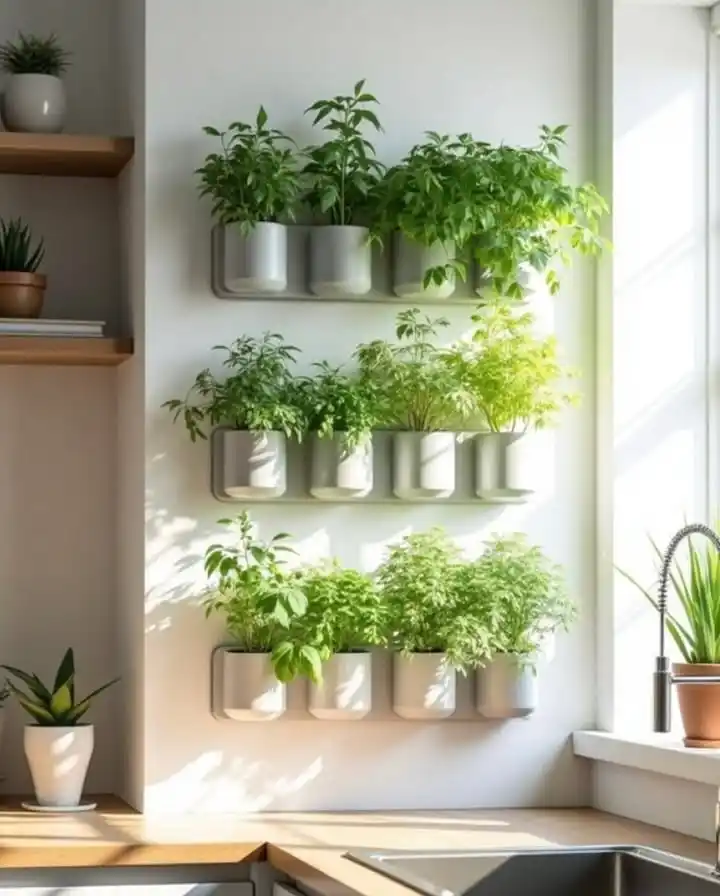
While almost any living plant will contribute to a healthier indoor environment, certain herbs are uniquely suited for the kitchen.
They combine robust growth habits, high transpiration rates, and strong air-scrubbing capabilities, all while doubling as culinary staples.
1. Mint (Mentha)
Mint is an absolute powerhouse. It grows rapidly, which means it has a high metabolic rate and processes a large volume of air relative to its size.
Mint is excellent at elevating indoor oxygen levels and possesses natural antimicrobial properties that can help discourage airborne bacteria. Plus, its invigorating scent acts as a natural room deodorizer.
2. Rosemary (Salvia rosmarinus)
With its dense, needle-like foliage, rosemary offers a surprising amount of surface area for gas exchange. Rosemary releases natural volatile oils containing compounds like eucalyptol.
These compounds have been shown to possess mild antibacterial and antifungal properties, helping to keep airborne mold spores in check around damp kitchen sinks.
3. Basil (Ocimum basilicum)
The undisputed king of kitchen herbs is also a fantastic air companion. Basil releases a generous amount of moisture into the dry indoor air through transpiration, acting as a gentle, localized humidifier.
This can prevent respiratory pathways from becoming irritated by dry air during the dry winter months.
4. Thyme (Thymus vulgaris)
Thyme contains thymol, a well-documented organic compound with strong antiseptic properties.
Having thyme growing on a sunny windowsill allows it to release subtle amounts of this compound into its immediate surroundings, providing a microscopic layer of defense against airborne pathogens.
Designing and Maintaining Your Kitchen Air-Clearing Garden
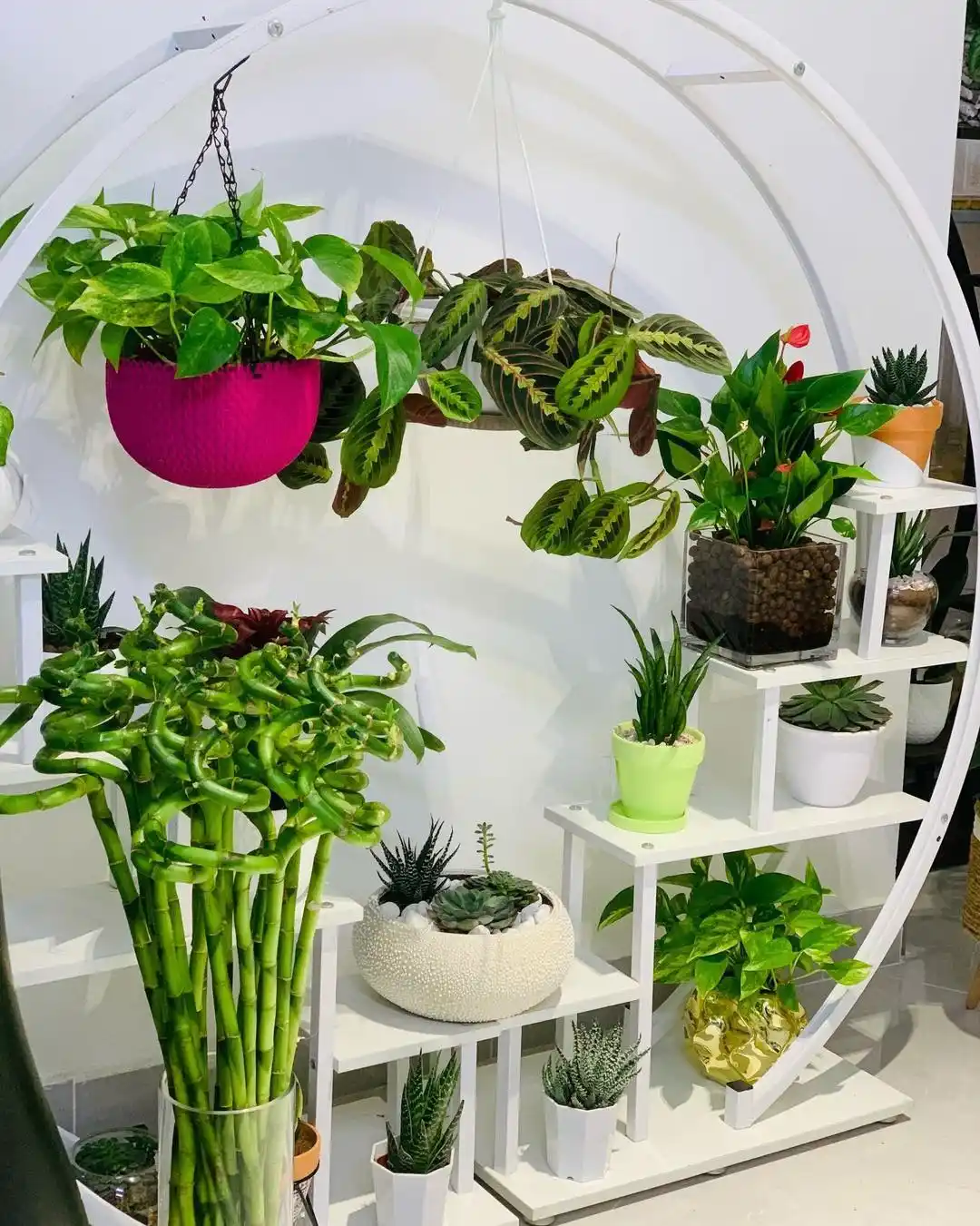
Setting up a functional kitchen herb garden doesn’t require a green thumb or an expensive greenhouse setup.
By focusing on a few foundational elements, you can create a self-sustaining system that purifies your air 24 hours a day.
Light: The Engine of Purification
For plants to clean your air efficiently, they need to be actively photosynthesizing, which requires adequate light.
- Natural Light: A south- or west-facing windowsill is ideal, providing at least six hours of bright sunlight daily.
- Artificial Light: If your kitchen lacks windows, don’t worry. Small, energy-efficient LED grow lights can easily fit under cabinets or on countertops, giving your herbs the exact light spectrum they need to thrive.
Ventilation and Airflow
To maximize the air-purifying benefits, place your herb garden in an area where air naturally circulates.
Avoid tucking pots into deep, dead corners where air is completely stagnant. Positioning them near the stove, sink, or main countertop ensures they are right in the path of the highest concentration of kitchen emissions.
Smart Watering Practices
While herbs transpire moisture to help balance indoor humidity, overwatering can have the opposite effect. Stagnant water sitting in a drainage tray can create a breeding ground for the very mold and fungus gnats you are trying to avoid.
Always use pots with proper drainage holes and let the top inch of soil dry out before watering again.
A Holistic Approach to Kitchen Wellness
An indoor herb garden is a highly effective tool, but it works best when integrated into a broader strategy for clean indoor living.
To get the absolute most out of your green additions, consider pairing them with these healthy kitchen habits:
- Source Control: Swap out harsh chemical cleaners for plant-based, scent-free alternatives to reduce the initial load of VOCs entering your air.
- Active Ventilation: Always turn on your range hood or open a window when cooking, especially when searing foods or using a gas range.
- Regular Maintenance: Keep your kitchen surfaces dry and clean out your organic waste bins frequently to prevent mold and bacterial blooms.
Conclusion
Bringing an indoor herb garden into your kitchen bridges the gap between functional design and natural wellness.
As these plants sit quietly on your counter, they work tirelessly behind the scenes—filtering out harmful cooking byproducts, neutralizing harsh cleaning chemicals, and pumping fresh oxygen into your home.
The fact that they also provide a steady supply of vibrant, chemical-free flavors for your daily meals is simply a beautiful bonus.
By understanding why an indoor herb garden improves your kitchen air quality, you can transform your cooking space into a healthier, cleaner, and more vibrant sanctuary for your entire family.


