

Is Stainless Steel Cookware Safe: Quick Guide

Stainless steel cookware is tough, shiny, and almost fearlessly versatile. But is it actually safe to cook with? Short answer: yes, in most cases.
The longer answer: it depends on what you cook, how you care for it, and what you’re trying to achieve in the kitchen.
Let’s break it down so you can decide if it belongs in your kitchen lineup.
What stainless steel actually is (and isn’t)
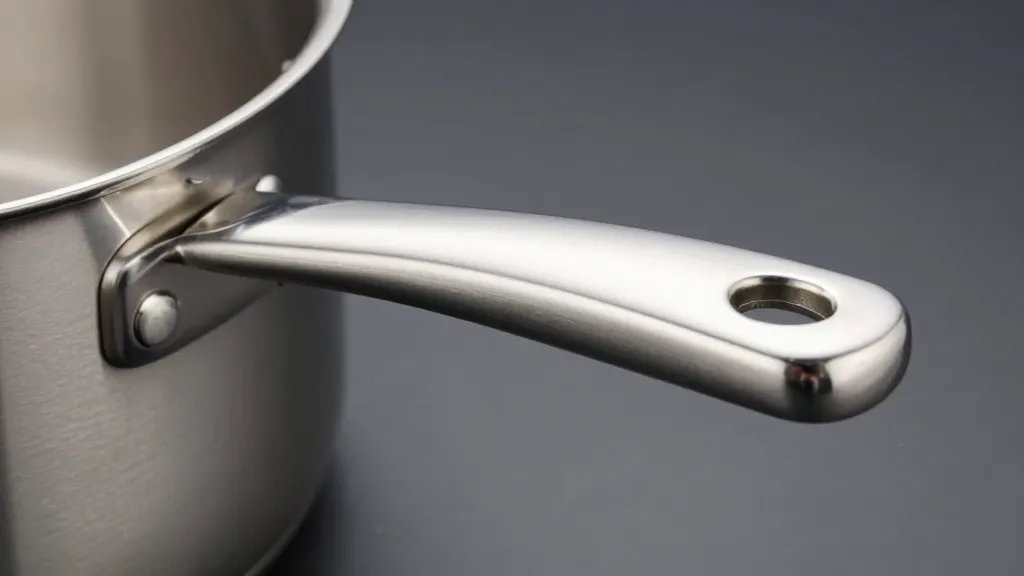
Stainless steel is an alloy—mostly iron, with chromium and sometimes nickel, molybdenum, or other metals—that resists staining and corrosion. That resilience is why it looks good on day one and holds up for years.
It isn’t nonstick by default, though, so you won’t get the same slick release as with nonstick pans. If you want a slick surface, you’ll still need to add oil or use proper heat, but you won’t have to worry about toxic coatings flaking off.
Safety basics are simple: stainless steel itself is non-toxic for cooking, and it won’t leech harmful stuff into your food under normal use.
The bigger concerns come from poor manufacturing quality, the presence (or absence) of protective coatings, and how you cook with it.
FYI, the pan’s seal and hardware matter too—cheap rivets can corrode and contaminate, which is less cute in the long run.
Is it safe for everyday cooking?
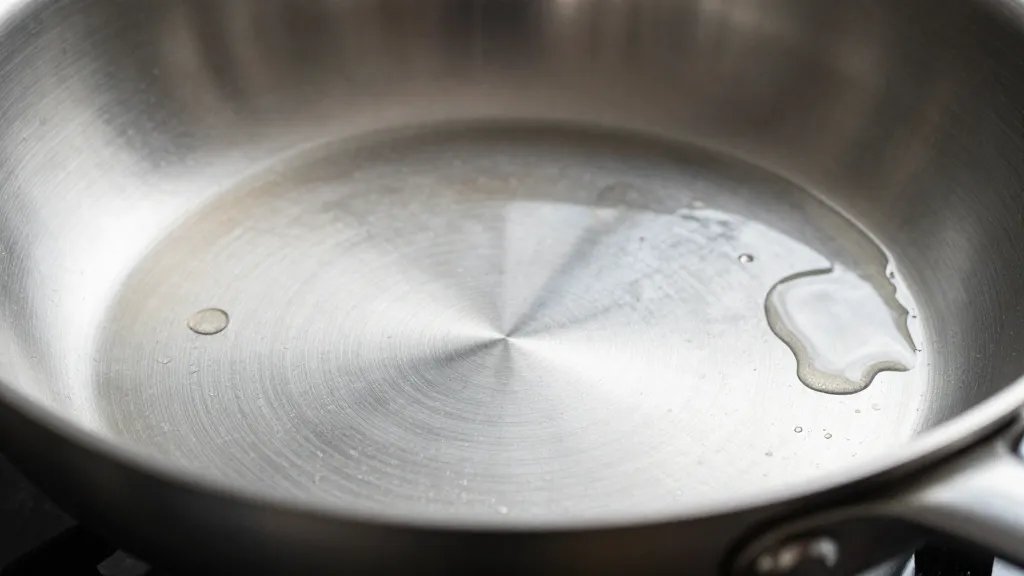
Yes, generally. Stainless steel thrives on high-heat searing, deglazing, and long simmering. It’s nonreactive, which means it won’t chemically react with acidic foods like tomatoes or citrus the way some inexpensive aluminum pans can.
That’s a win if you cook a lot of sauces, braises, or anything with a splash of lemon.
But there are caveats. Stainless steel can trap heat and cause hotspots if your pan is warped or poorly constructed.
If you’re constantly scorching butter or burning sugar, you might want to rethink your heat management or consider a different skillet for those jobs. Still, for most everyday meals, it’s a reliable, safe choice.
What the “3-ply, 5-ply” hype actually means for safety
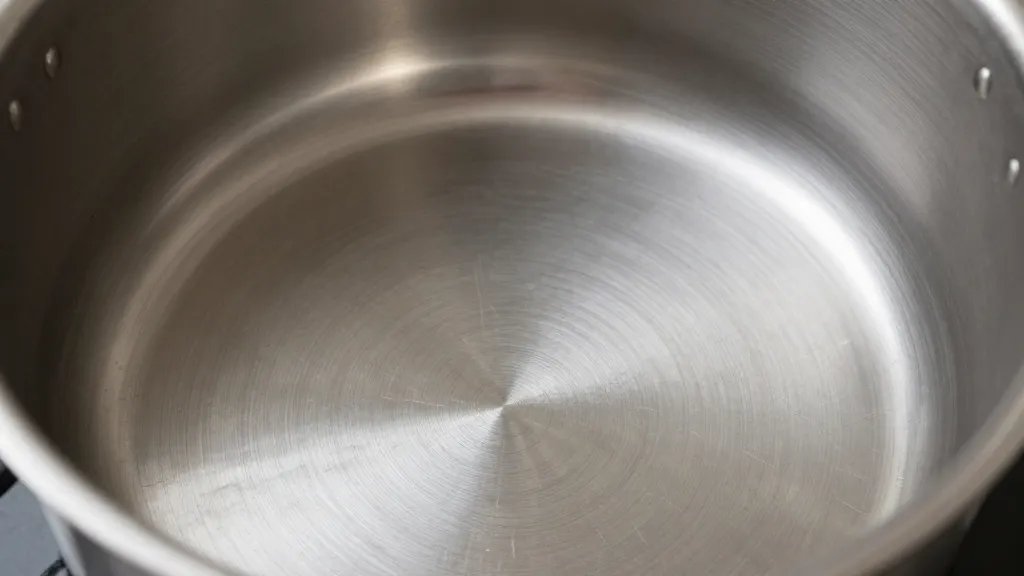
If you’ve browsed high-end stainless sets, you’ve seen all sorts of numbers: 3-ply, 5-ply, and so on. What matters for safety isn’t the number itself, but how the pan performs and what it’s made of.
- Core material: A newer, thicker core (usually aluminum or copper) improves heat distribution. It keeps hot spots at bay and reduces the risk of uneven cooking—great for safety because you’re less likely to burn or scorch foods.
- Exterior finish: Some finishes can wear or peel if damaged. Stick to reputable brands and avoid pans with obvious warps or loose handles.
- Bonding: The bonding is what keeps the layers together. Poor bonding can lead to delamination over time, which isn’t dangerous in itself but is a sign you should replace the pan before it fails completely.
Deeper dive: weights and how that affects safety
Lighter pans can warp more easily, which might lead to uneven heating. Heavier, well-made pans tend to stay true and give you steadier temperatures.
For safety, that matters because you want predictable cooking conditions, not a mystery heat curve every time you flip your pancake.
Is there any risk of metals leaching into food?
In short: minimal to none with normal use. Chromium and nickel are part of stainless steel’s protective layer, but you’d need extreme conditions to cause any transfer.
Typical cooking temperatures and a reasonable amount of time won’t dump metals into your sauce.
If you’re nickel-sensitive, you might notice some reaction with certain cookware, but the vast majority of stainless steel is considered safe for people with sensitivities.
If you’re extra cautious, you can look for brands that advertise low-nickel or 304/316 stainless steel variants and avoid coatings that could chip.
Care and maintenance: how to keep it safe and pristine
Taking care of stainless steel is where the safety story gets interesting. Clean, well-maintained pans stay non-reactive and perform better.
- Seasoning isn’t required for stainless steel, but a quick wipe with oil after washing can help with sticking. This isn’t a processed coating—just a light film to reduce food adherence.
- Avoid harsh cleaners that could scratch the surface. Use mild dish soap and a soft sponge. For stubborn stains, a paste of baking soda and water works wonders.
- Prevent warping by heating gradually and avoiding sudden temperature changes. If your pan has a warped bottom, you’ll notice uneven searing and that’s not great for safety or taste.
- Dishwasher safety varies by model. Most stainless steel handles can handle dishwasher cycles, but some finishes may degrade over time. Hand washing is a safe bet if you’re unsure.
How to avoid sticking and still stay safe
– Preheat properly: give the pan a minute or two on medium heat, then add oil.
– Use enough oil for low to medium-high heat cooking.
– Don’t stack or overload the pan with food; give it room to breathe and heat evenly.
Sticking isn’t a safety issue, but it does raise the risk you’ll crank up the heat and burn something, which then creates smoke and off flavors. Not ideal.
Different stainless steel grades: does it matter for safety?
Yes, it matters, but not in a scary way. The most common safe grades are 304 and 316 stainless steel. They’re highly resistant to corrosion and safe for cooking. 316 has better resistance to chloride-rich environments (salty foods, coastal kitchens), while 304 covers most home cooking scenarios just fine.
If you see a pan labeled “18/8” or “18/10,” that refers to the chromium/nickel content. Higher numbers generally mean a bit more corrosion resistance and a nicer finish. Not a safety deal-breaker, just a durability and performance angle.
Special cases: nonstick coatings vs. stainless
If you’re tempted to pair stainless with a nonstick coating for easy release, you’re not alone. Nonstick coatings are typically PTFE-based or ceramic.
They’re safe at household cooking temperatures, but you can’t go crazy with heat. Overheating can release fumes and degrade the coating, which is a different safety concern.
Stainless steel, by contrast, gives you durability and no coating to worry about. If you want effortless release, you’ll want to season the pan or use proper technique rather than rely on a coating that might deteriorate over time.
IMO, for many cooks, the trade-off is worth it.
Bottom line: should you buy stainless steel?
If you want a versatile, durable, and safe workhorse, yes. It handles searing, deglazing, boiling, and braising with aplomb.
It’s not the best for sticky foods unless you’ve got a good technique or a built-in layer of heat-conductive core.
But with proper care, you’ll get years of reliable performance without worrying about harmful chemicals or leaching.
A few quick pick-me-up tips:
– Look for multi-ply or at least a thick base for even heating.
– Choose reputable brands with good warranty and support.
– Use the right metal utensils to avoid scratching. Plastic or silicone is fine, but metal can also be okay with care.
– Invest in a couple of essential pieces (a large skillet, a saucepan, and a stock pot) rather than an entire rainbow of pans.
Conclusion
Conclusion
Stainless steel cookware is of the safe, dependable variety, provided you choose quality, use it correctly, and maintain it well.
It won’t give you the nonstick vibe, but it will deliver robust performance and a kitchen workhorse that you can rely on for years.
If you crave low-fuss meals and minimal worry about toxins, this is a solid bet.
FYI, once you get the hang of proper heating and oiling, you’ll wonder why you ever reached for anything else.
FAQ
Is stainless steel cookware safe for acidic foods?
Yes. Stainless steel is nonreactive with acidic foods, so dishes like tomato sauces won’t pick up metallic flavors. It’s a good match for a wide range of recipes.
Can stainless steel leach metals into food?
Under normal home cooking conditions, the risk is extremely low. Chromium and nickel are bound in the alloy, and the food won’t pick up metals unless you severely overheat or damage the pan.
Do I need to season stainless steel pans?
No major seasoning is required. You can rub a tiny amount of oil on the surface after washing to help with sticking, but it’s not the same as seasoning cast iron.
What should I do if food sticks to my stainless steel pan?
Let the pan heat up, add a little oil, and deglaze with wine or stock after you sear. It’s normal at first—stickiness fades as you get the hang of proper preheating and cooking temps.
Are all stainless steel pans dishwasher safe?
Most are, but finishes and hardware vary. If in doubt, hand wash and dry promptly to preserve the surface and hardware.


