

How To Label Kitchen Canisters Properly

Learning how to label kitchen canisters properly transforms a cluttered, confusing counter into a clean, functional space where every ingredient is easy to find.
There is something deeply satisfying about a well organized kitchen. Rows of matching canisters sitting neatly on a counter or shelf signal that someone takes their kitchen seriously.
But a canister without a label is just a guessing game. Is that flour or powdered sugar? Cornstarch or baking soda? Getting it wrong mid recipe can ruin an entire batch of food.
Labeling kitchen canisters properly solves that problem completely. It saves time, reduces waste, and makes cooking feel effortless.
A labeled kitchen also looks intentional and put together. Guests notice it. More importantly, you benefit from it every single day.
This guide walks you through everything you need to know to label your canisters the right way, from choosing the best method to maintaining labels long term.
Why Labeling Kitchen Canisters Properly Matters More Than You Think
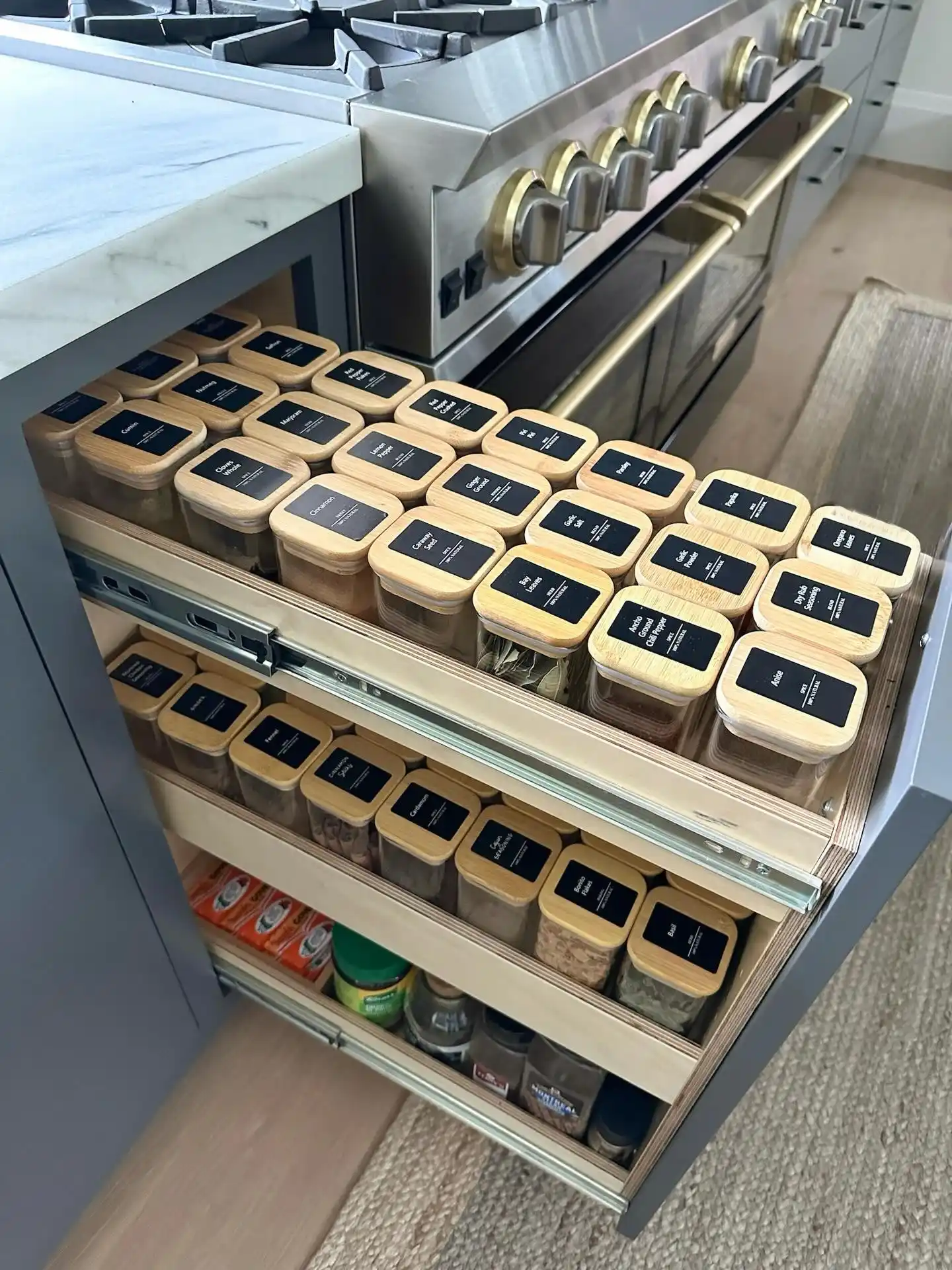
Most home cooks underestimate how much unlabeled containers slow them down. Opening and sniffing jars.
Tasting powders to figure out what they are.
Holding containers up to the light hoping to recognize the contents.
All of that wastes time and creates unnecessary stress in the kitchen.
Properly labeled canisters remove all of that friction.
Everything becomes instantly identifiable.
Cooking moves faster and more confidently.
Families with children especially benefit, since kids can find ingredients and help in the kitchen without constantly asking questions.
A labeled kitchen is a functional kitchen, plain and simple.
Choose the Right Canister Style Before You Label
Labels work best when the canister surface suits them well. Glass, ceramic, and metal canisters all hold labels differently.
Smooth surfaces accept adhesive labels and chalk labels most reliably. Textured or porous surfaces work better with tied tags or engraved solutions.
Clear glass canisters are a popular choice because the contents remain visible even with a label.
Ceramic canisters with a smooth glaze hold chalk marker writing well. Metal tins suit printed kraft paper labels tied with twine.
Matching your label method to your canister material makes a big difference in how clean and lasting the result looks.
Pick a Labeling Method That Fits Your Kitchen Style
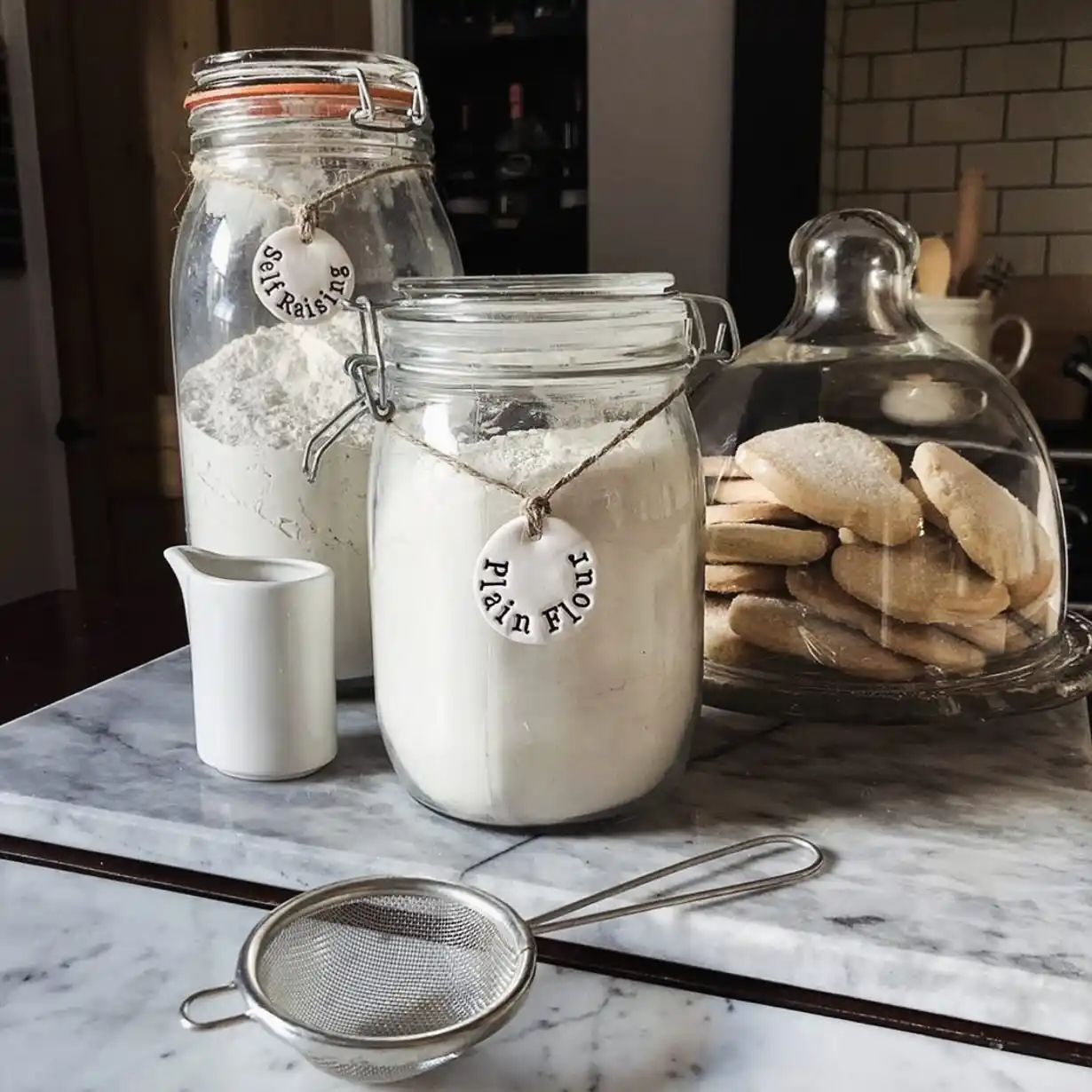
Several labeling methods exist, and each one suits a different kitchen aesthetic.
Knowing how to label kitchen canisters properly starts with choosing the right method for your specific setup.
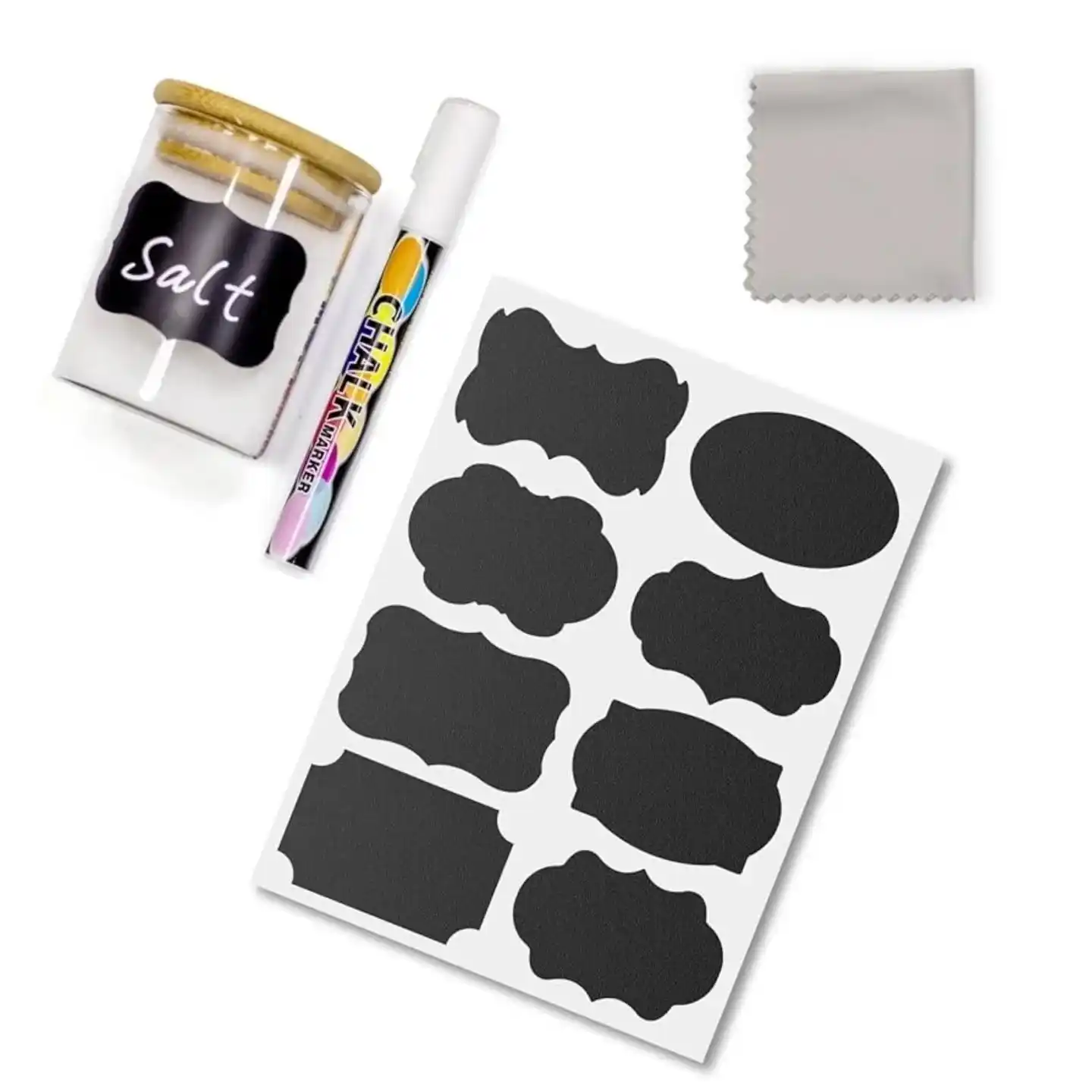
Chalk labels are removable, reusable, and easy to update.
They suit farmhouse and grandmacore kitchen styles beautifully.
Write directly on chalkboard label stickers using a chalk marker for clean, readable results.
Printed labels offer a more polished, uniform look.
Use a label maker or print custom designs at home on kraft or white sticker paper. Hand lettered labels add a personal, artisan feel.
A fine tip oil based paint pen works well on glass and ceramic surfaces. Tied tag labels suit rustic or cottagecore kitchens.
Write on small kraft tags and tie them around canister necks with jute twine.
What Information to Include on Each Label
A good canister label does more than just name the ingredient. Adding a few extra details makes the kitchen run even more smoothly.
At minimum, every label should include the name of the ingredient written clearly and large enough to read at a glance.
Consider adding the date of storage, especially for items that go stale quickly like flour, oats, or ground spices.
Some home cooks also add the expiry date from the original packaging.
For households with multiple cooks or family members, adding a short usage note can be helpful too.
Small details like these turn a basic label into a genuinely useful kitchen tool.
How to Apply Labels So They Actually Stay
Even the most beautiful label is useless if it peels off after a week.
Surface preparation is the most important step most people skip.
Always clean and fully dry the canister surface before applying any adhesive label.
Oil, dust, or moisture will prevent proper adhesion.
Press adhesive labels down firmly from the center outward to remove air bubbles.
For glass canisters, a credit card or flat edge helps smooth the label completely flat.
Avoid placing labels near areas that regularly get wet or are handled constantly, such as the bottom edge of a canister lid.
Positioning labels on the front face at eye level makes them easiest to read during cooking.
Organize Your Canisters by Category After Labeling
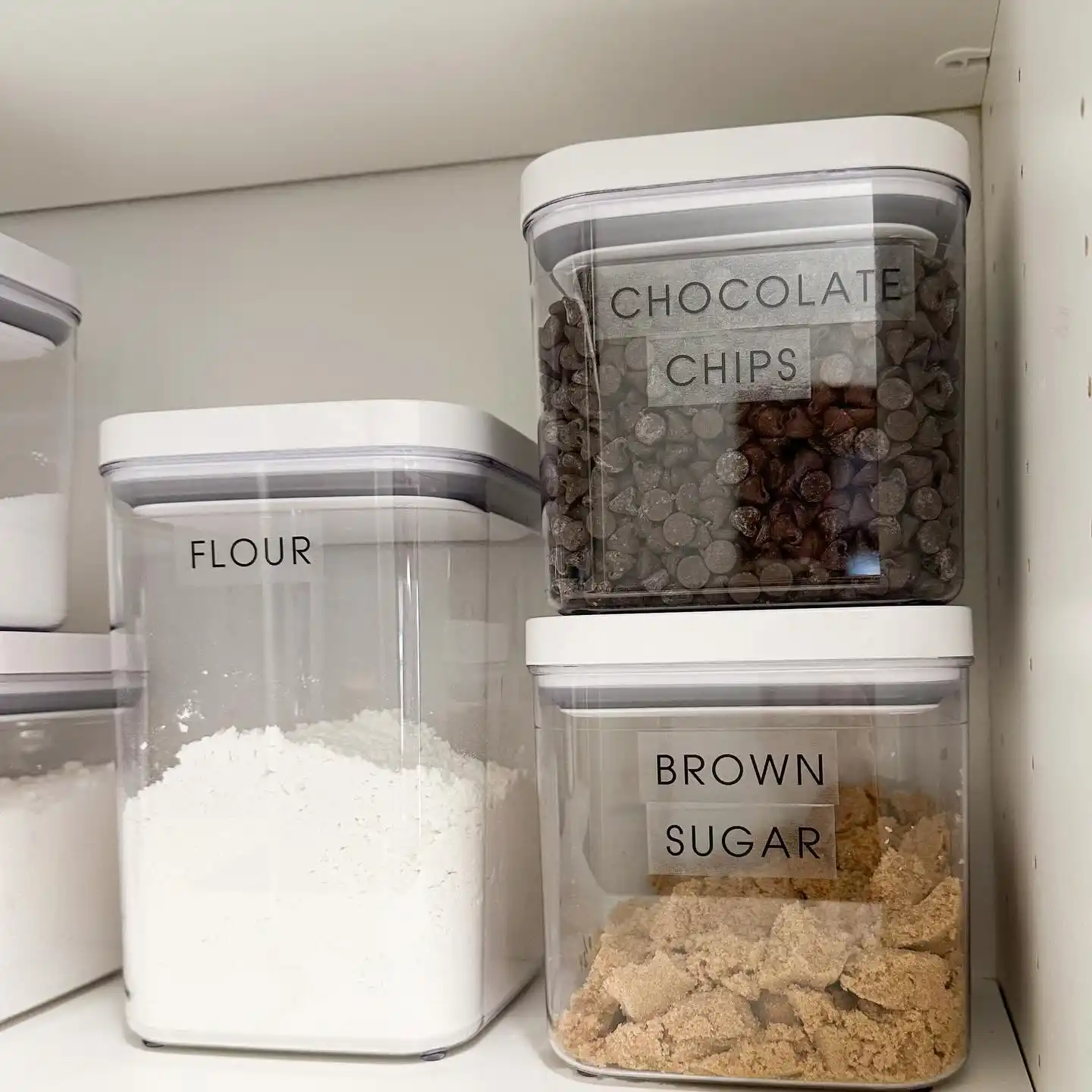
Labeling works best when combined with a logical organization system.
Grouping canisters by category helps you find ingredients faster and keeps the kitchen looking intentional.
Baking staples like flour, sugar, baking powder, and cornstarch belong together near the mixing area.
Grains and dried goods like rice, oats, lentils, and pasta suit a separate grouping near the stove or prep area.
Spice jars and herb canisters work best stored close to the cooking zone where they get used most frequently.
Organizing by use rather than alphabetically keeps the most reached for items always within easy reach.
Keep Labels Updated and Consistent Over Time
Labels lose their value fast when they become outdated or inconsistent.
Updating labels regularly is just as important as applying them correctly in the first place.
Any time a canister gets refilled with a different ingredient, the label must change immediately.
Chalk labels make this easy since they wipe clean with a damp cloth and can be rewritten in seconds. Printed labels require a fresh sticker each time.
Building a small label station in a kitchen drawer, stocked with your chosen label materials and a good pen, makes updating labels a quick and effortless habit rather than a chore.
Make Labels Part of Your Kitchen Aesthetic
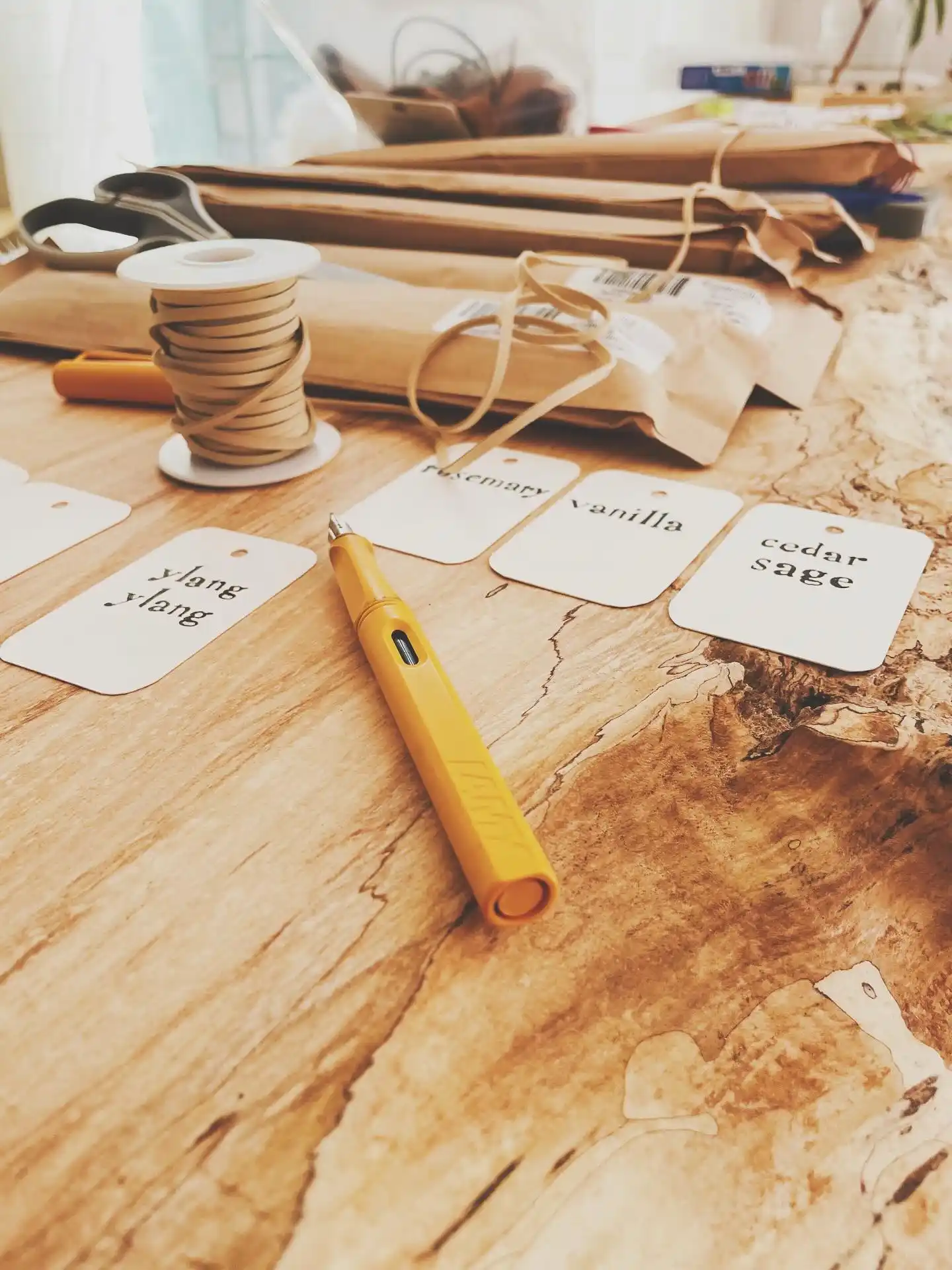
Functional does not have to mean boring. Well designed labels contribute to the overall look and feel of a kitchen.
Choosing a consistent font, color palette, and label shape across all canisters creates a cohesive, styled appearance that elevates even the simplest kitchen setup.
Grandmacore and cottagecore kitchens suit handwritten labels on aged kraft paper or chalkboard stickers.
Modern minimalist kitchens look sharp with clean printed black text on white labels.
Farmhouse kitchens pair beautifully with labels tied on with natural twine and written in simple block letters.
Let your kitchen style guide your label design choices and the result will feel both practical and beautiful.


